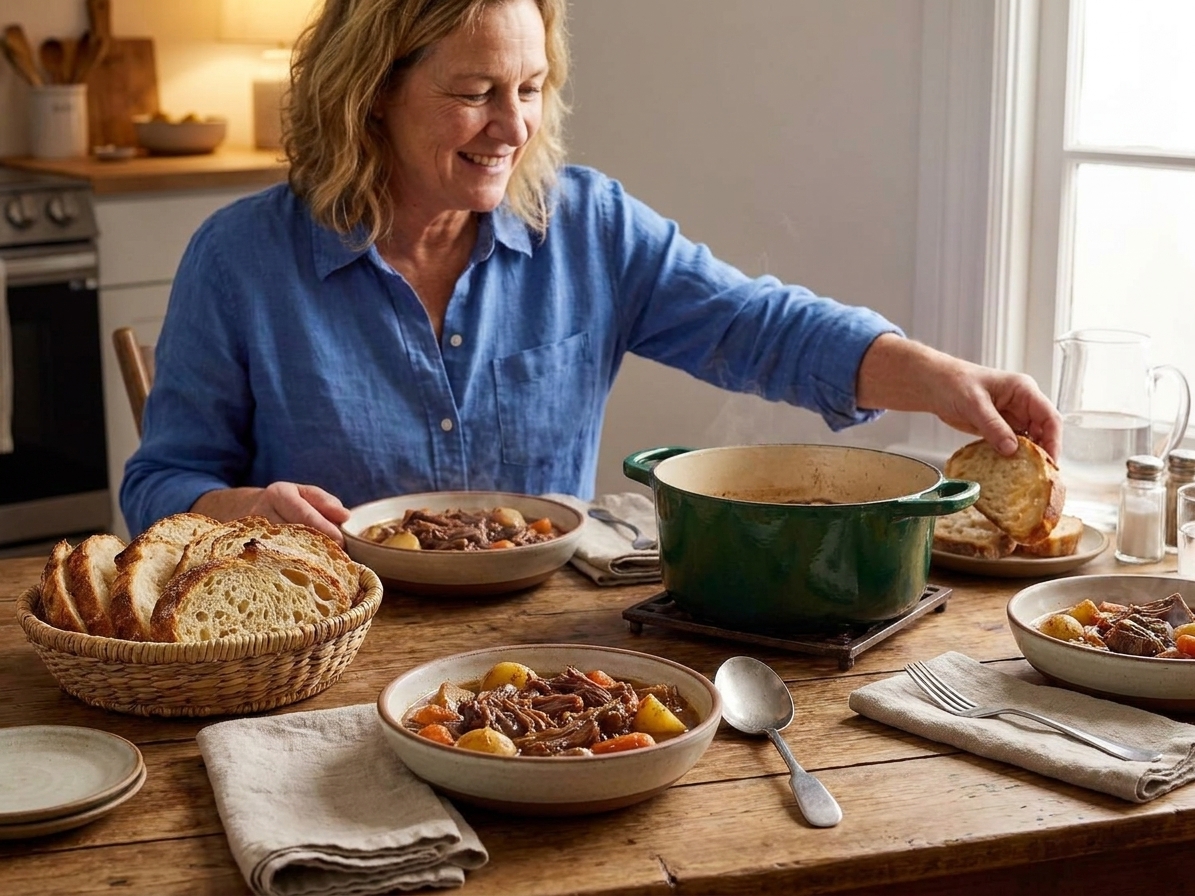
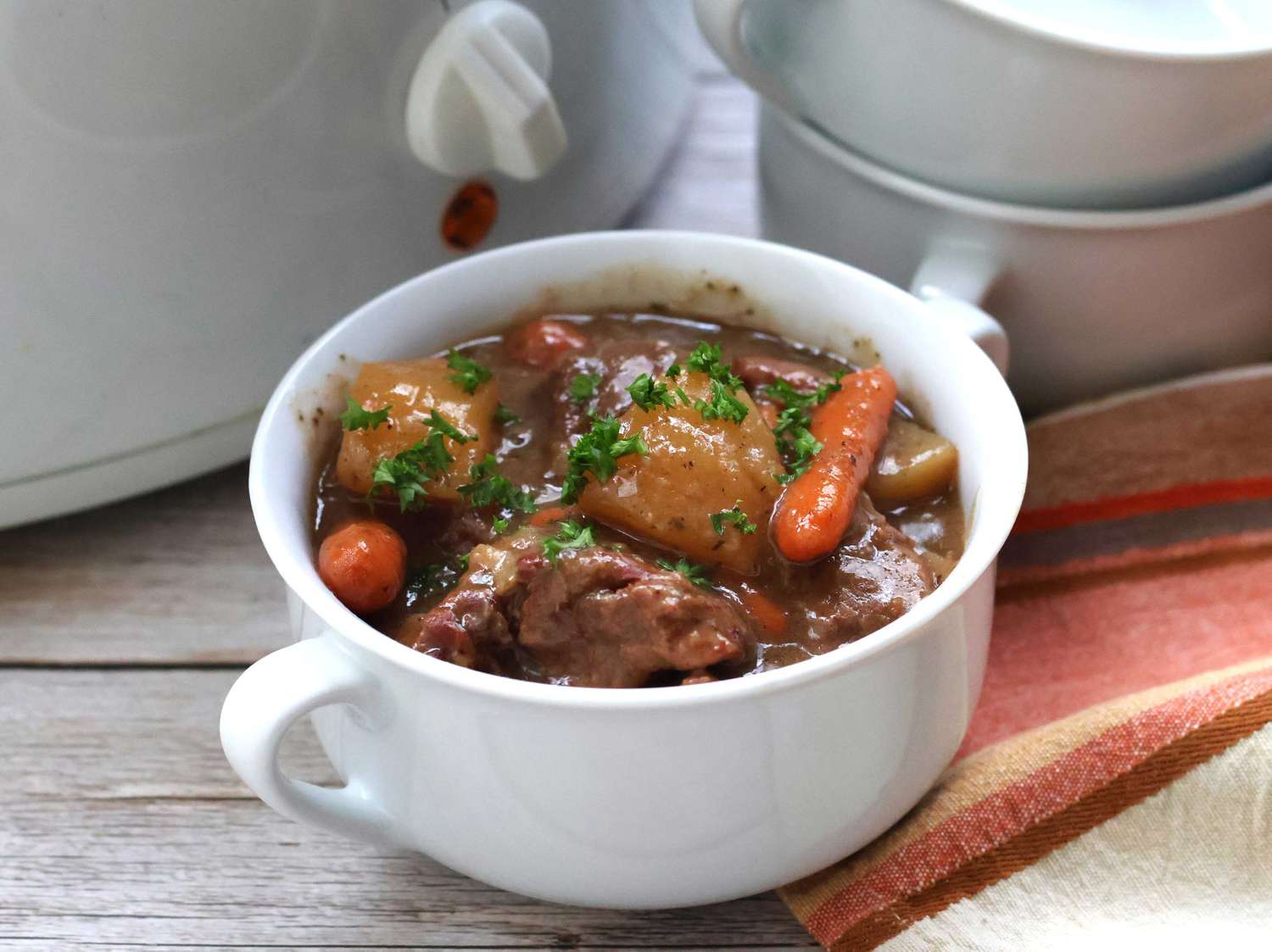
If you have ever stared at a pile of stew meat at 4:45 PM and thought, “Do I really have to brown this first?”, you are in very good company. Browning meat before slow cooking can make a noticeable difference, but it is not a hard rule for every recipe or every day.
Let’s break down what searing actually does, when it is worth the extra pan, and when you can absolutely toss everything in the crockpot and move on with your life.
What browning does
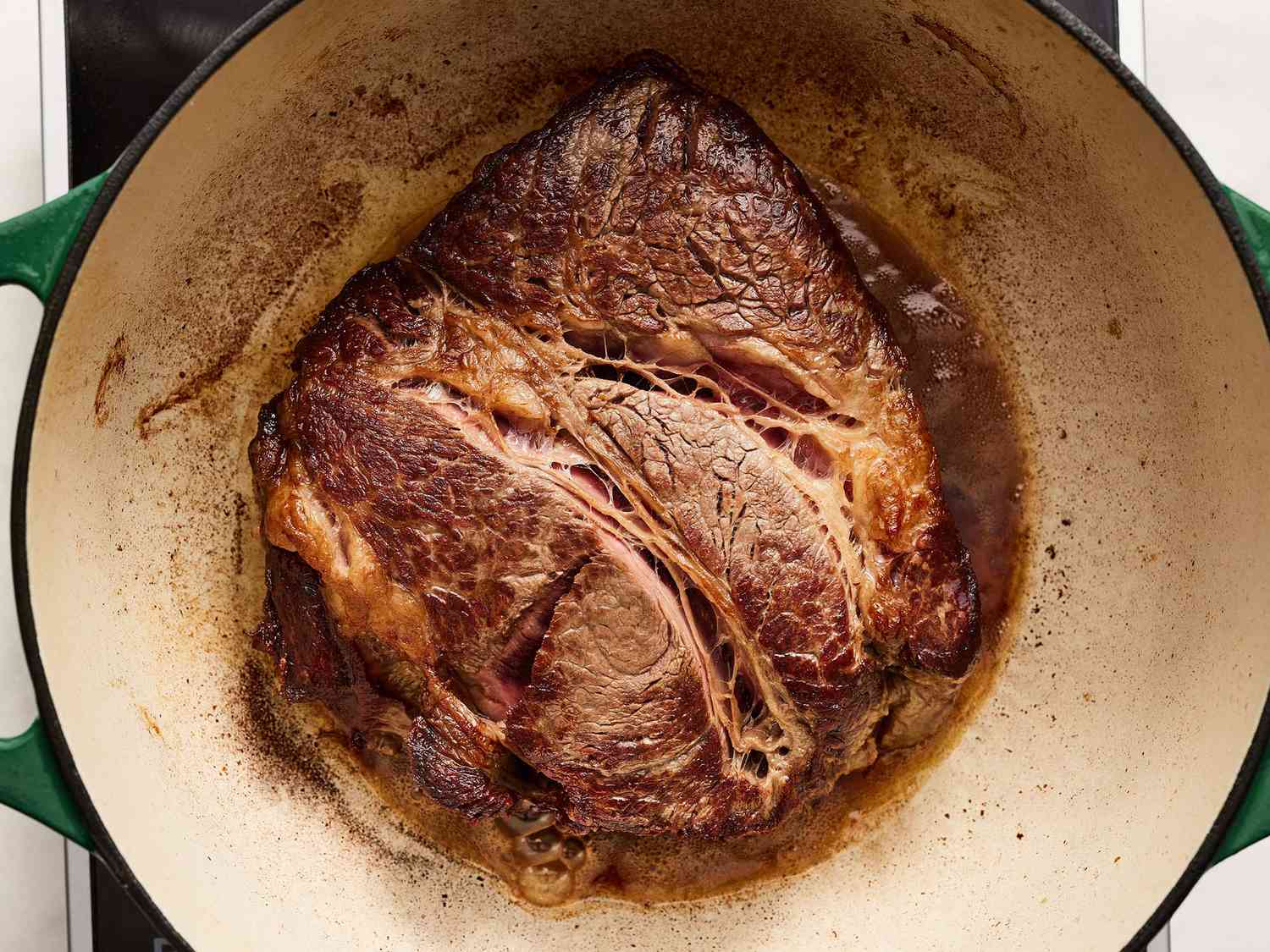
When you sear meat in a hot pan, you trigger the Maillard reaction. That is the browning process that creates lots of new flavor compounds on the surface of the meat. It is the difference between “boiled beef” vibes and that rich, roasty, savory depth we want in pot roast, stew, and shredded beef.
Two important notes:
- Browning is about flavor, not safety. The slow cooker can cook meat to a safe temperature without searing, as long as you use it properly.
- Browning mostly affects the outside. The interior still becomes tender through low, slow cooking and collagen breakdown.
Pros of browning first
1) Deeper flavor
This is the biggest payoff. A quick sear gives your finished sauce or broth a more complex, “Sunday dinner” taste, even if you cooked on Low all day.
2) Better color
Unbrowned meat can look a little gray-brown in the crockpot. Searing adds that appetizing caramel color that makes pot roast and beef tips look as good as they smell.
3) A firmer exterior
Slow cookers are built for moist-heat cooking. Searing can help the exterior hold up a bit better, especially on roasts and larger cuts.
4) More flavor in the sauce
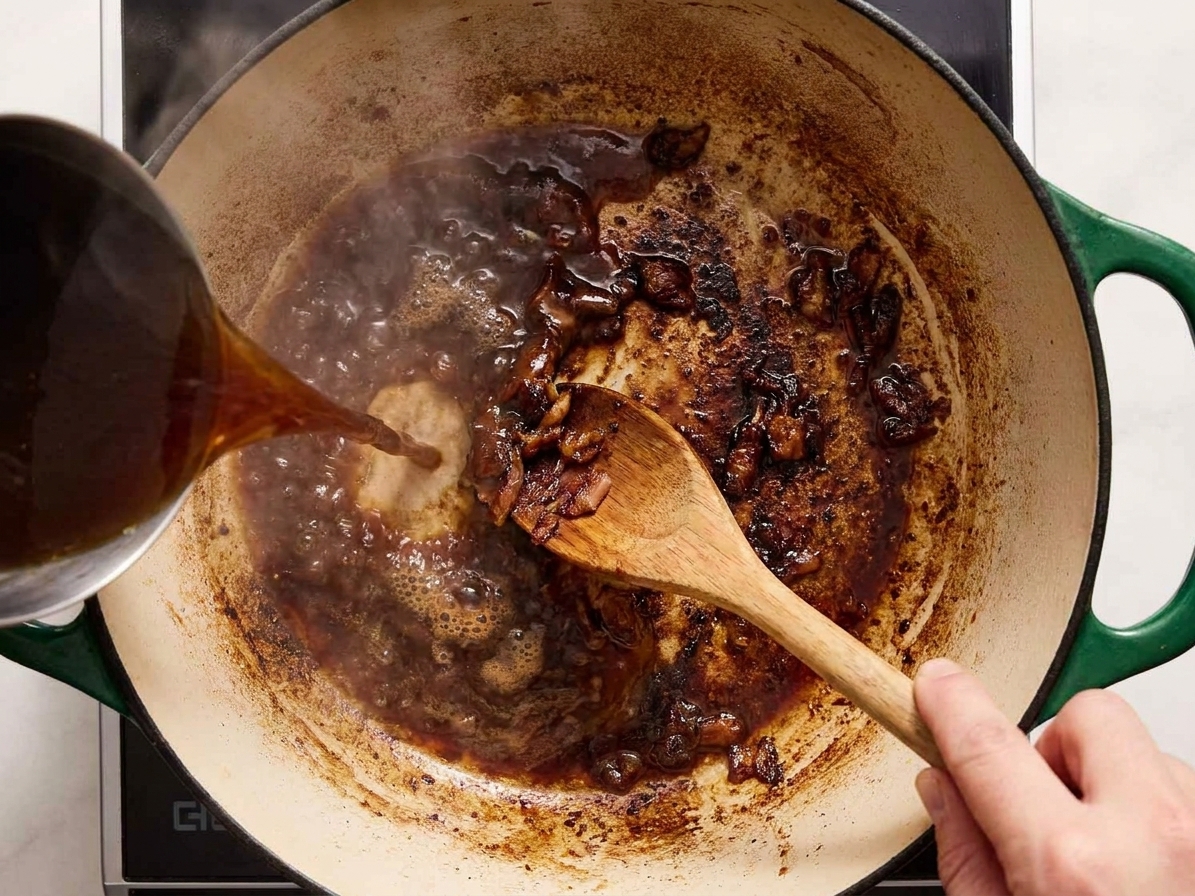
Those browned bits on the pan (the fond) are pure gold. If you deglaze with broth, wine, or even water and scrape them up, you are basically making an instant flavor concentrate to pour into your crock.
Cons of browning first
1) It takes time and mental bandwidth
On paper, browning takes 5 to 10 minutes. In real life, it can mean finding the right pan, heating it, working in batches, and cleaning up splatters. On a hectic weeknight, that is a real cost.
2) It adds dishes
One more pan, one more spatula, one more thing to wash when you would rather be helping with homework or packing lunches.
3) It is easy to do it halfway
If the pan is not hot enough or you overcrowd it, the meat steams instead of browns. You still did the extra work, but the flavor payoff is smaller.
4) You can overdo it
A quick sear will not dry out the whole piece of meat, but you can overcook the outside if you go too long or too hot. Lean cuts like pork loin and chicken breast are less forgiving overall, and they are more likely to taste dry if anything is overcooked.
When browning is worth it
If I had to pick the best “bang for your buck” situations, these are the ones.
Big roasts
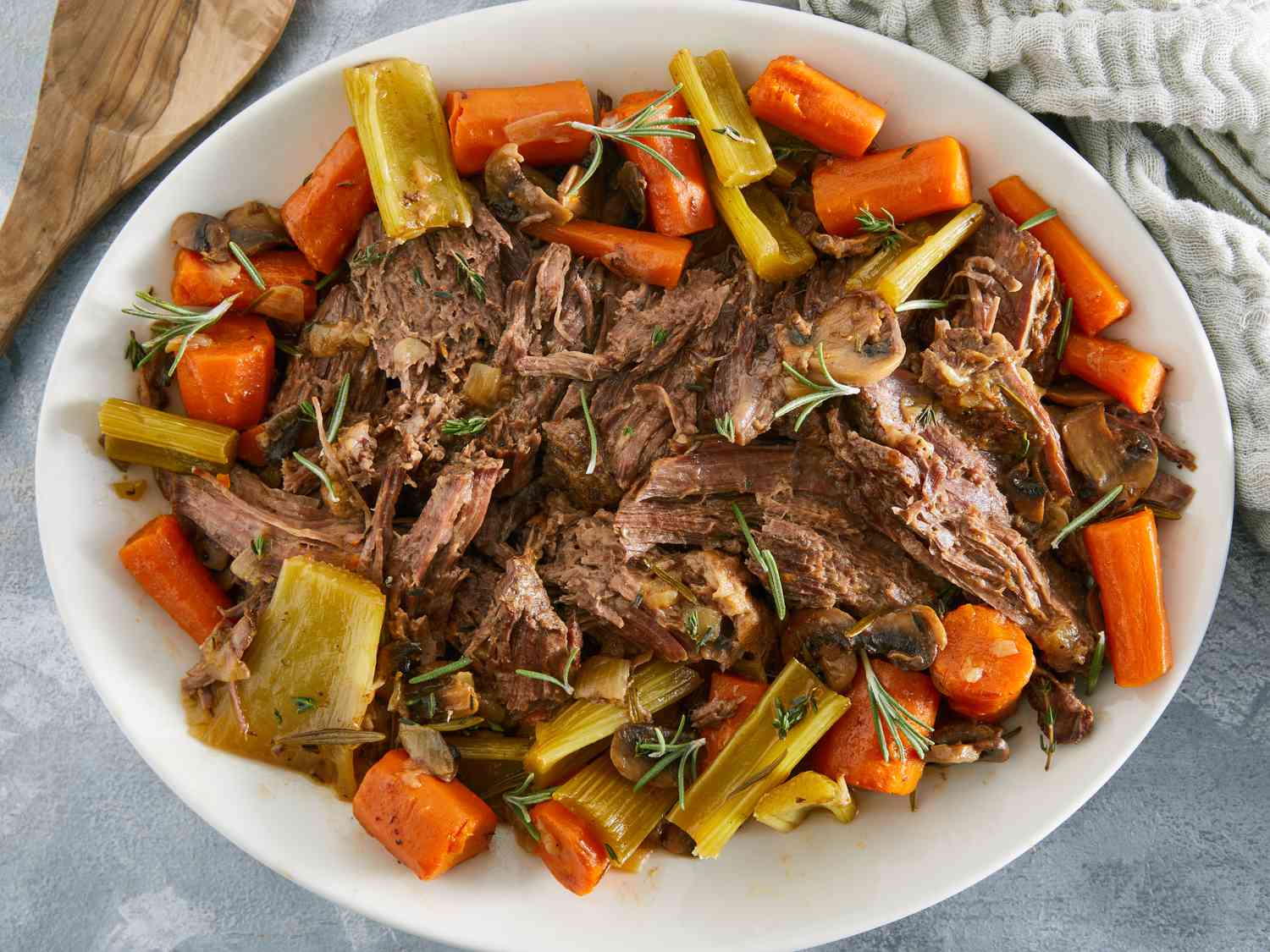
For pot roast, barbacoa-style beef, or pulled pork, browning is worth the extra step when you want that rich, beefy, roasty flavor. It makes the whole house smell like you worked harder than you did.
Beef stew and beef tips
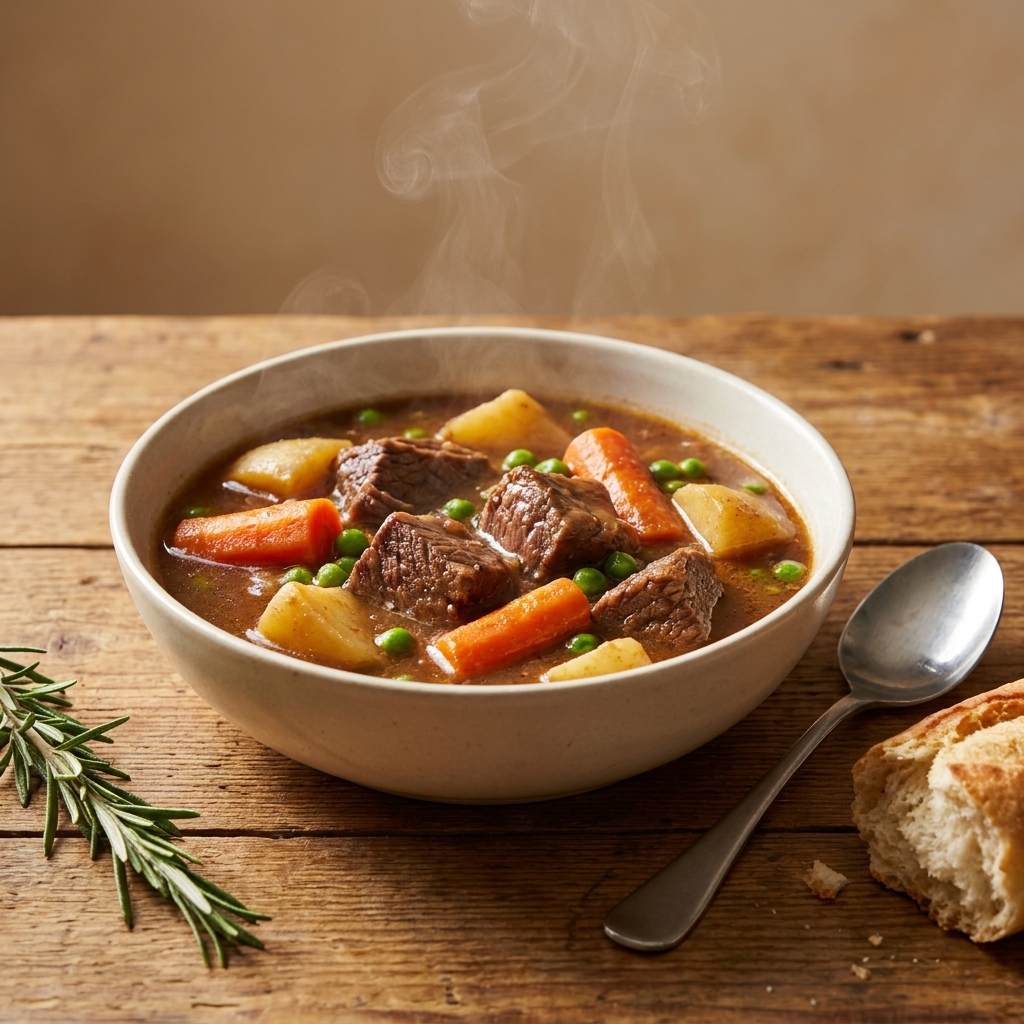
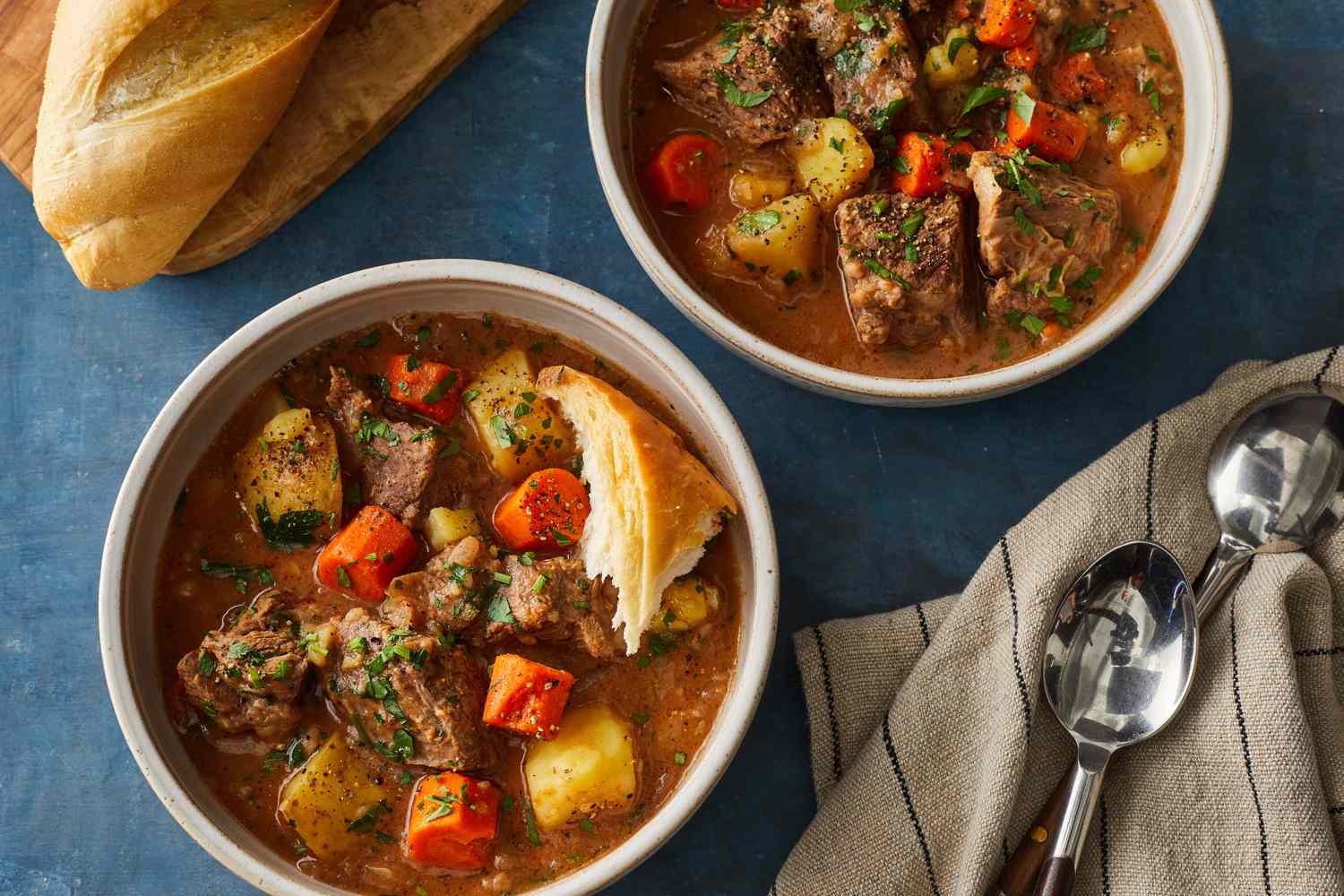
Chunks of beef benefit a lot from searing because there is so much surface area. More surface area means more browning, which means more flavor.
Simple sauces
If your liquid is mostly broth and onions, searing helps prevent the finished dish from tasting flat. If your sauce is already bold (think salsa, barbecue sauce, lots of spices), browning is less critical.
Serving it as is
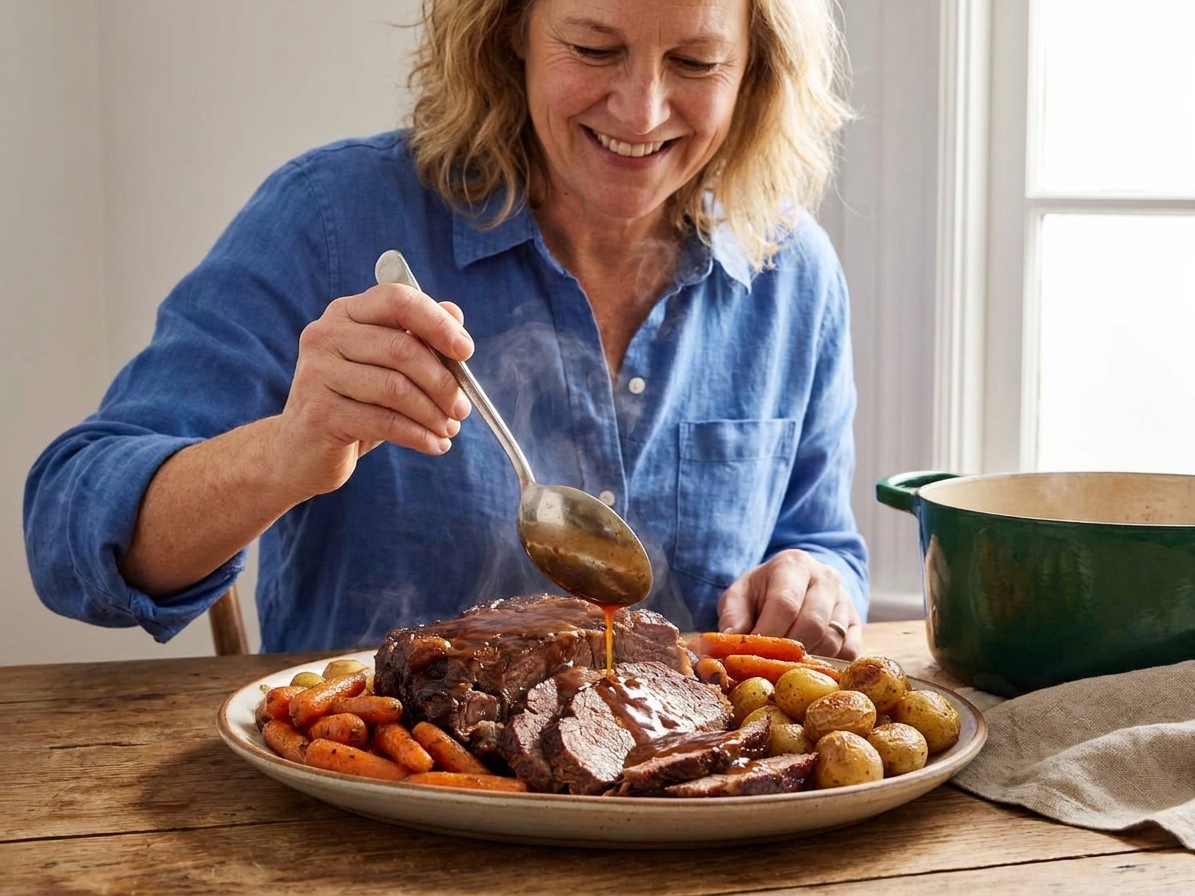
If the roast is the star on the plate with potatoes and carrots, sear it. If you are shredding meat into tacos or mixing into a casserole, you can get away with skipping more often.
When it is fine to skip
Yes, you can skip it. Here are the times I do, without guilt.
Busy mornings and dump-and-go recipes
If browning is the difference between cooking at home and grabbing takeout, skip it and do not look back. A homemade slow cooker meal with zero sear still beats a stressed-out dinner scramble.
Ground meat recipes
For slow cooker chili, sloppy joe filling, or meat sauce, I usually brown ground meat first because of texture and excess fat. But if you are using extra-lean ground turkey or ground chicken and you are okay with a softer texture, you can sometimes skip browning and break it up during cooking.
Strong sauces
Think: jarred marinara, enchilada sauce, barbecue sauce, curry paste, salsa verde. In those recipes, the sauce does most of the heavy lifting.
Skinless chicken thighs
Skinless thighs are forgiving and flavorful. Browning is nice, but not mandatory, especially in soups, shredded chicken, or saucy recipes.
Meat is not the main flavor
In bean-heavy stews or vegetable-forward dishes, browning a small amount of meat can be optional.
More flavor without browning
If you are skipping the sear, you can still stack flavor in other easy ways.
1) Use bold aromatics
- Onion and garlic (fresh or frozen)
- Tomato paste (1 to 2 tablespoons adds serious depth)
- Worcestershire sauce or soy sauce (a teaspoon or two boosts savoriness)
2) Add a smoky element
- Smoked paprika
- Chipotle in adobo
- A splash of liquid smoke (go easy, it is powerful)
3) Finish with acid and salt
This is my “why does it taste bland?” fixer. Right before serving, add one of these:
- A squeeze of lemon or lime
- A teaspoon of apple cider vinegar or red wine vinegar
- An extra pinch of salt
Slow cookers mute bright flavors over time. A little acid at the end wakes everything up.
4) Use the broiler at the end
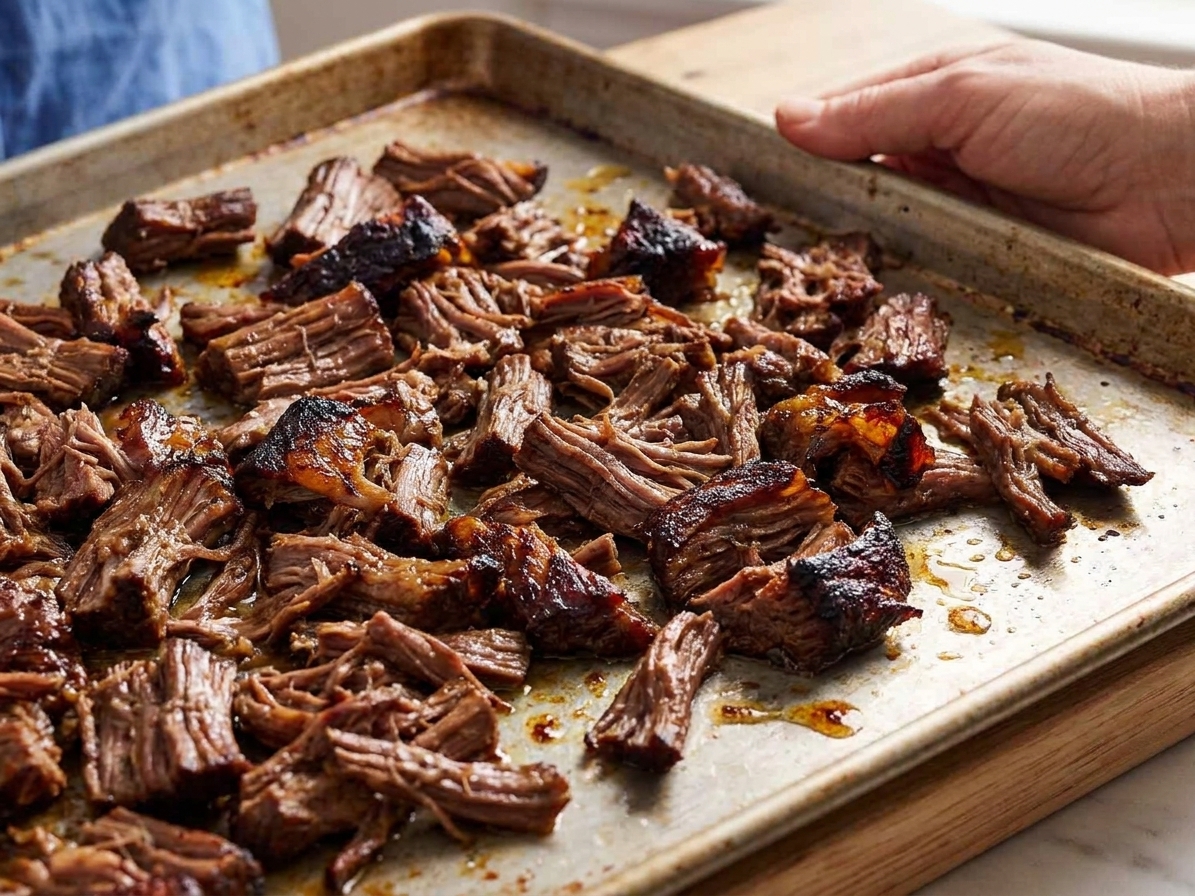
If you are shredding beef or pork, spread it on a sheet pan, spoon a little cooking liquid over it, and broil for 3 to 6 minutes until the edges get crispy. It tastes like you seared it, without doing it at 7 AM.
If you do brown, keep it easy
I am all for browning when it fits the day. Here is how to make it as painless as possible.
Pat it dry and do not crowd the pan
Moisture is the enemy of browning. Blot the meat with paper towels, add a thin slick of oil, then sear in batches. Crowding equals steaming.
Use a safe setup
Searing can get smoky fast. Turn on the fan, crack a window if you need to, and use a pan that can handle high heat. Avoid cranking an empty nonstick pan to screaming-hot temperatures.
Salt a little early, if you can
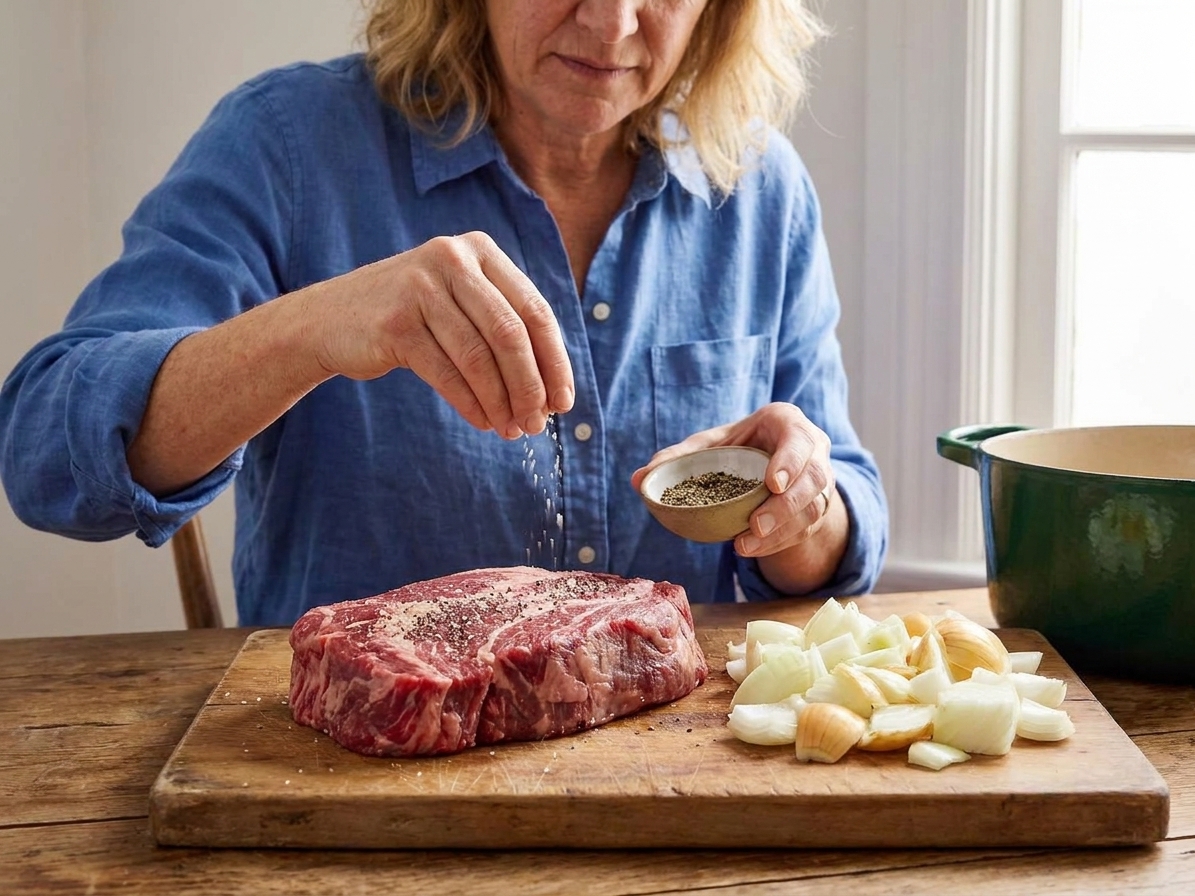
If you have 20 to 30 minutes, salt the meat and let it sit while you prep other ingredients. It helps with browning and overall flavor.
Deglaze fast
After searing, add a splash of broth to the hot pan and scrape up the browned bits. Pour that straight into the slow cooker. You just captured the best flavor with almost no extra effort.
Use a browning-capable insert
Some multi-cookers and some slow cookers with stovetop-safe inserts let you sear in the same pot. If you already own one, this is the moment to use that feature.
Common questions
Does browning seal in juices?
No. That is an old kitchen myth. Browning creates flavor and improves appearance, but it does not form a watertight seal. You can still end up with juicy meat either way, especially with fattier cuts cooked low and slow.
Is it safe to put raw meat in a slow cooker?
Yes, as long as you follow basic slow cooker rules: keep meat refrigerated until cooking, do not let it sit out, and make sure the slow cooker is actually heating properly and stays hot. Skip starting with partially frozen meat, which can keep the contents in the danger zone longer than you want.
Should I preheat my slow cooker?
Some people like to warm the insert while they prep, but it is not a must. If you want a faster start, a more practical move is using hot broth or hot sauce as your cooking liquid, and keeping the lid on so the cooker comes up to temperature quickly.
Why does my meat look gray in the slow cooker?
That is just what meat looks like when it cooks in moist heat without browning. It is not a sign it is undercooked. If it bothers you, sear next time, or use the broiler trick at the end for shredded meats.
Should I brown chicken skin before slow cooking?
If you are using skin-on chicken, browning helps render some fat and improves flavor. But slow cookers will not keep skin crispy. For crispy skin, finish under the broiler or in a hot oven.
What about flouring meat before browning?
Lightly dusting meat with flour before searing can help browning and can also thicken the finished sauce a bit. If you skip browning, flour can clump in the slow cooker, so use it carefully or thicken at the end with a cornstarch slurry instead.
My bottom line
If you have the time and energy, browning meat before slow cooking is one of the easiest ways to get deeper flavor, better color, and a more roast-like finish.
If you do not, you can absolutely skip it and still make a delicious, wholesome dinner. On the busiest days, the best slow cooker recipe is the one you actually start.
When I want the best of both worlds, I skip the sear in the morning, then crisp the shredded meat under the broiler for a few minutes at dinnertime. Big flavor, low stress.