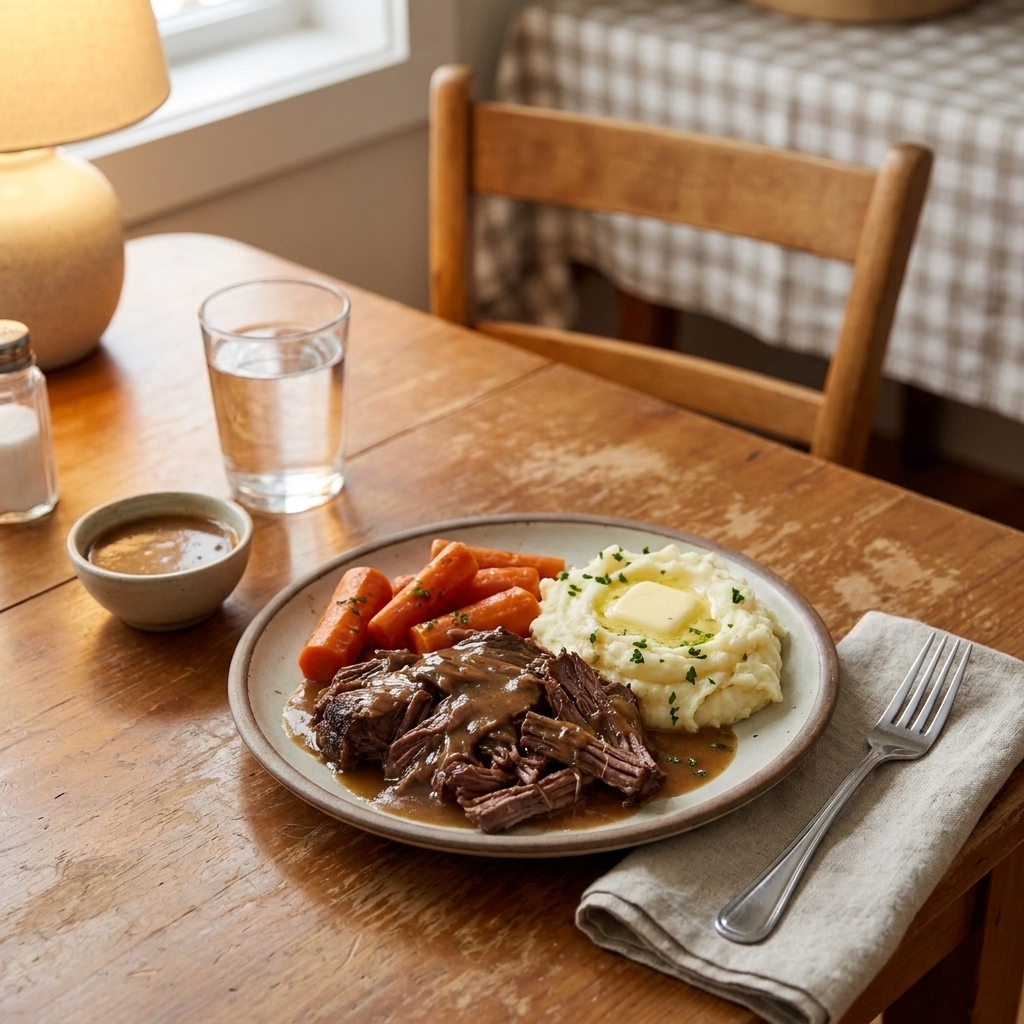
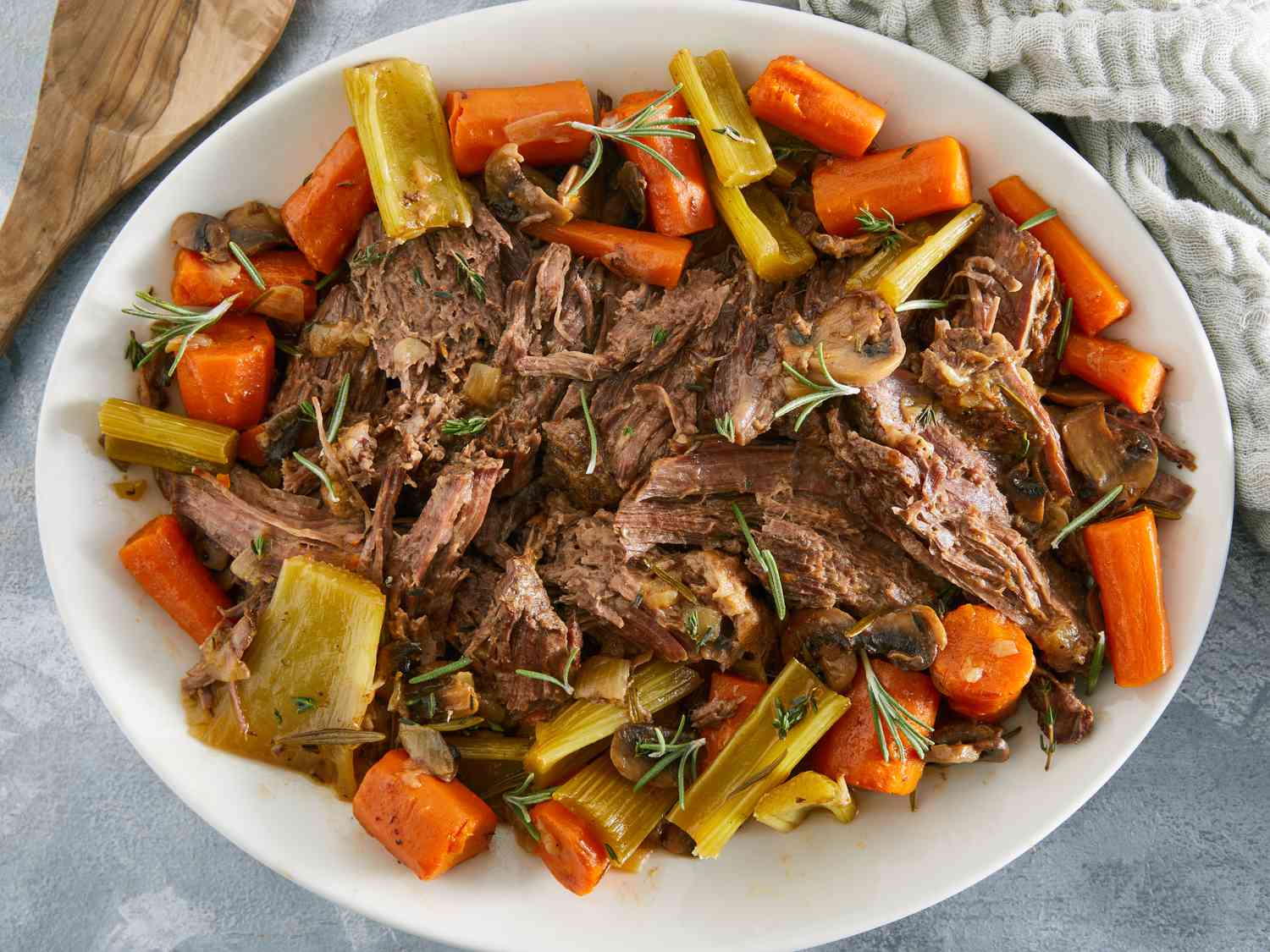
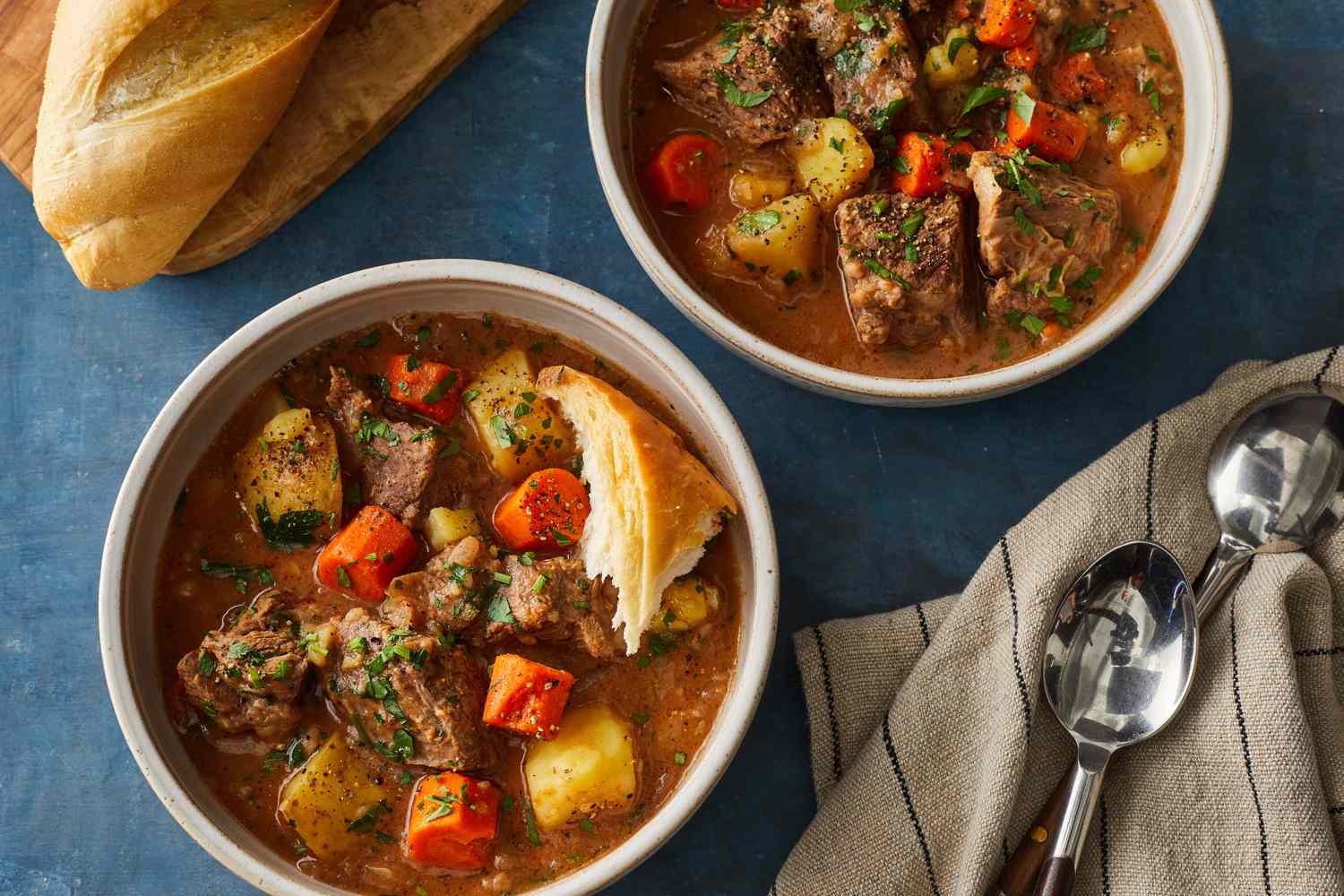
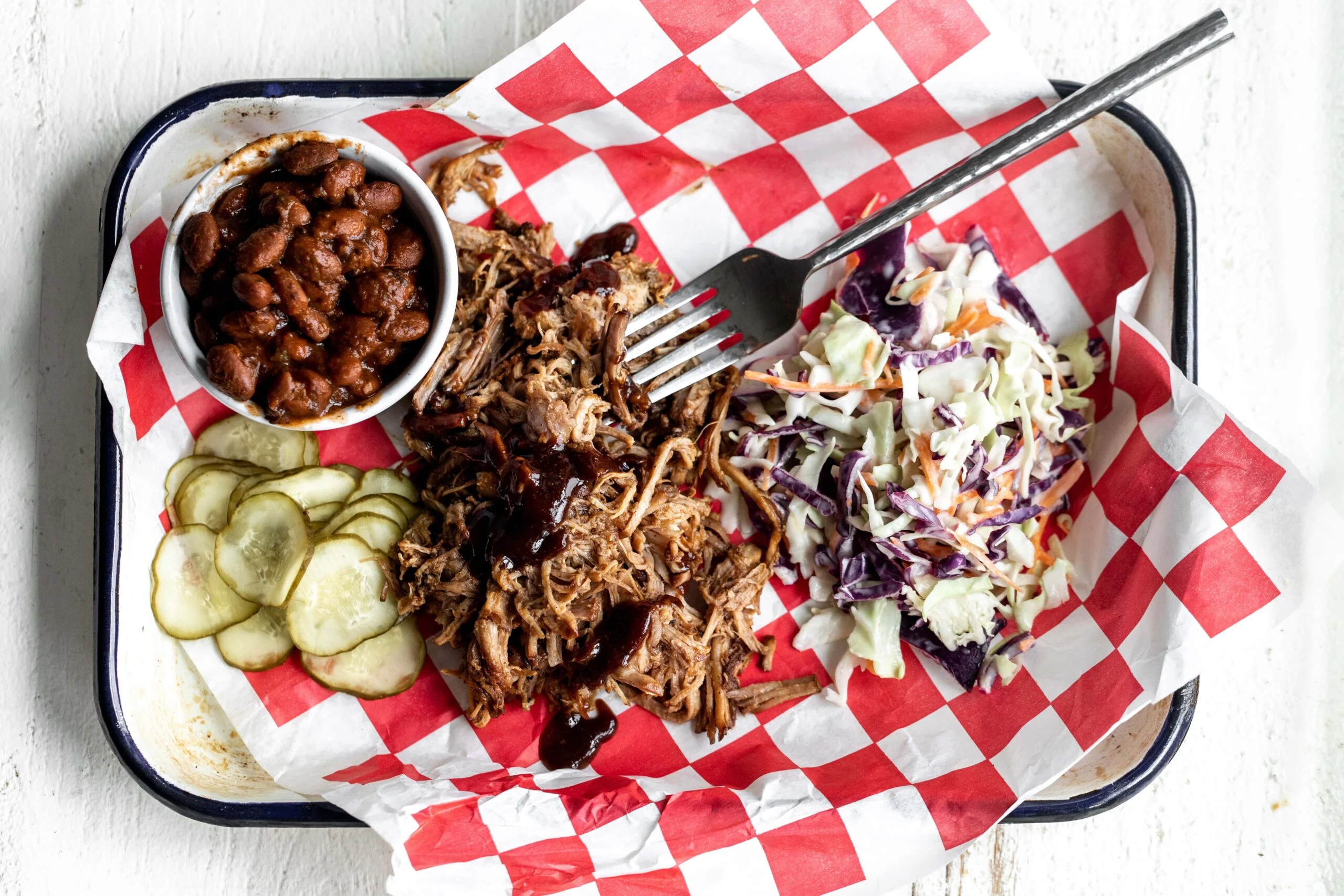
If you have ever stared at the meat case thinking, “How is a Tuesday roast suddenly a luxury item?”, I am right there with you. The good news is that a slow cooker loves the same cuts our grandmas relied on: tougher, hardworking muscles with lots of connective tissue. Give those cuts time, a little moisture, and steady heat, and they turn into the kind of silky, pull-apart meat that feels like it should cost twice as much.
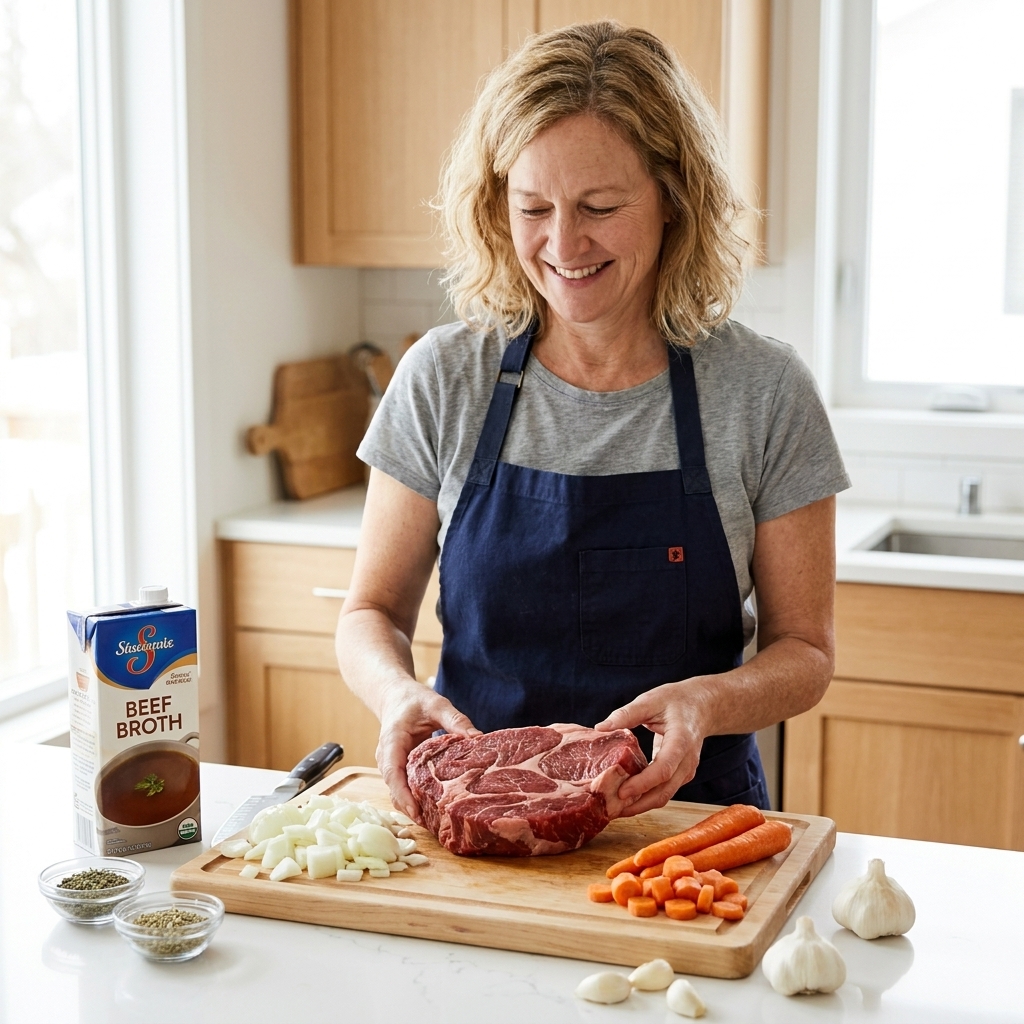
Below are my seven favorite budget-friendly cuts that consistently taste “fancy” when you cook them low and slow, plus exactly how to treat each one so it comes out tender, not dry.
Before you start: slow cooker rules
- Choose the right cook time. Tough cuts need enough time to melt. If it is still firm and only barely fork-tender, it often needs more time. Many cuts do not turn truly luscious until a fork twists easily or the meat wants to shred.
- Use enough seasoning. Slow cookers mellow flavors. Salt, pepper, aromatics (onion, garlic), and a little acid (tomato, vinegar, citrus) make everything taste brighter and more “restaurant.”
- Do not drown the meat. Meat releases liquid as it cooks. Many roasts do great with 1 to 2 cups of broth or sauce, but use what your cooker needs. A reliable cue is adding enough liquid to come about 1/4 to 1/3 up the sides of the meat.
- Lift the meat above the liquid when you can. Nestle it on onions, carrots, or potatoes so it cooks in a moist-heat braise instead of simmering fully submerged.
- Finish like you mean it. Thicken the sauce, reduce it in a saucepan, or add 1 teaspoon vinegar and a handful of chopped parsley at the end. This is the difference between “fine” and “wow.”
- Do not overfill. For best heat circulation, keep the slow cooker about 1/2 to 2/3 full. A 3 to 5 pound roast is usually the sweet spot for most home cookers.
1) Beef chuck roast
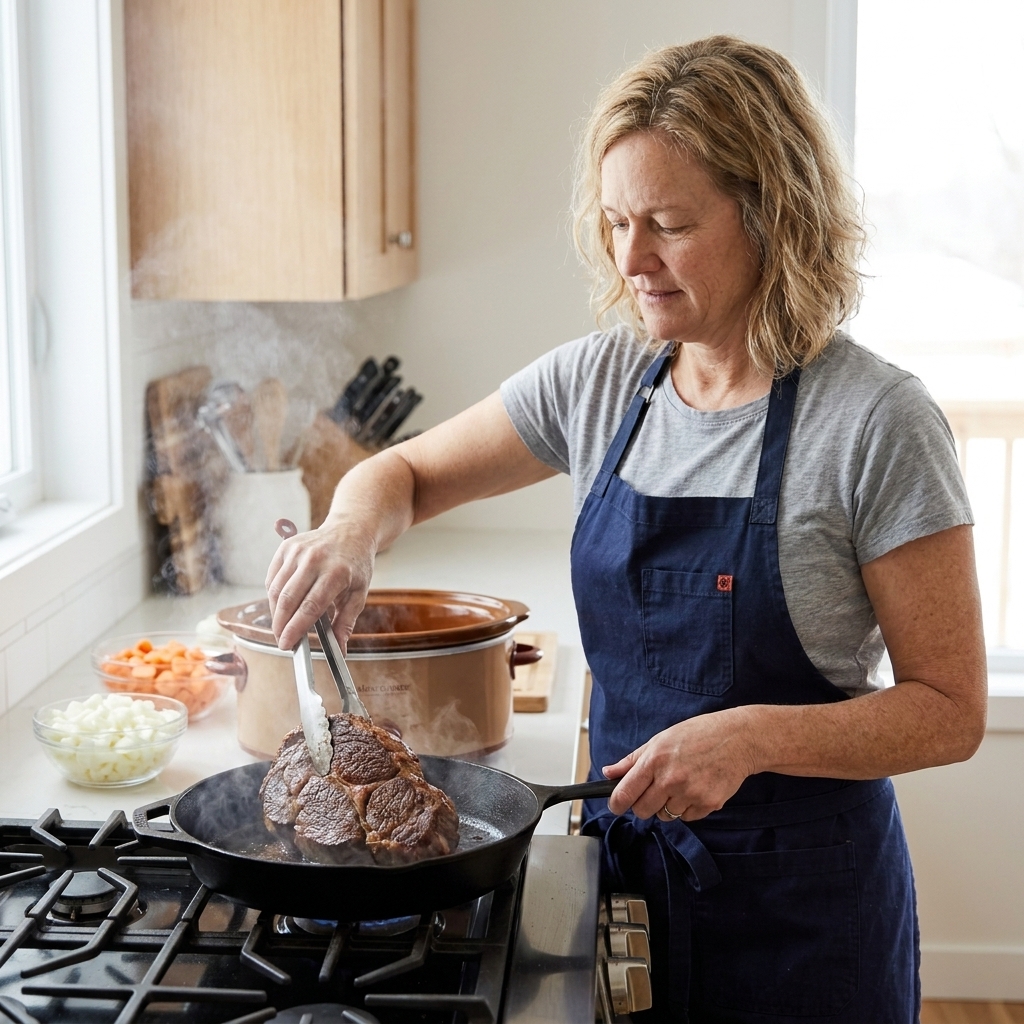
Why it tastes expensive: Chuck has marbling and collagen that turn into rich, silky gravy. It is the MVP for classic pot roast, French dip-style beef, and shredded beef for tacos.
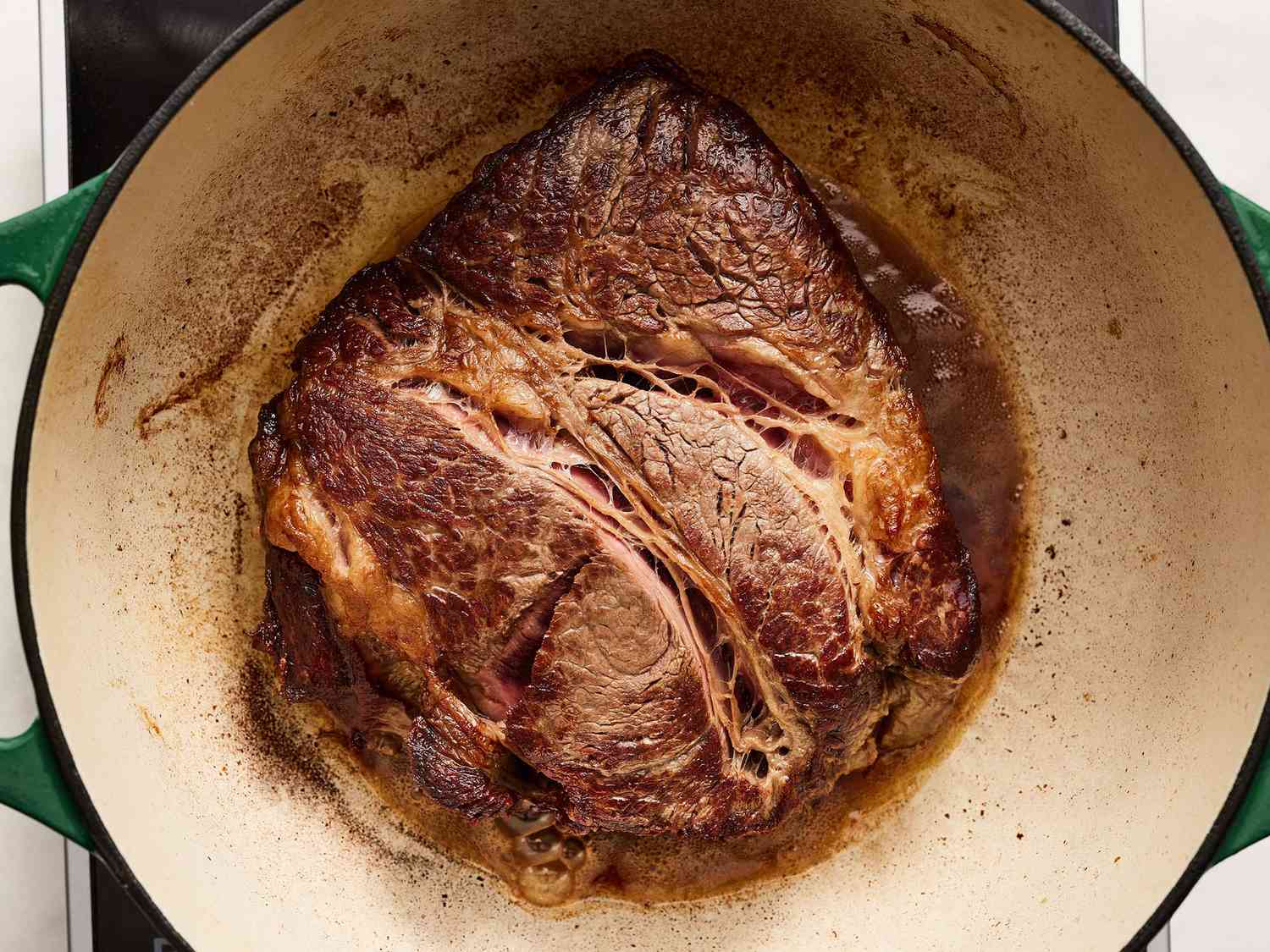
Look for: “Chuck roast,” “shoulder roast,” or “pot roast.” Choose one with visible fat marbling instead of a super-lean piece.
Slow cooker sweet spot: 8 to 10 hours on LOW (or 4 to 6 on HIGH), depending on size. Many chuck roasts hit their best texture closer to the longer end.
Make it taste like Sunday dinner:
- Sear it first if you have 5 extra minutes. Not required, but it adds deep flavor.
- Add onions under the roast, plus garlic, thyme, and a spoonful of tomato paste.
- Finish by thickening the juices with a cornstarch slurry or reducing the liquid on the stove.
2) Beef brisket
Why it tastes expensive: Brisket has a bold, beefy flavor and becomes sliceable or shreddable depending on thickness and cook time. It feels like a special occasion, even when you bought it on sale.
Look for: A brisket with a decent fat cap. Flat is leaner and easier to slice. Point is fattier and extra juicy.
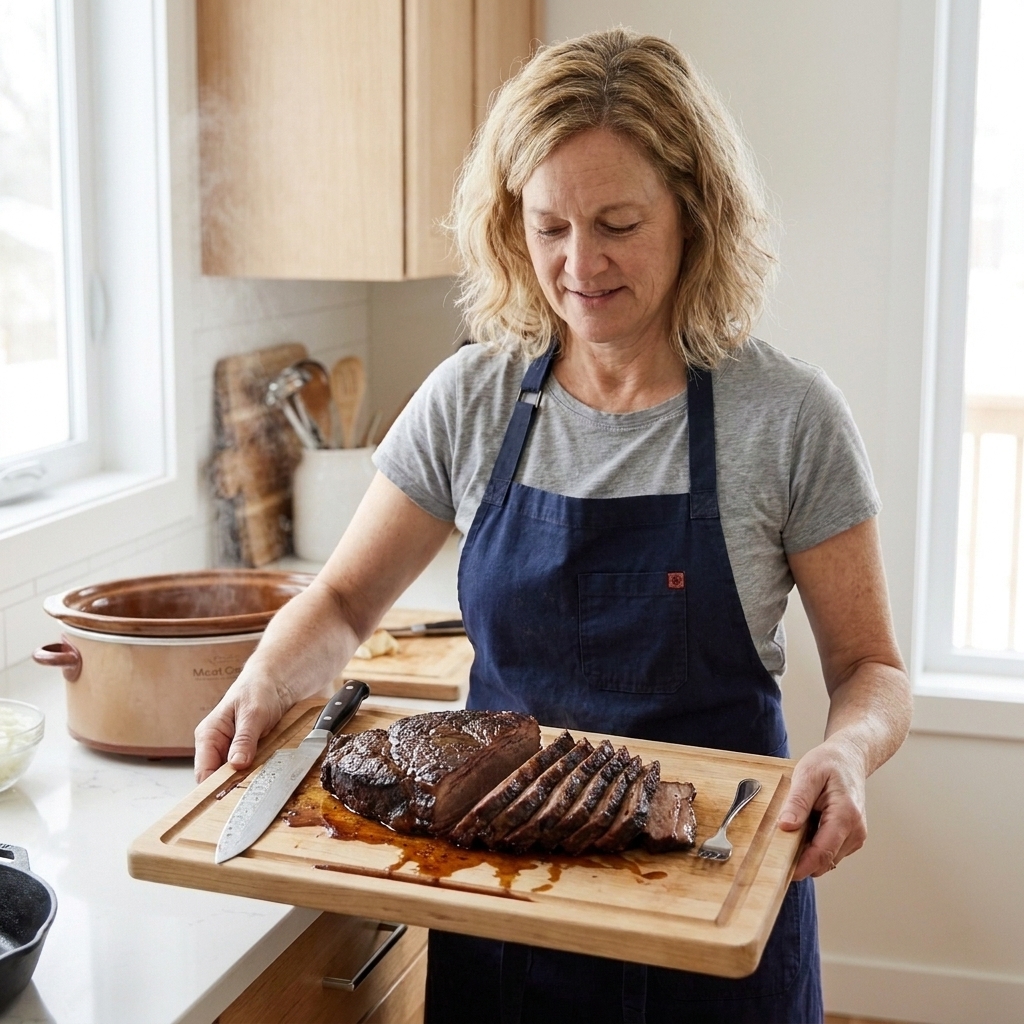
Slow cooker sweet spot: 8 to 10 hours on LOW. Then rest 15 to 20 minutes before slicing.
Pro tip for that “deli” vibe: Slice against the grain. If you slice with the grain, it will feel chewy no matter how perfectly you cooked it.
3) Pork country-style ribs
Why it tastes expensive: These are usually cut from the shoulder, so they have the same slow-cooker superpower as pork butt: plenty of fat and collagen for a juicy, tender result. They also cook faster than a whole shoulder, which is a win on busy days.
Look for: “Country-style ribs” (bone-in or boneless). If you see shoulder “riblets” or similarly named shoulder cuts, they often behave the same way.
Slow cooker sweet spot: 6 to 8 hours on LOW (or 3 to 4 on HIGH) until they are pull-apart tender.
How to make them taste like a barbecue joint:
- Season generously with salt, pepper, paprika, garlic powder, and a pinch of brown sugar.
- Add sliced onion underneath, plus 3/4 to 1 cup broth or barbecue sauce.
- Finish under the broiler for 3 to 5 minutes for those crisp, caramelized edges.
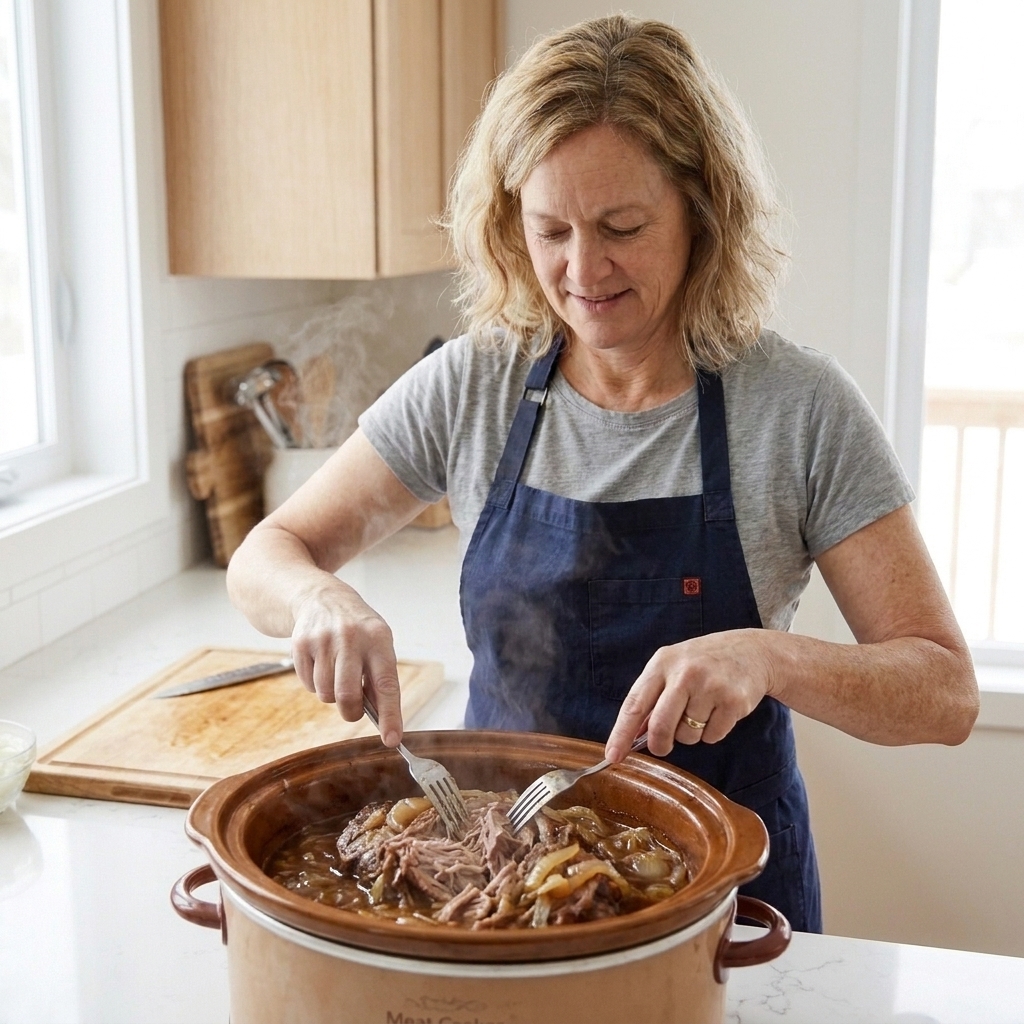
4) Pork shoulder (Boston butt)
Why it tastes expensive: Pork shoulder has enough fat to stay juicy for hours, and it shreds like a dream. You can take it smoky, sweet, tangy, or spicy depending on your sauce.
Look for: “Pork shoulder,” “Boston butt,” or “butt roast.” (Despite the name, it is from the shoulder.)
Slow cooker sweet spot: 8 to 10 hours on LOW for shredding. It is usually ready when a fork twists easily and the meat starts falling apart. For many shoulders, shredding happens around 195 to 205°F in the thickest part.
Weeknight wins:
- For pulled pork sandwiches: season with salt, pepper, paprika, and brown sugar, then finish with barbecue sauce.
- For carnitas-style bowls: use orange juice, lime, garlic, cumin, and oregano, then crisp the shredded pork under the broiler for 5 to 8 minutes.
5) Pork picnic roast
Why it tastes expensive: Picnic roast is a close cousin to pork shoulder, usually cheaper, and it turns into incredibly flavorful shredded pork. It often comes with skin, which can protect the meat during cooking.
Look for: “Picnic roast” or “picnic shoulder.” It may be bone-in and sometimes has a thick skin layer.
Slow cooker sweet spot: 8 to 10 hours on LOW.
My no-stress approach: If there is a thick skin layer, you can cook it as-is, then remove the skin and any big fatty pieces before shredding. If you want a cleaner final dish, trim some skin or fat off before cooking, but do not stress about perfection.
6) Beef round roast
Why it tastes expensive: Round roasts are lean, but with the right approach they can still make a beautiful, budget-friendly dinner. In a slow cooker, I like them best for juicy, slice-thin sandwich beef or an Italian beef-style situation where you serve it with lots of jus.
Look for: “Top round,” “bottom round,” “eye of round,” or “sirloin tip.” These are typically very budget-friendly because they are leaner.
Slow cooker sweet spot: Start checking early. Many round roasts are at their best around 5 to 7 hours on LOW, depending on thickness and your slow cooker. If you go long, they can turn stringy and dry.
Important note (because lean meat can disappoint): Round roast does not have the same built-in fat as chuck. To keep it from tasting dry:
- Cook it with onions and enough broth to create a gentle braise (aim for liquid about 1/4 up the sides).
- Pull it when it is tender enough to slice, not when it is falling apart (unless shredding is your goal).
- Slice very thinly against the grain.
- Serve with plenty of gravy or au jus.
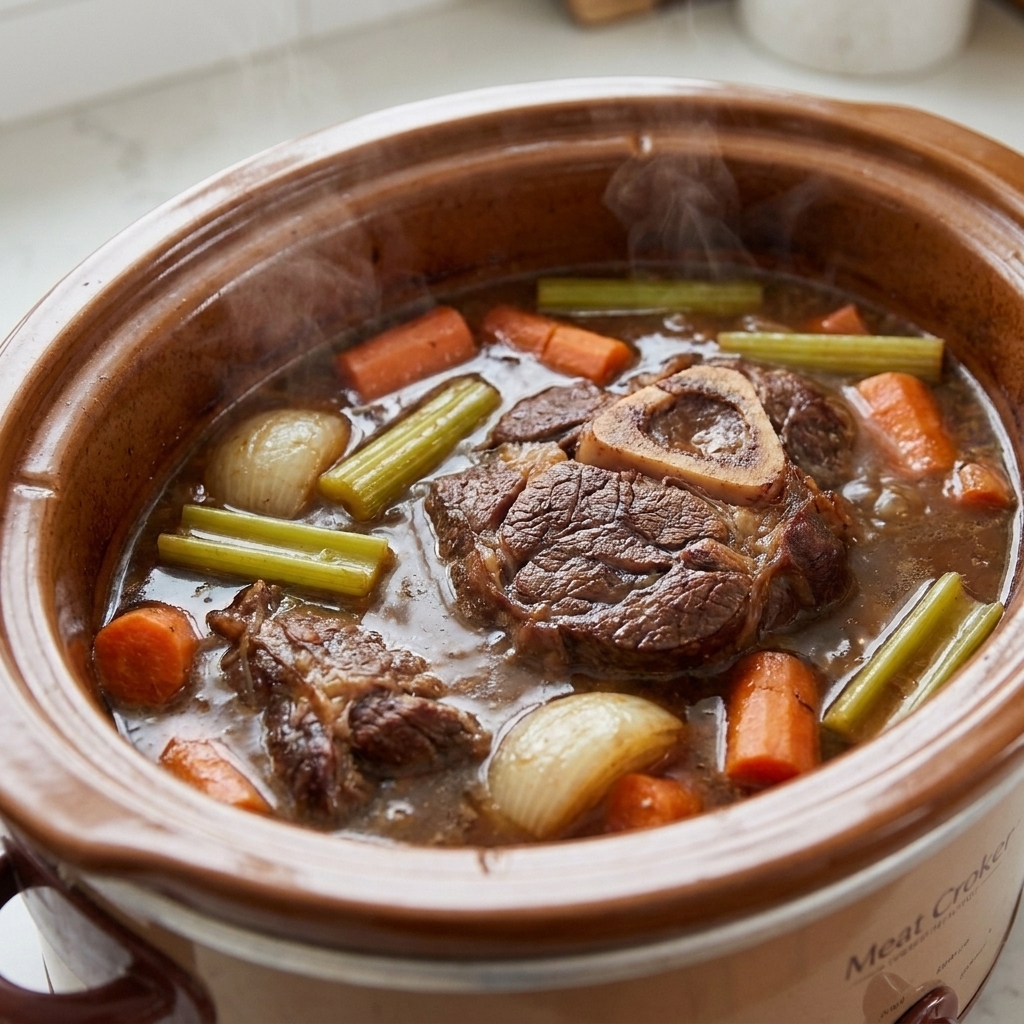
7) Beef shank
Why it tastes expensive: Shank is loaded with connective tissue that becomes gelatinous and rich, which gives you that glossy, luxurious mouthfeel you usually get from pricier braises.
Look for: “Beef shank” or cross-cut shanks with the marrow bone in the center.
Slow cooker sweet spot: 8 to 10 hours on LOW.
Best uses: Hearty stew, osso buco-inspired dinners, or deeply beefy shredded meat in a thick sauce. Add carrots, celery, onion, and a splash of tomato for a classic flavor base.
Budget add-ins that taste fancy
- Onions: Use a full onion, not a token half. They melt into the sauce and create sweetness.
- Tomato paste: 1 to 2 tablespoons deepens color and flavor.
- Worcestershire sauce or soy sauce: A small splash boosts savory flavor fast.
- Vinegar or citrus: 1 to 2 teaspoons at the end wakes everything up.
- Dried herbs early, fresh herbs late: Dried thyme, rosemary, bay leaf early. Parsley or chives right before serving.
FAQ
Do I have to sear the meat first?
No. I sear when I have the time and the mental bandwidth because it adds extra flavor, but you can absolutely skip it and still get tender, delicious results. If you skip searing, just be generous with seasoning and consider finishing the sauce with a splash of vinegar or a pinch of salt.
Why is my roast tough after hours?
It usually needs more time. Tough cuts go through a phase where they tighten up before the collagen fully breaks down. Keep cooking on LOW and check again in 30 to 60 minutes. Also make sure you are using a collagen-rich cut like chuck, shoulder, shanks, or brisket.
How much liquid should I add?
For most roasts, 1 to 2 cups is a great starting point, but use the “up the sides” cue. You want enough liquid to come about 1/4 to 1/3 up the meat so it gently braises and does not scorch. Remember, meat and vegetables release liquid as they cook.
Can I cook frozen meat in a slow cooker?
I do not recommend it. Slow cookers heat gradually, and frozen meat can sit too long in the temperature danger zone. Thaw in the refrigerator first for safer, more predictable results.
My go-to shopping trick
If you can, shop by cut instead of by recipe. When chuck, brisket, pork shoulder, or country-style ribs are on sale, grab them and freeze them. These cuts are slow cooker gold, and having one tucked away turns a future hectic day into a dump-and-go dinner that tastes like you planned ahead all week.