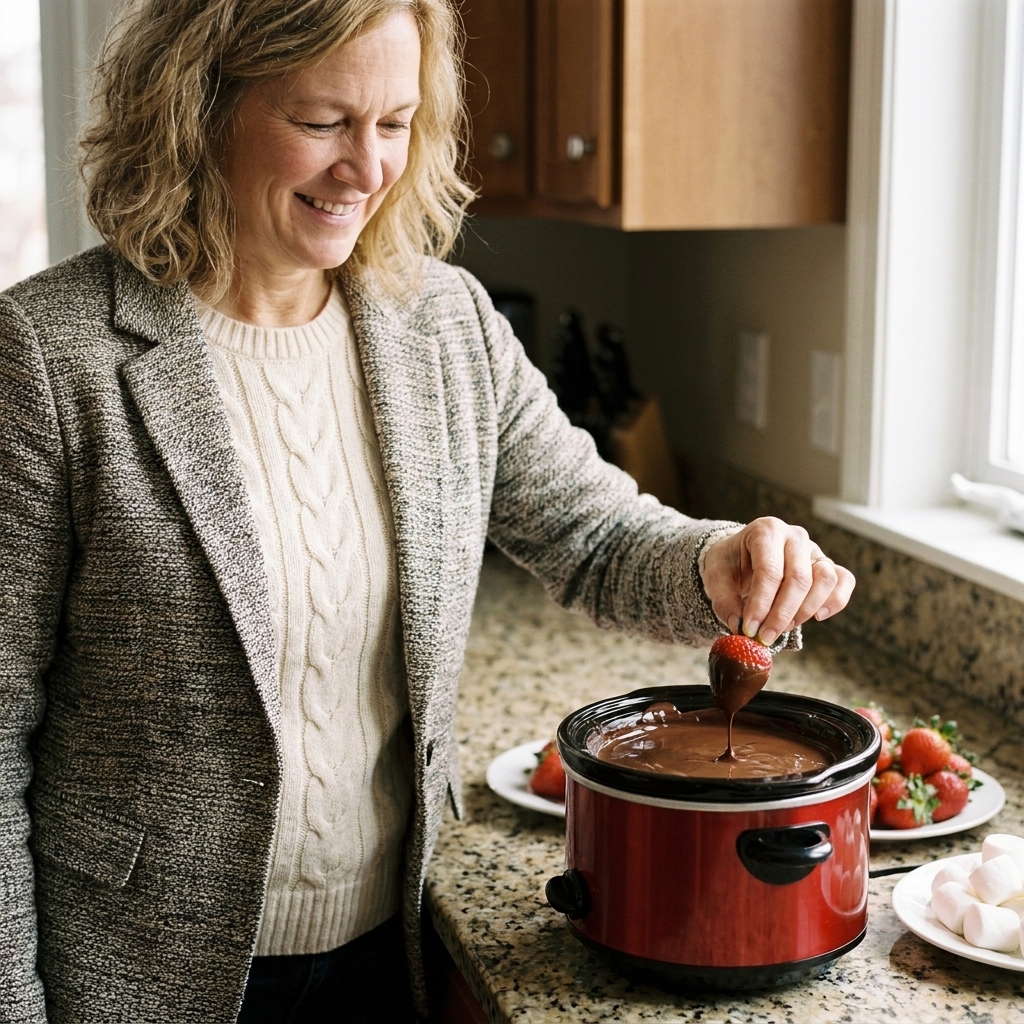
The quick answer
If you are making chocolate fondue for a party, the crockpot wins most of the time. It melts gently, holds at a steady serving temperature, and frees you up to actually enjoy your guests instead of hovering at the stove. The stovetop can be fast and perfectly fine for small batches, but it takes more attention and it is easier to scorch chocolate if you get distracted.
Why parties make chocolate tricky
Chocolate is a little dramatic. It can go from firm to silky to scorched quickly, especially when you are juggling doorbells, kids, and a sink full of skewers.
- Chocolate hates high heat. Too hot, and it scorches or turns thick and grainy.
- Chocolate hates water. A tiny splash (steam from a lid, wet spoon, a drip from washed fruit) can make it seize and go grainy.
- Fondue needs to stay warm. Warm enough to flow, not so hot that it separates or burns.
This is exactly why I reach for the slow cooker when I want “set it and forget it” fondue.
Crockpot vs. stovetop
1) Heat control
Crockpot: Gentle, even heat. On LOW (or WARM after melting), you get a wider margin for error. That means fewer scorched bits and less babysitting.
Stovetop: Direct heat can be precise, but it is less forgiving. One distracted minute on medium heat can turn the bottom of the pan into burnt chocolate glue.
2) Hands-on time
Crockpot: Dump, stir occasionally, then keep it warm while you set out dippers. It is my favorite “make it early and hold it” method.
Stovetop: Requires your full attention during melting, plus you may need to rewarm the chocolate as it cools and thickens during serving.
3) Best texture for dipping
Crockpot: Great for a smooth, fluid texture that stays consistent for a long stretch of time. Ideal when people graze over an hour or two.
Stovetop: Can be ultra-silky right away, especially with a double boiler, but it cools down quickly once moved to a serving bowl.
4) Serving and holding
Crockpot: This is the big win. Your melting vessel becomes your serving vessel. No transferring, no reheating, no stress.
Stovetop: Unless you own a dedicated fondue pot, you will likely transfer melted chocolate to a bowl. It starts cooling immediately.
5) Batch size
Crockpot: Excellent for medium to large batches (think: multiple families, a classroom party, or a big game night spread).
Stovetop: Great for small batches when you just want a quick dessert for the family.
Slow cooker fondue method
This is the approach I use when I want the house to smell amazing and the fondue to stay glossy and dip-ready.
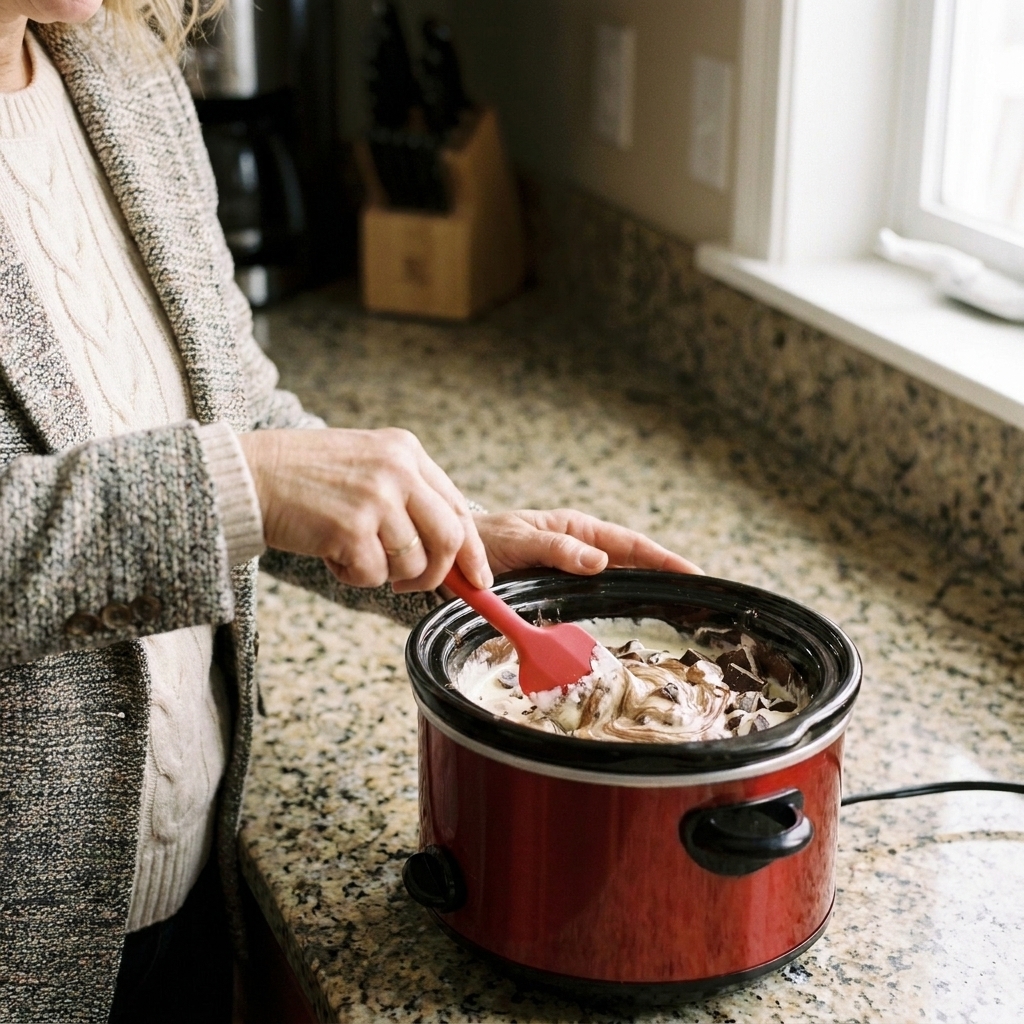
What you need
- Chocolate: chopped bar chocolate or good-quality chips
- Cream (or evaporated milk): helps keep it smooth and dippable
- Pinch of salt (optional but lovely)
- Flavor add-ins: vanilla, espresso powder, peanut butter, orange zest, or a splash of liqueur
How to do it
- Start with a dry crock. Water is the enemy here. Make sure the insert, spatula, and lid are fully dry.
- Add chocolate + cream. For fondue, I like a range of about 1.5 to 2 parts chocolate to 1 part cream by weight, depending on how thick you want it.
- Thicker, more “ganache-y” dip: 2:1 (example: 16 ounces chocolate + 8 ounces cream)
- More fluid, easy-dunk fondue: 1.5:1 (example: 16 ounces chocolate + about 10 to 11 ounces cream)
- Heat on LOW. Stir every 10 to 15 minutes until melted and glossy. Typically it takes 30 to 60 minutes, but go by the cue: fully melted, shiny, and smooth.
- Switch to WARM to hold. Once smooth, move to WARM (if your model runs hot, keep it on LOW but crack the lid slightly).
- Stir occasionally during the party. It keeps the temperature even and helps prevent hot edges.
Maggie tip: If you have a newer slow cooker that runs hot, start on LOW and plan to hold with the lid slightly ajar. Steam dripping back into the chocolate can make it seize, and higher heat can push the chocolate into that thick, grainy zone around the edges.
Stovetop method
I still use the stovetop when I am making a small fondue for a movie night or I need melted chocolate fast for a drizzle.
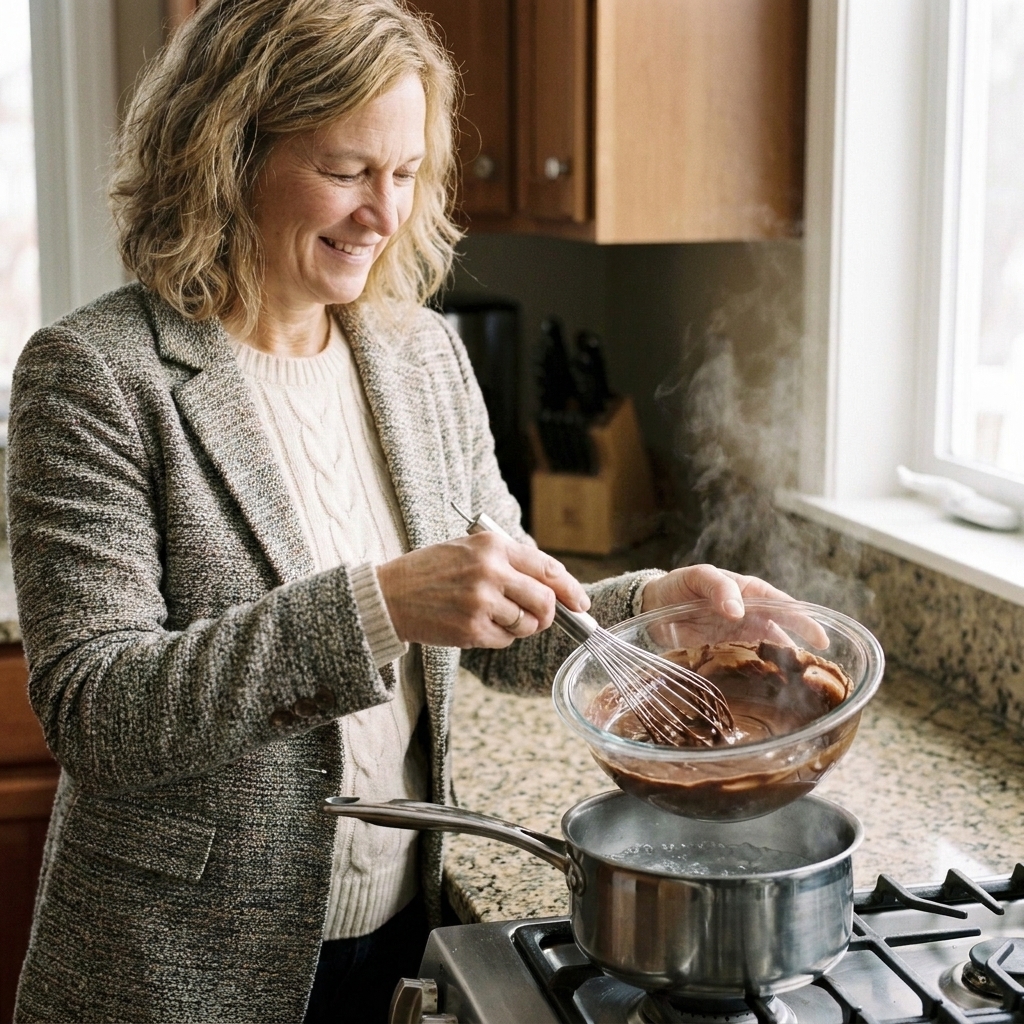
Best approach: double boiler
- Fill a saucepan with 1 to 2 inches of water and bring it to a gentle simmer.
- Set a dry heatproof bowl on top (the bottom of the bowl should not touch the water).
- Add chocolate and stir constantly until nearly melted.
- Remove from heat and keep stirring until fully smooth.
- Stir in warm cream (not cold) to make it fondue-friendly.
What to avoid
- Direct heat in a pot: It can work, but it is the easiest path to scorching.
- High heat to “speed it up”: Chocolate does not reward impatience.
- Covering the bowl: Condensation can drip in and seize the chocolate.
Choosing chocolate
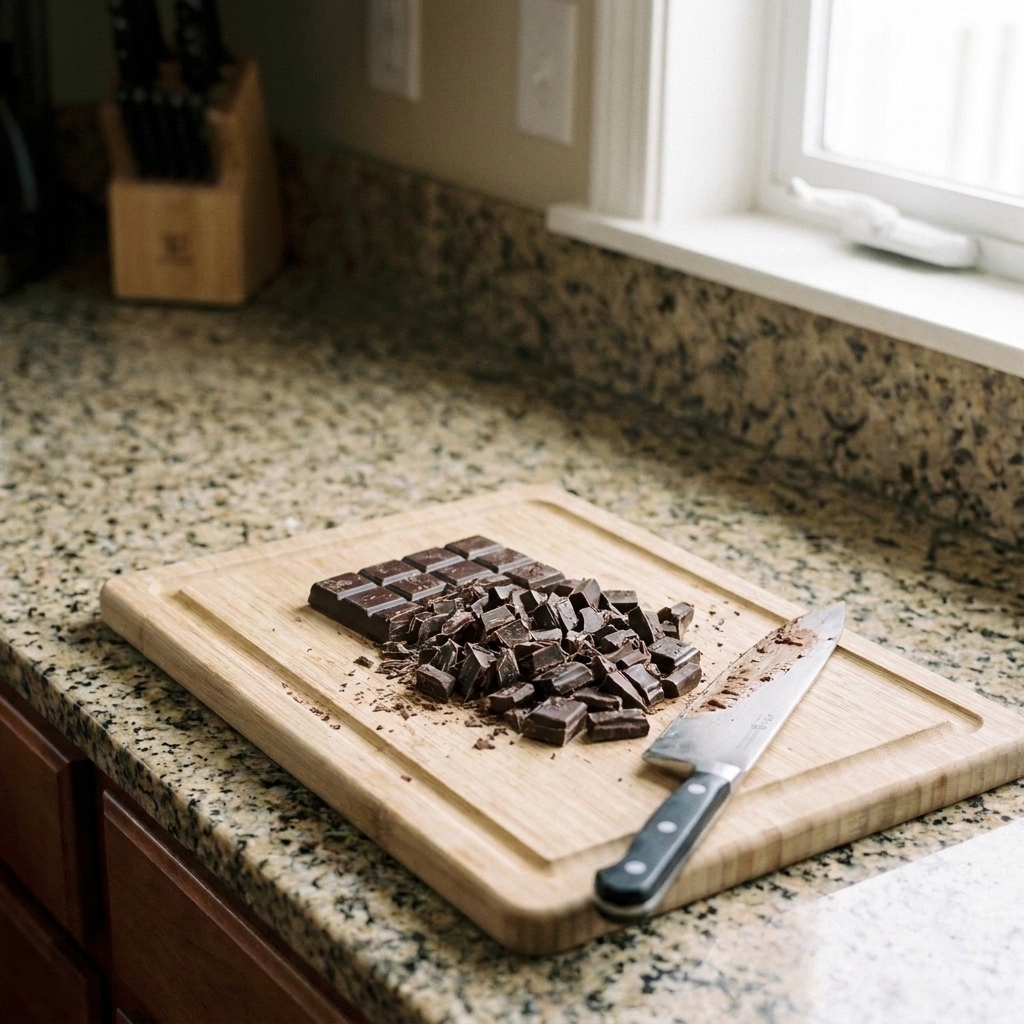
- Best overall: chopped baking bars (semi-sweet or dark) melt smoother than many chips.
- Chocolate chips: convenient, but they often contain stabilizers that can make fondue thicker. Totally usable, just plan on a touch more cream.
- Milk chocolate: melts softer and sweeter. It can be slightly more sensitive to overheating.
- White chocolate: the most finicky. Use very gentle heat and stir often.
Keeping it silky
This is where slow cookers shine, but a few small habits make a big difference.
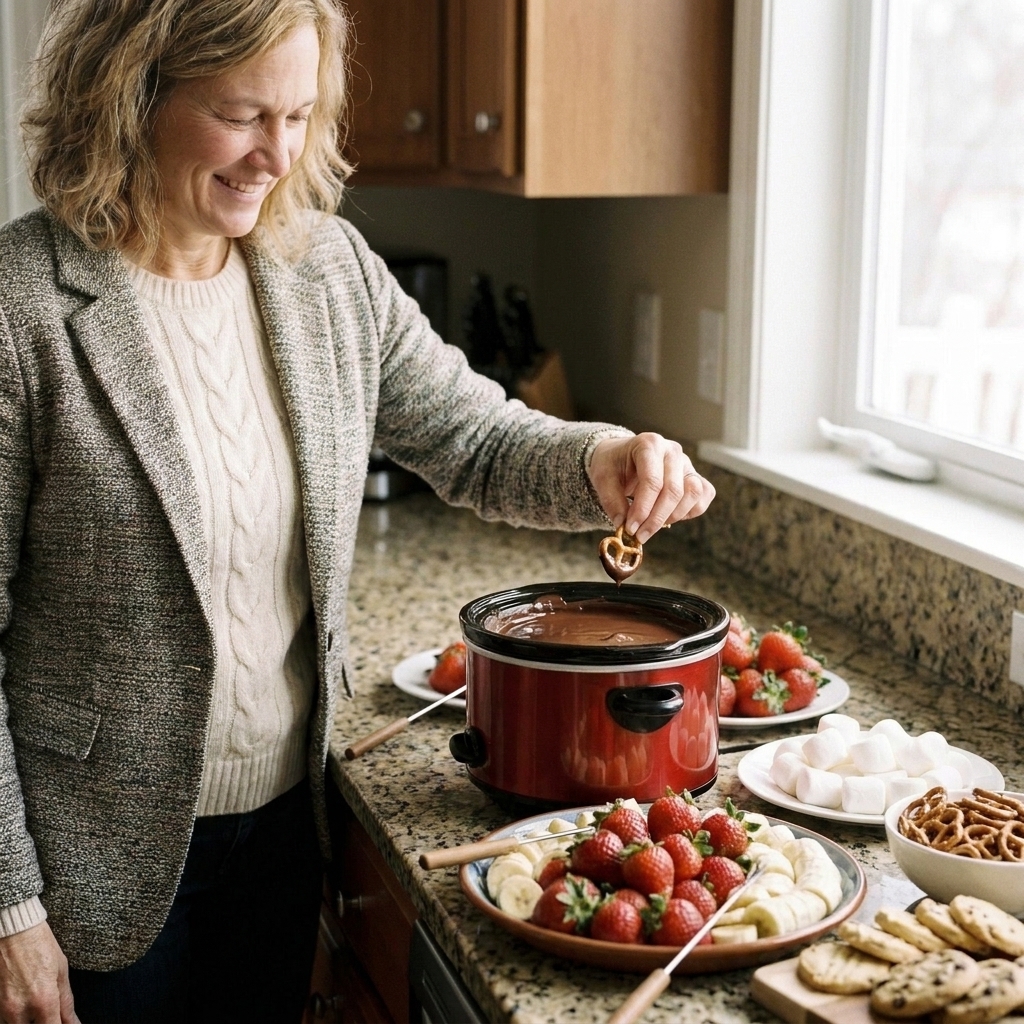
- Use LOW to melt, WARM to hold. If WARM is too hot on your model, hold on LOW with the lid ajar and stir more often.
- Stir along the edges. The perimeter gets hotter first.
- Add warmth, not cold. If it thickens, stir in warm cream a tablespoon at a time.
- Keep utensils dry. One wet spoon can ruin the texture.
- Do not overfill. A smaller, deeper pool holds heat more steadily than a thin layer, which helps the fondue stay fluid with less risk of overheating at the edges.
Common problems
My chocolate seized and turned grainy
This is usually moisture, sometimes helped along by too much heat. Try whisking in 1 teaspoon of warm cream at a time. If it is badly seized, you may not get it fully glossy again, but you can often save it into a thicker dip.
It is too thick for dipping
Stir in warm cream, a tablespoon at a time, until it flows. Chocolate chips often need more thinning than chopped bars.
It tastes scorched or looks gritty
Unfortunately, burned chocolate does not recover. For parties, this is another point for the slow cooker since it lowers the risk of hot spots and accidental overheating.
It is separating and looks oily
That can happen if it gets too hot or if add-ins were cold. Pull it off heat (or turn the slow cooker off for 5 minutes), stir steadily, and whisk in a splash of warm cream to bring it back together.
Fondue bar setup
If you are hosting, here is the simplest flow that keeps things moving and minimizes mess.
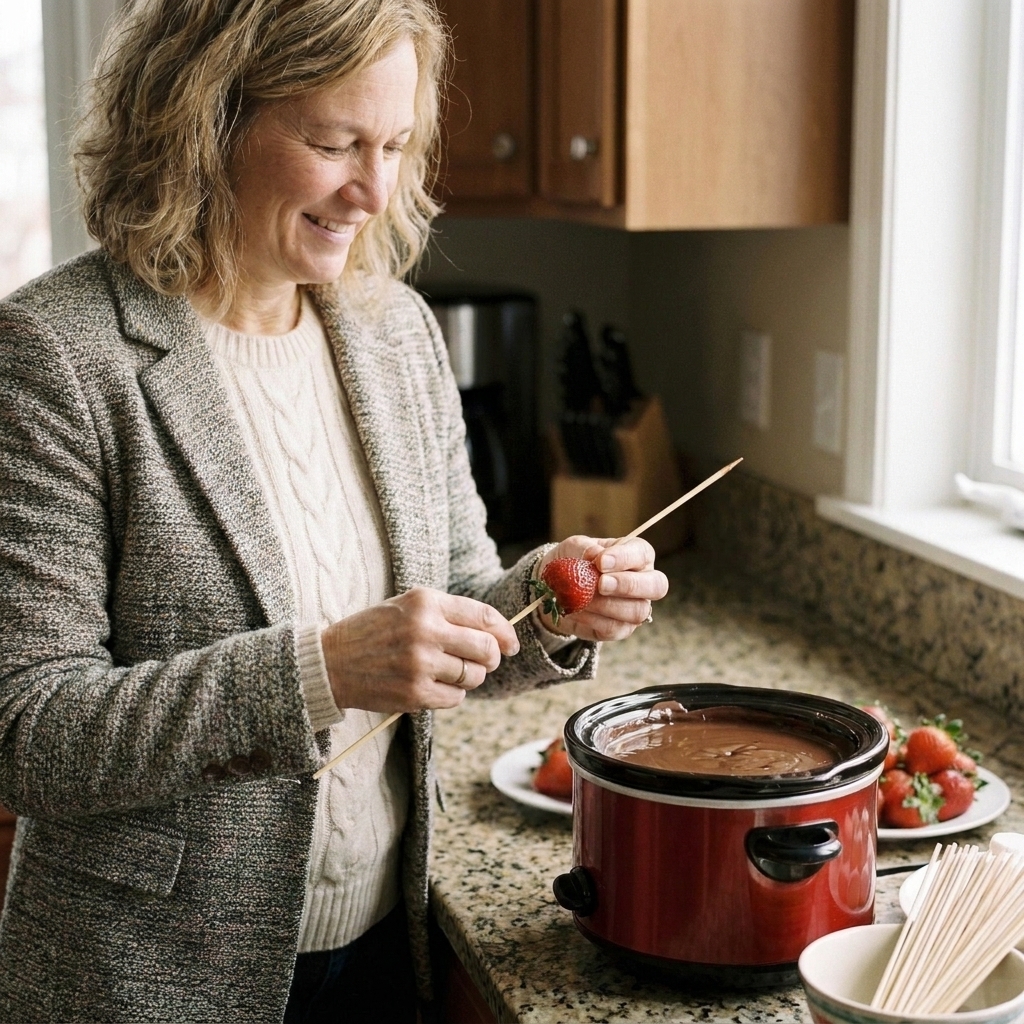
- Slow cooker size: a 2 to 4 quart slow cooker is perfect for dessert fondue.
- Dippers: strawberries, banana slices, pineapple, marshmallows, pretzels, pound cake cubes, brownie bites, graham crackers.
- Prep tip: pat fruit dry and set it out on parchment-lined trays so it is ready to grab.
- Skewers: short wooden skewers or fondue forks. For kids, I like sturdy toothpicks or cake-pop sticks.
FAQ
Can I melt chocolate directly in the crockpot insert?
Yes. That is the whole beauty of it. Just make sure everything is completely dry, melt on LOW, and stir occasionally.
Should I use crockpot liners for chocolate fondue?
You can, but I usually do not. Liners can wrinkle and make stirring a little awkward. If easy cleanup is your priority, a liner is fine. Just keep the heat gentle.
How far ahead can I make chocolate fondue?
I like to melt it 30 to 90 minutes before guests arrive, then hold on WARM. If you need it longer, plan to stir every 20 minutes and add warm cream if it thickens.
How long can it sit out?
For a party, I treat chocolate fondue like any dairy-based dip. Keep it warm while serving, but do not leave it on the counter all day. Refrigerate leftovers promptly, and rewarm gently with a splash of cream to loosen it back up.
Can I make it dairy-free?
Yes. Use dairy-free chocolate and swap the cream for full-fat coconut milk or a barista-style oat creamer. Start with the same ratio range and adjust with a little more warm coconut milk as needed for dipping.
Is a stovetop fondue pot better than a slow cooker?
A true fondue pot is great, especially one with adjustable temperature. But for most homes, a small slow cooker is more practical, easier to control, and big enough for a crowd.
Bottom line
If your goal is hands-off entertaining, the crockpot is the best way to melt chocolate for party fondue. It melts gently, holds beautifully, and lets you focus on the fun part: dunking strawberries and catching up with your people instead of managing a burner.