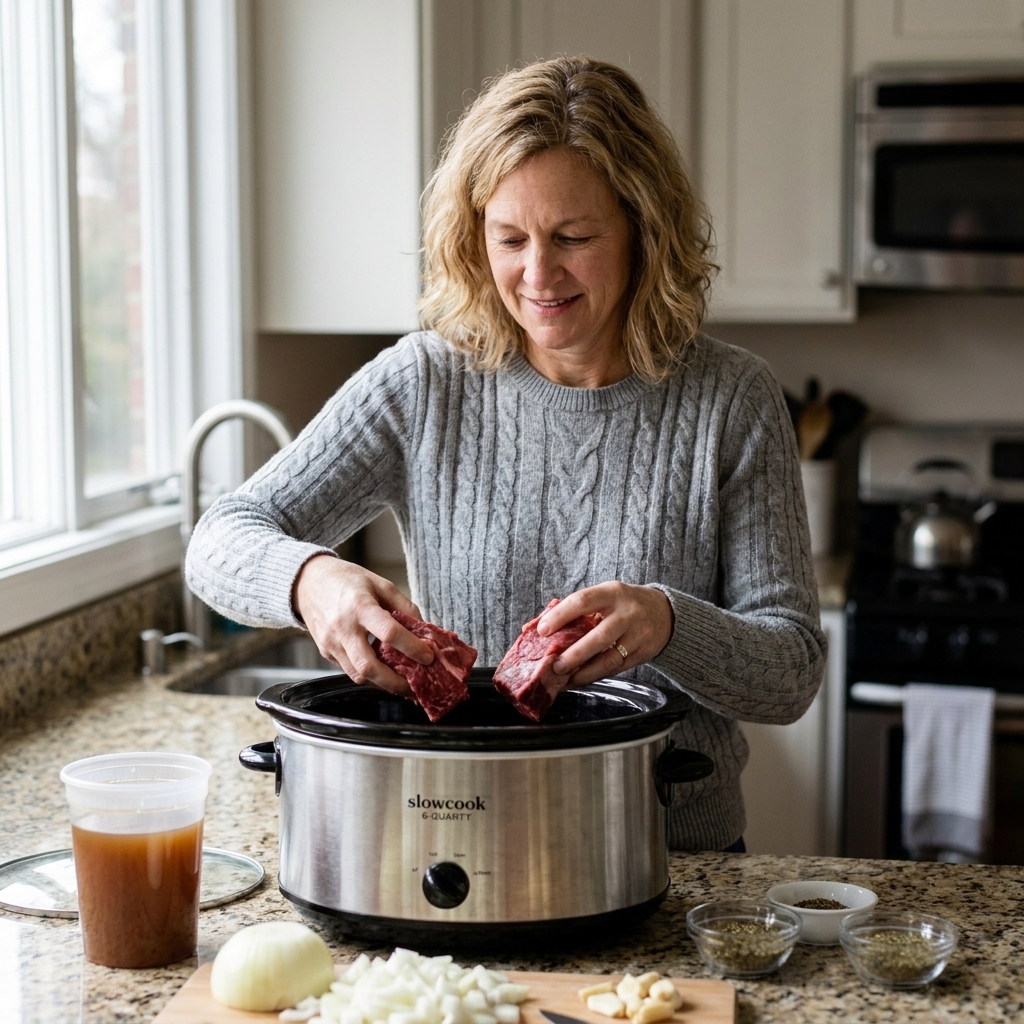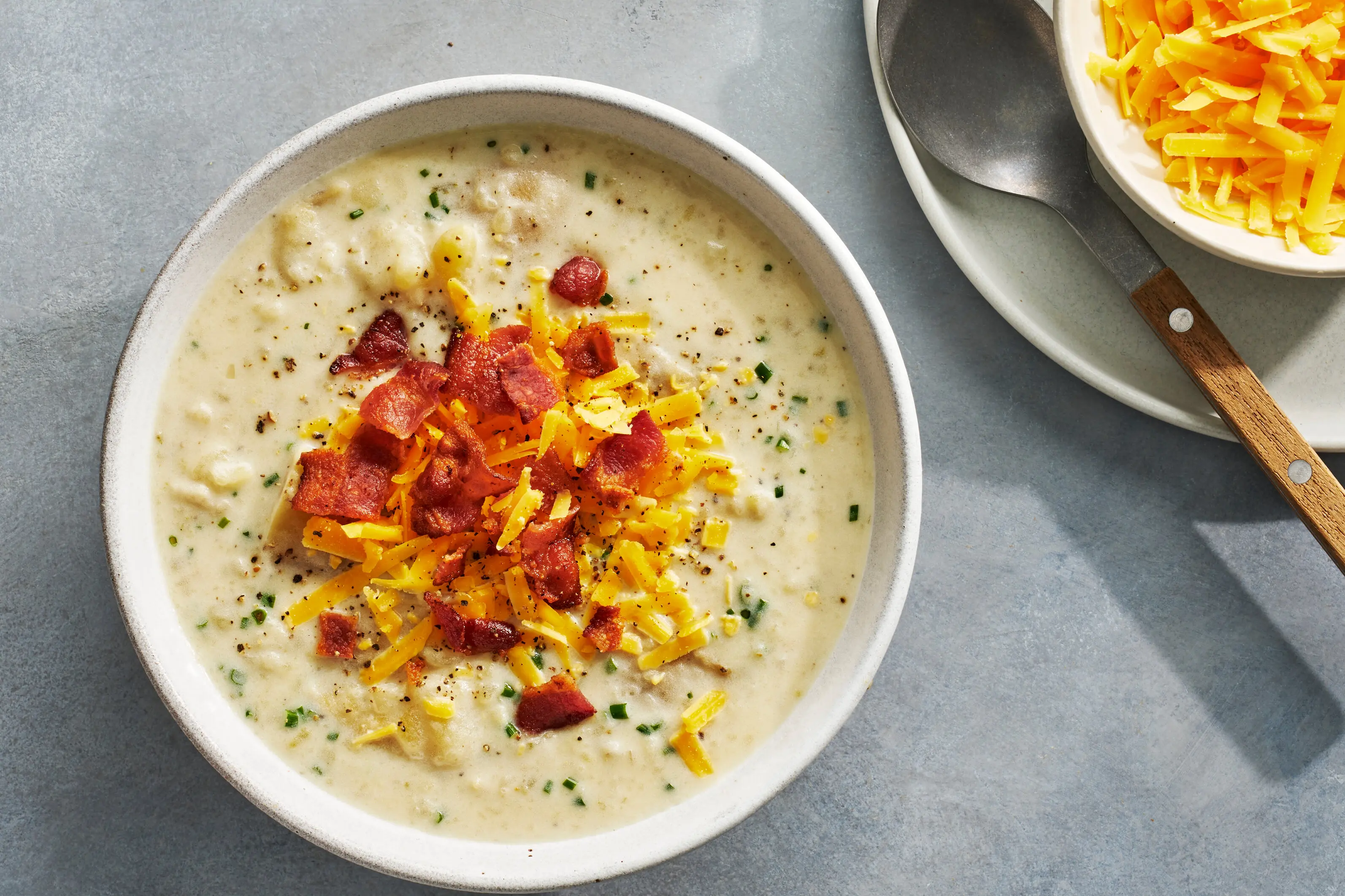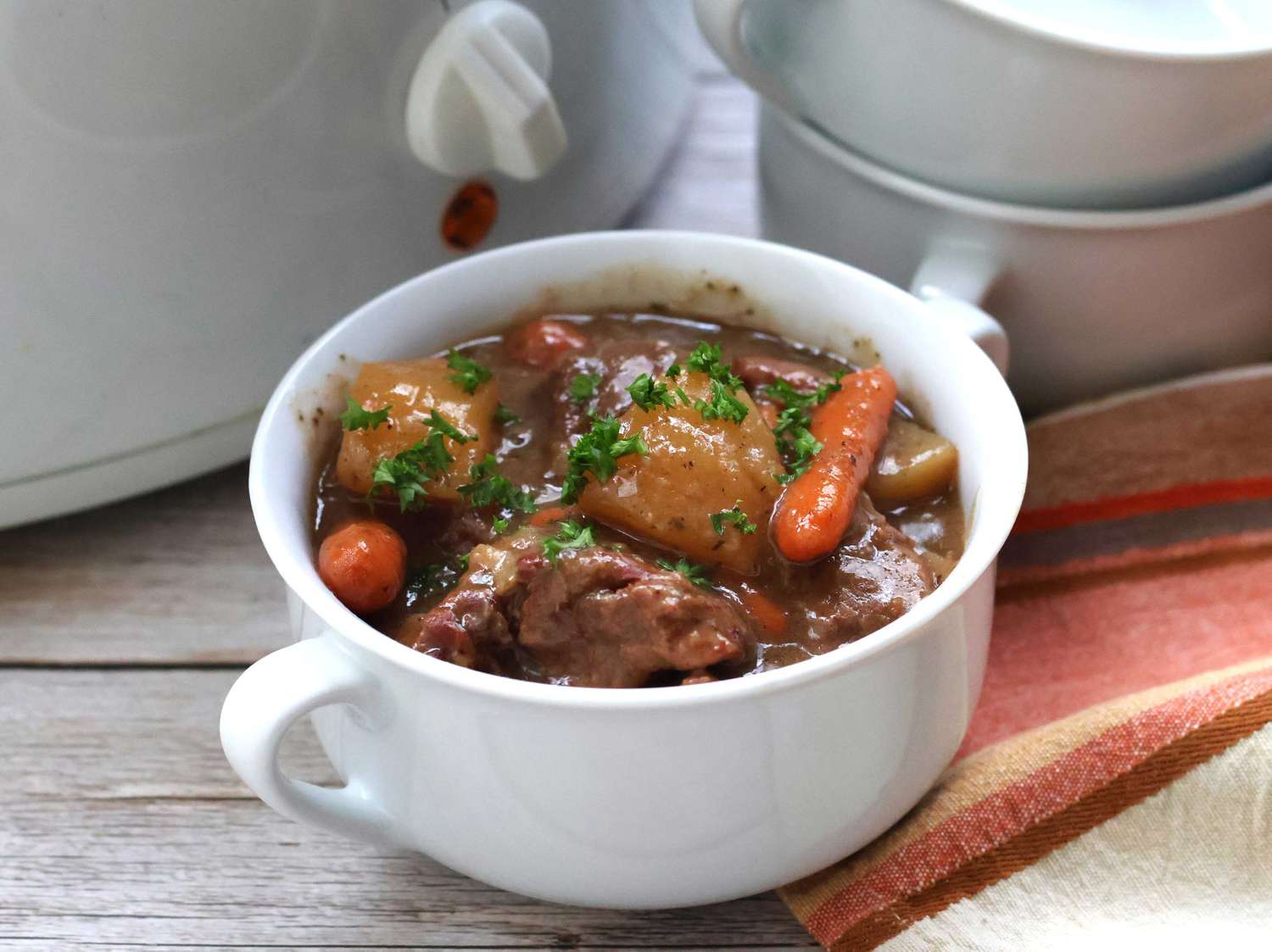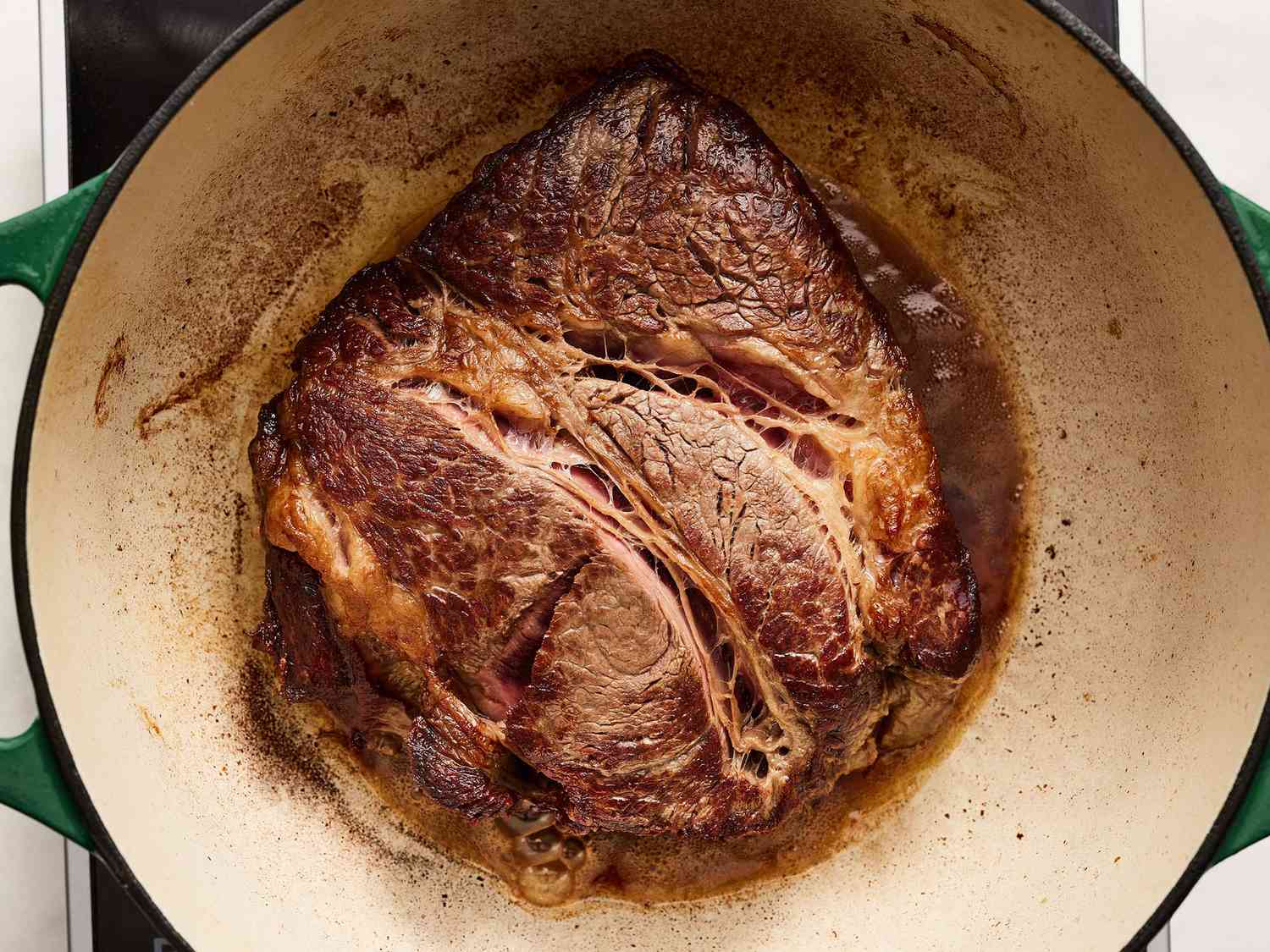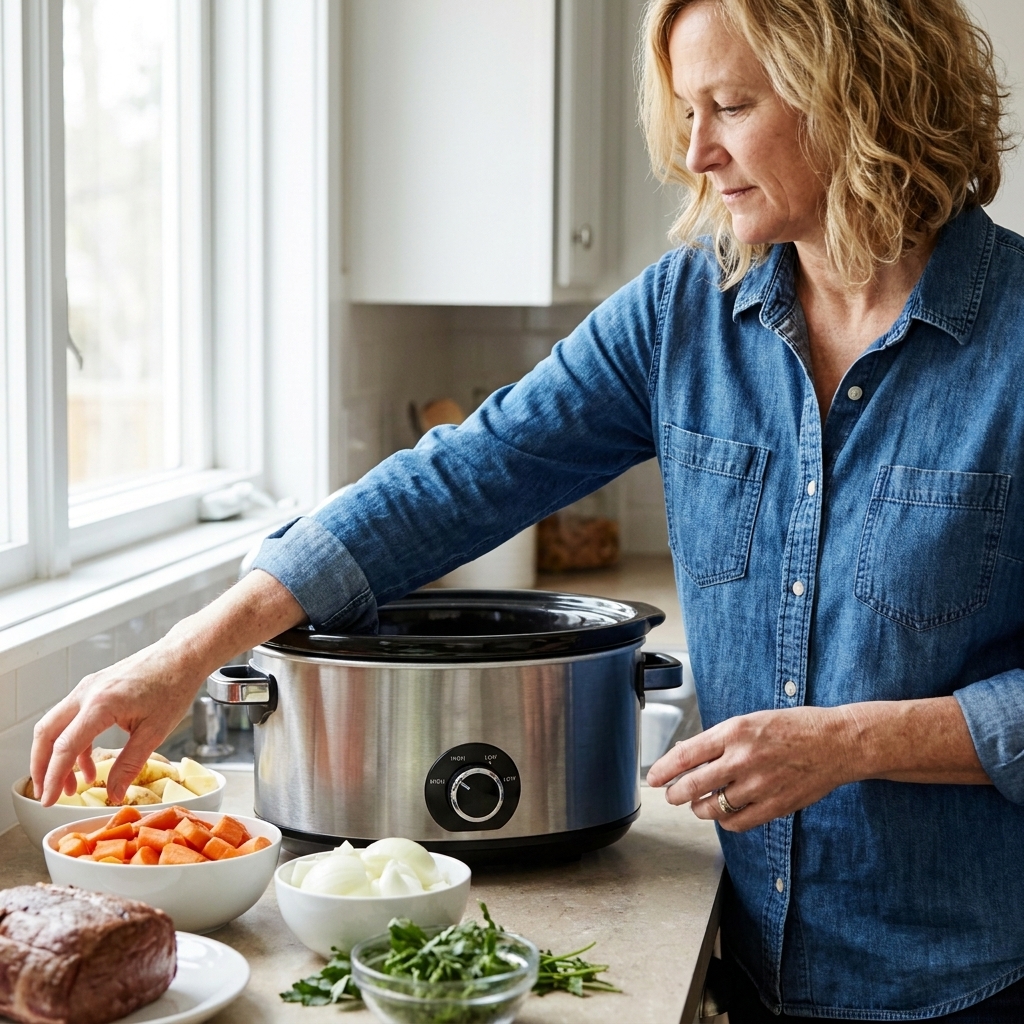
High vs. Low, in plain English
If you have ever stared at your slow cooker at 2:45 PM thinking, “Do I have time for Low, or do I need to go High?” you are my kind of person. Here is the truth that makes weeknights easier:
- Low cooks more gently. It gives you the most consistently tender meat, the least curdling, and the best “simmered all day” flavor.
- High cooks hotter and faster, but it is not a microwave. It still needs time to heat the whole pot through.
In many slow cookers, both settings eventually get food to a similar “done” zone (hot and simmering), but the real difference is how quickly you get there and how much time your ingredients spend at a gentle simmer versus a more active one. If your model’s manual says otherwise, trust your manual.
Choose based on your deadline
When dinner timing is the whole game, use this simple approach.
If you need dinner ready in 3 to 5 hours
Choose High. This is my go-to for:
- Chicken thighs and drumsticks
- Soups with quick-cooking ingredients (beans that are already cooked, small pasta added at the end, frozen meatballs)
- Chili when the meat is browned first
- Sloppy-joe-style filling, taco chicken, shredded BBQ chicken
If you have 6 to 10 hours
Choose Low. This is the “set it and forget it” sweet spot for:
- Pot roast, pork shoulder, beef stew meat
- Chicken soup that you want deeply flavorful
- Beans that you are cooking (with the right safety notes, see below)
- Anything creamy or dairy-based where you want less risk of breaking
If you are somewhere in the middle
If you can swing it, start on High for 30 to 60 minutes to get the pot heating, then drop to Low to finish. Not every slow cooker behaves exactly the same, but this “warm-up then cruise” method saves many rushed dinners in my house.
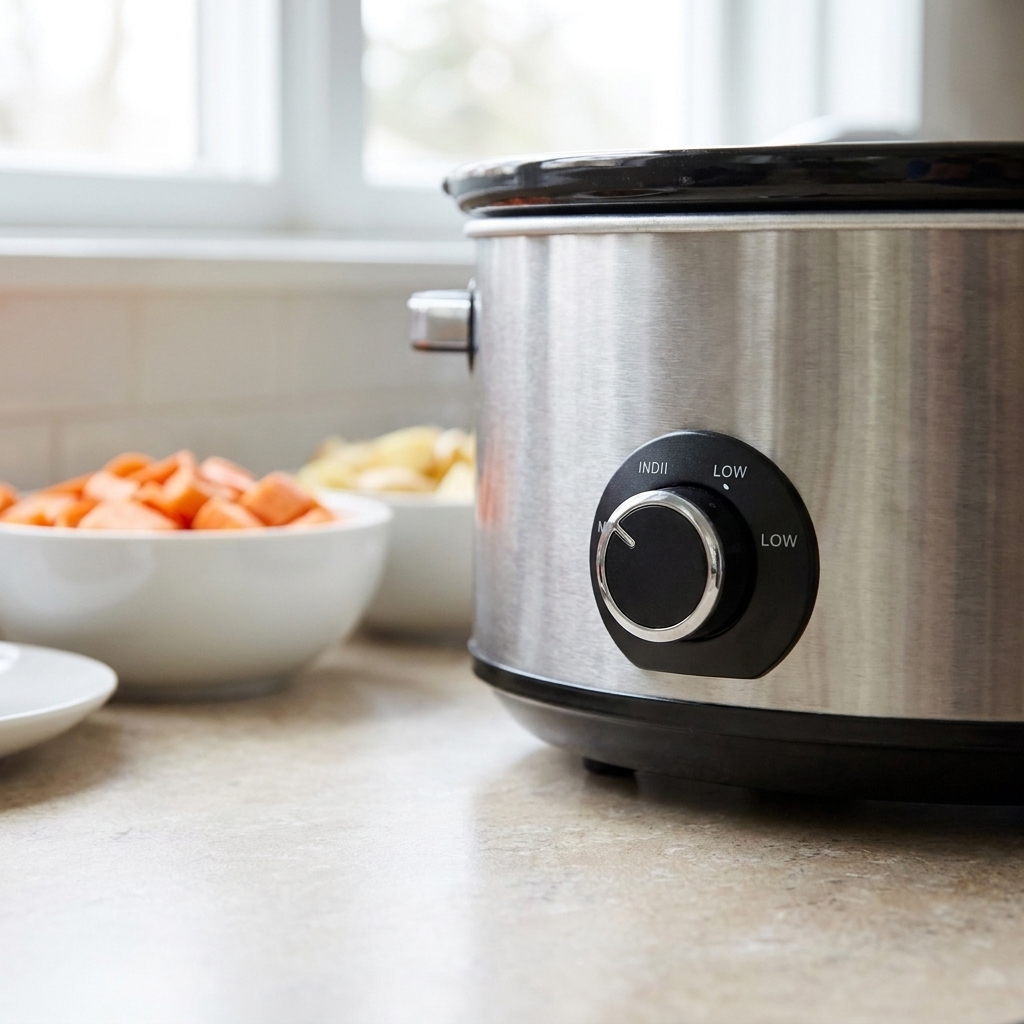
What changes on High
High is not just Low but faster. Here is what you may notice in real-life cooking:
- Lean meats dry out sooner. Chicken breast and pork loin can go from perfect to stringy quickly on High.
- Thickeners behave differently. Flour or cornstarch can clump if dumped in early. (More on the easy fix below.)
- More bubbling means more breakdown. Vegetables can get softer faster, and delicate ingredients can lose texture if they sit too long.
High is fantastic when you are short on time, but it rewards recipes that are naturally forgiving.
Best setting by dinner type
1) Big roasts (pot roast, pork shoulder)
Best setting: Low.
Tough, collagen-rich cuts love a long, gentle cook. Low gives the connective tissue time to break down without squeezing out as much moisture. If you must use High, plan on a shorter window and check earlier than you think.
2) Chicken (breasts vs. thighs)
- Chicken thighs: High or Low both work. Thighs are more forgiving and stay juicy.
- Chicken breasts: Low is safer for tenderness. If you do High, use plenty of sauce and start checking early.
3) Soups and chili
Best setting: Either one, depending on your clock.
Soups and chili are my favorite High-setting meals because the extra liquid protects ingredients from drying out. Still, add quick-cooking items later:
- Pasta: last 20 to 40 minutes on High (or cook separately)
- Rice: usually better cooked separately to avoid mush
- Leafy greens: last 10 to 20 minutes
4) Creamy meals (alfredo-ish sauces, creamy chicken, chowders)
Best setting: Low, and add dairy late.
Milk, cream, sour cream, and cream cheese can separate if they cook hard for too long. My reliable rule: cook the main ingredients first, then stir in dairy during the last 15 to 45 minutes, depending on the recipe.
5) Casseroles and pasta bakes
Best setting: Low when possible.
These tend to be thicker and can overcook around the edges on High. If you need High, grease the crock well and check for bubbling edges early.
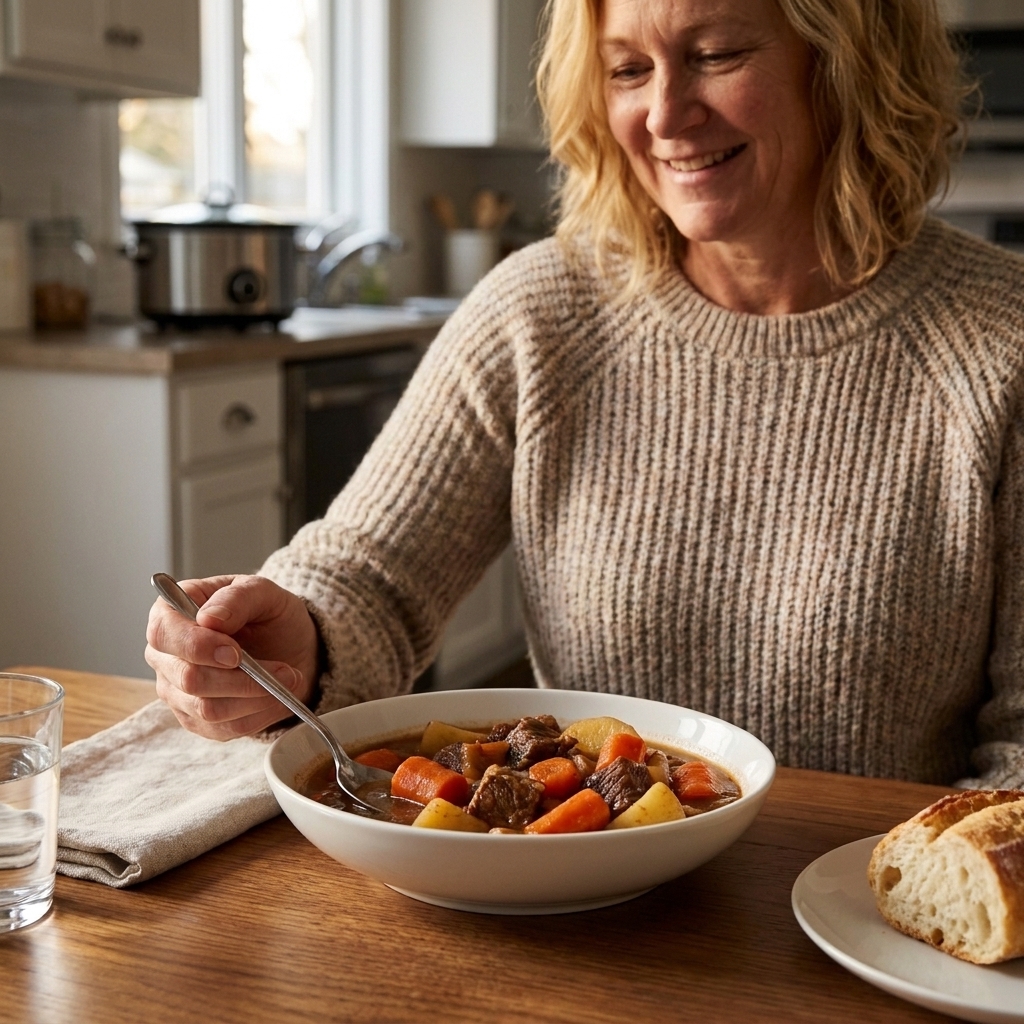
Lid lifting slows everything down
I know it is tempting to peek. I have peeked. But every time you lift the lid, you dump out heat and slow the whole process down.
- Avoid frequent peeking, especially early on. It can add roughly 15 to 30 minutes each time, depending on your cooker.
- If you need to add something late, be fast. Have it measured and ready.
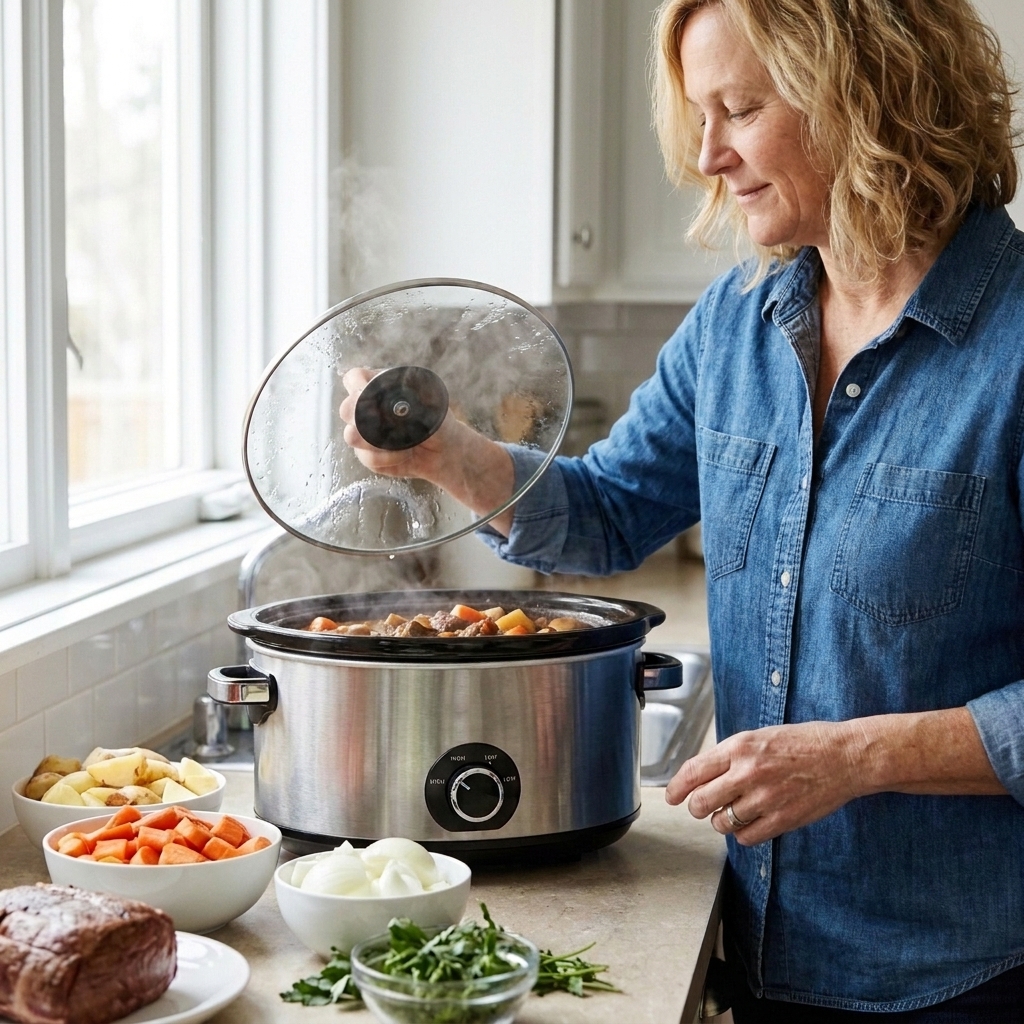
Convert Low time to High time
Sometimes. Not always perfectly, but this works as a practical rule of thumb:
- Low 8 hours is roughly like High 4 hours.
- Low 6 hours is roughly like High 3 hours.
Three caveats I want you to know:
- Some recipes do not scale neatly, especially thick casseroles and very large cuts of meat.
- Your specific slow cooker runs a little hotter or cooler than mine. The first time you try a conversion, build in wiggle room.
- Safety beats the clock. When in doubt, use a thermometer and cook to safe internal temperatures (for example, poultry to 165°F).
Food safety notes I never skip
Slow cookers are wonderfully safe when used correctly, but a few smart habits matter, especially on busy weekdays.
Frozen meat: thaw first
For food safety, it is best to thaw meat before slow cooking. Frozen meat can keep the whole pot in the temperature danger zone too long while it warms up. Yes, thin pieces may heat faster, but the conservative advice is still to thaw first.
Beans: boil kidney beans first
If you cook dry beans in the slow cooker, know that dry kidney beans should be boiled vigorously first to reduce a natural toxin (phytohaemagglutinin). A common safety guideline is to rinse and soak, then boil at least 10 minutes, then slow cook until fully tender. The issue is that slow cookers may not heat quickly enough to reliably deactivate the toxin early on.
Warm is for holding, not cooking
Warm is best for holding food that is already cooked, not for cooking from raw. Some Warm settings hold above 140°F reliably and some are more borderline, so check your manual and avoid long holds when you can.
Do not crack the lid to speed things up
Keeping the lid cracked can make cooking less predictable and keep foods from heating efficiently. If you need speed, use High or cut ingredients smaller.
Fill level matters
Most manufacturers recommend cooking with the crock about 1/2 to 2/3 full for best performance. Underfilling can cook faster and dry foods out. Overfilling can slow heating and push you into that not-hot-enough-not-fast-enough zone.
My favorite weeknight shortcuts
Cut ingredients smaller to finish earlier
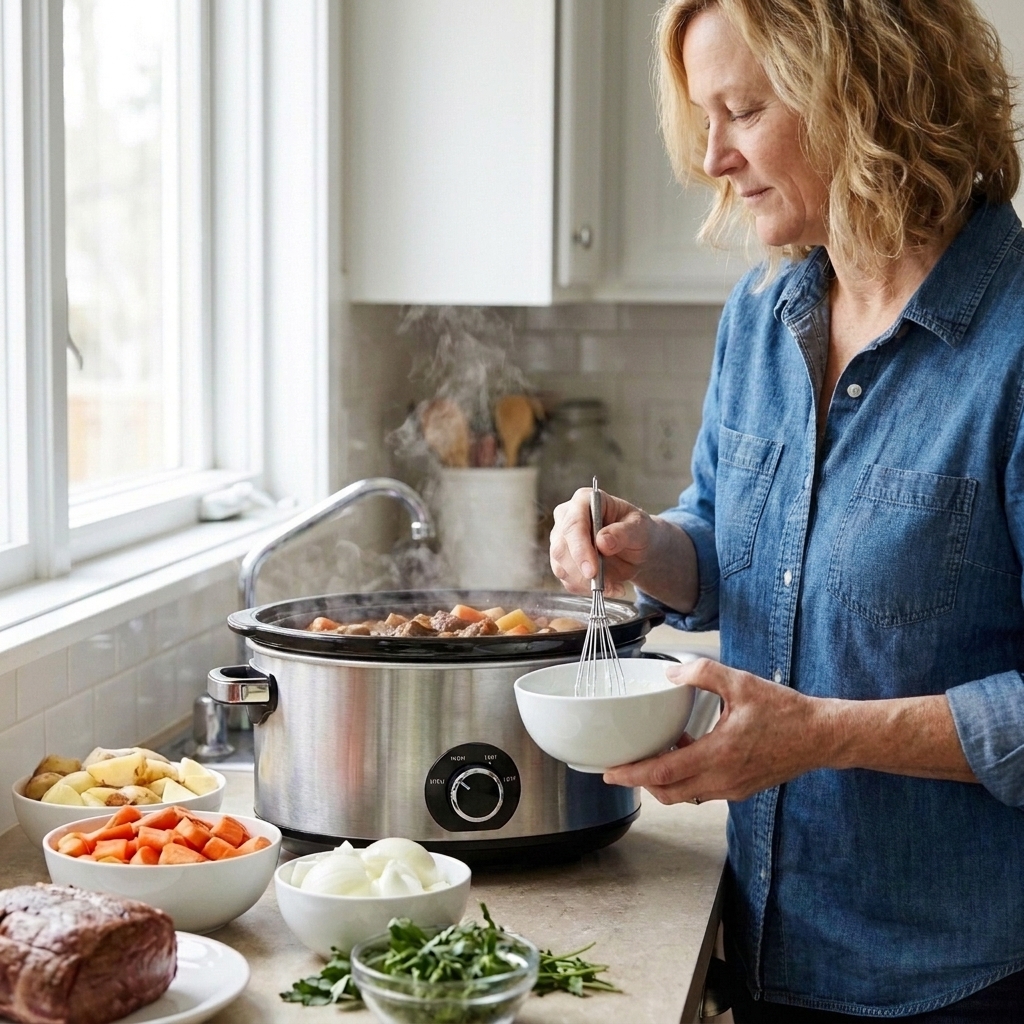
Smaller chunks of potatoes, carrots, and meat heat through faster. When I am using High, I cut root veggies into smaller, even pieces so they are tender by dinner.
Brown meat when you have 5 extra minutes
Not required, but it adds deeper flavor fast, especially for chili, pot roast, and beef stew. If your day is chaos, skip it with zero guilt and add a touch of Worcestershire or a spoonful of tomato paste for depth.
Thicken at the end
For stews, soups, and saucy dinners, I prefer thickening at the end so nothing turns gummy:
- Cornstarch slurry: stir together cornstarch and cold water, then stir into the hot liquid and cook 10 to 20 minutes on High.
- Mashed potatoes trick: mash a few cooked potato chunks right in the pot.
- Instant potato flakes: sprinkle in a little at a time (my pantry lifesaver).
Troubleshooting
“My meat is tough.”
- It likely needs more time, not less, especially for chuck roast or pork shoulder.
- If you cooked a lean cut on High, try switching to Low next time or choose thighs instead of breasts.
“My chicken is dry.”
- Cook chicken breasts on Low and start checking earlier.
- Use more sauce or broth, and avoid overfilling the pot with very lean protein and very little liquid.
“My veggies turned to mush.”
- Cut them larger.
- Put firm veggies (potatoes, carrots) on the bottom and more delicate ones (zucchini, peas) in later.
“It tastes bland.”
- Salt at the end can wake up slow-cooked food dramatically.
- Add acid right before serving: a squeeze of lemon, a splash of vinegar, or a spoonful of pickled jalapeño brine.
- Use stronger seasonings: onion powder, garlic powder, smoked paprika, chili powder, dried thyme.
My rule for busy families
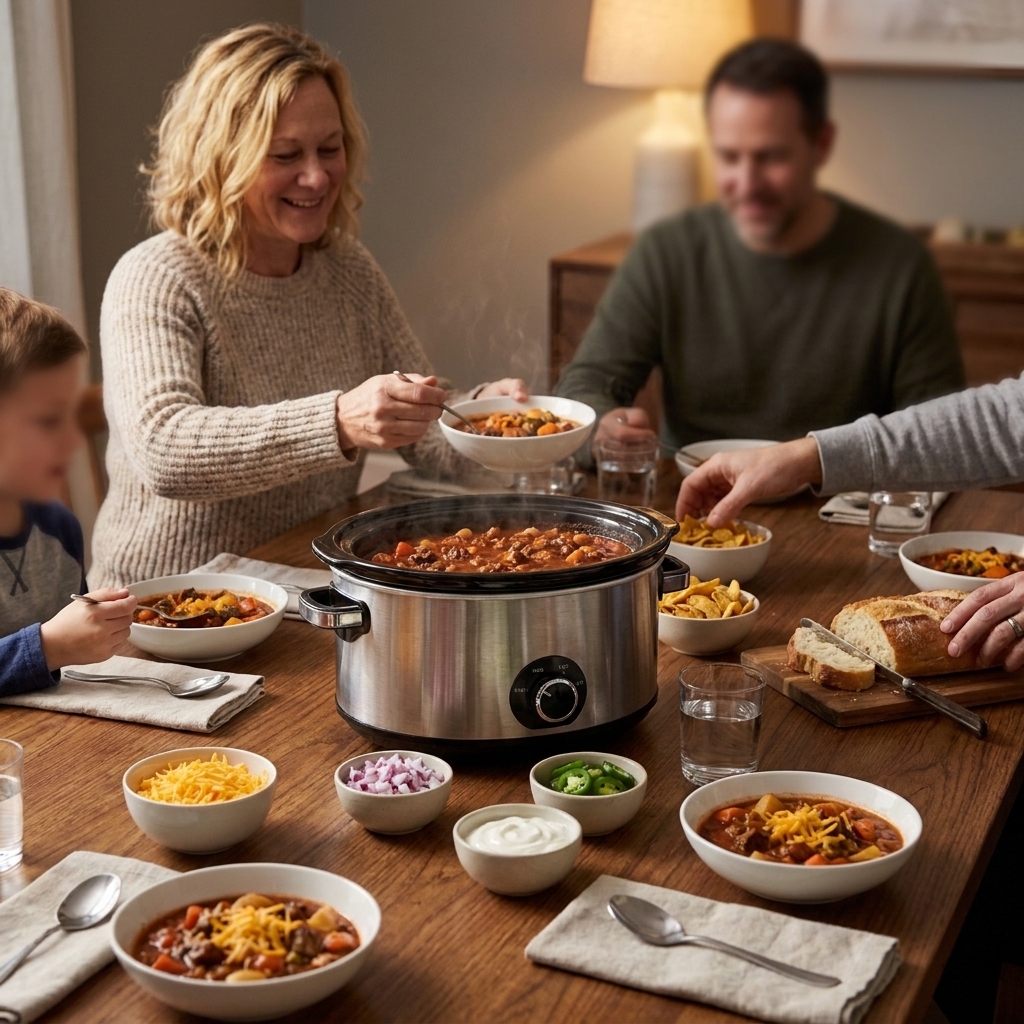
If I am leaving the house for the day, I use Low most of the time because it gives me the biggest cushion. If I am starting the slow cooker after lunch, I go High and choose a recipe that likes it: soups, chili, saucy chicken thighs, or meatballs.
And if you misjudge the day (it happens), remember this: you can often finish a meal by switching to High, but you cannot un-overcook it. When in doubt, pick Low and protect your dinner.
Quick FAQ
Is High always twice as fast as Low?
It is a useful rule of thumb, but not a guarantee. The fuller your slow cooker is and the colder your ingredients are, the less exact the conversion becomes.
Should I start on High, then switch to Low?
Yes, when you need a head start. High for 30 to 60 minutes helps the pot heat up, then Low finishes gently.
Can I leave a slow cooker on Warm all day?
Warm is best for holding food that is already cooked. If your slow cooker automatically switches to Warm, it is usually fine for a buffer window, but check your manual and aim to have the meal finish close to when you will eat.
What is the biggest mistake with High?
Using High for lean meats and then letting them sit too long. If you are doing chicken breasts or pork loin, Low is your friend.