If you have ever stood in your kitchen at 4:45 PM holding a package of stew meat and wondering whether you have the energy to babysit a pot, welcome. I love both tools, and I use both all winter long. The slow cooker is my weekday lifesaver. The Dutch oven is my cozy Sunday project pot.
But which one is better for soups and stews? It depends on what you need most that day: hands-off time, deep browned flavor, speed, or tight control over texture. Let’s break it down in a way that actually helps you decide.
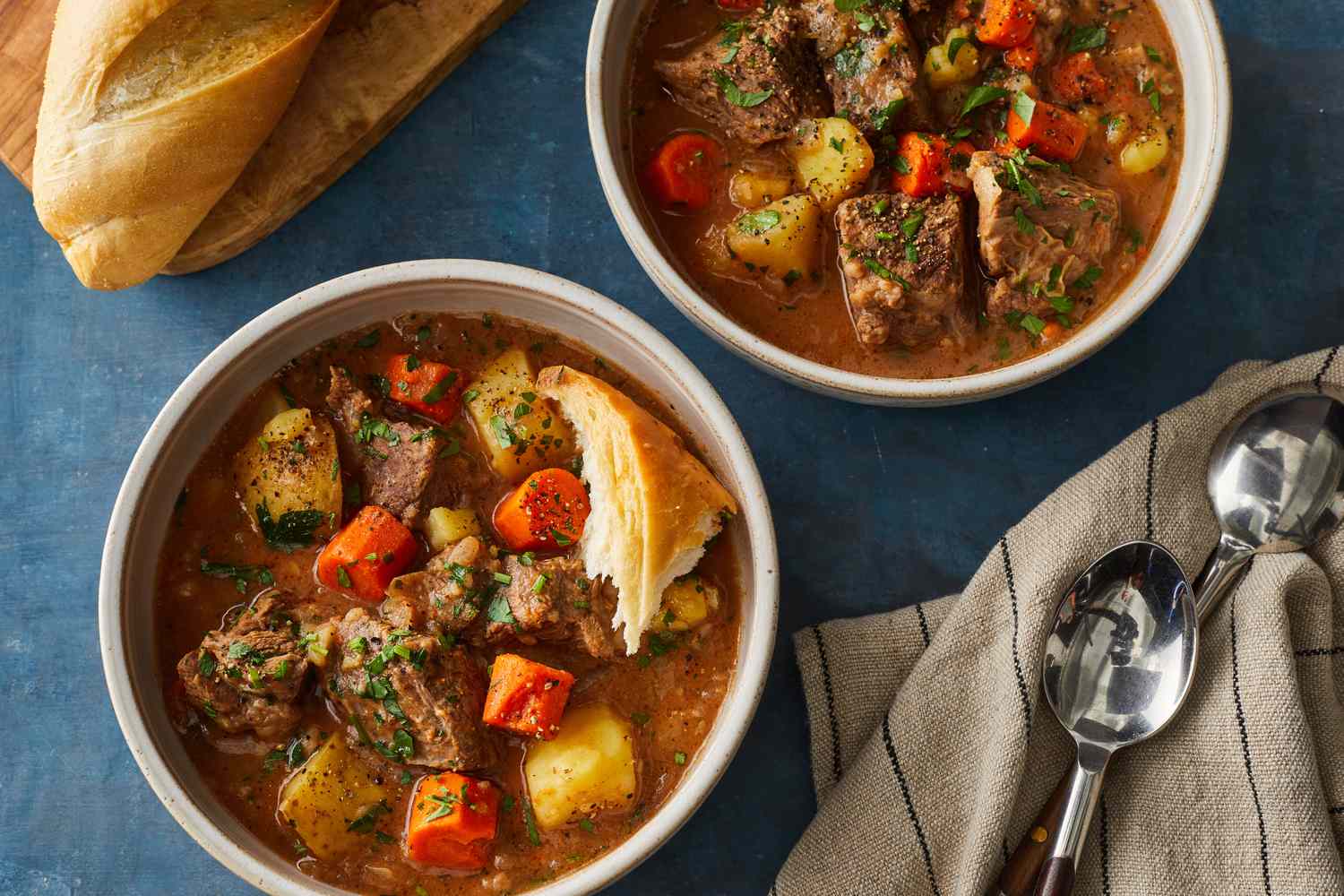
The quick verdict
- Choose the slow cooker when you want hands-off cooking, tender meat without fuss, and a hot meal waiting after work.
- Choose the Dutch oven when you want maximum flavor from browning, typically faster results, and precise control over thickness and doneness.
- Best of both worlds: Brown and sauté in a skillet or Dutch oven, then slow cook all day for the easiest “big flavor” compromise.
How they cook
Slow cooker: gentle, steady heat
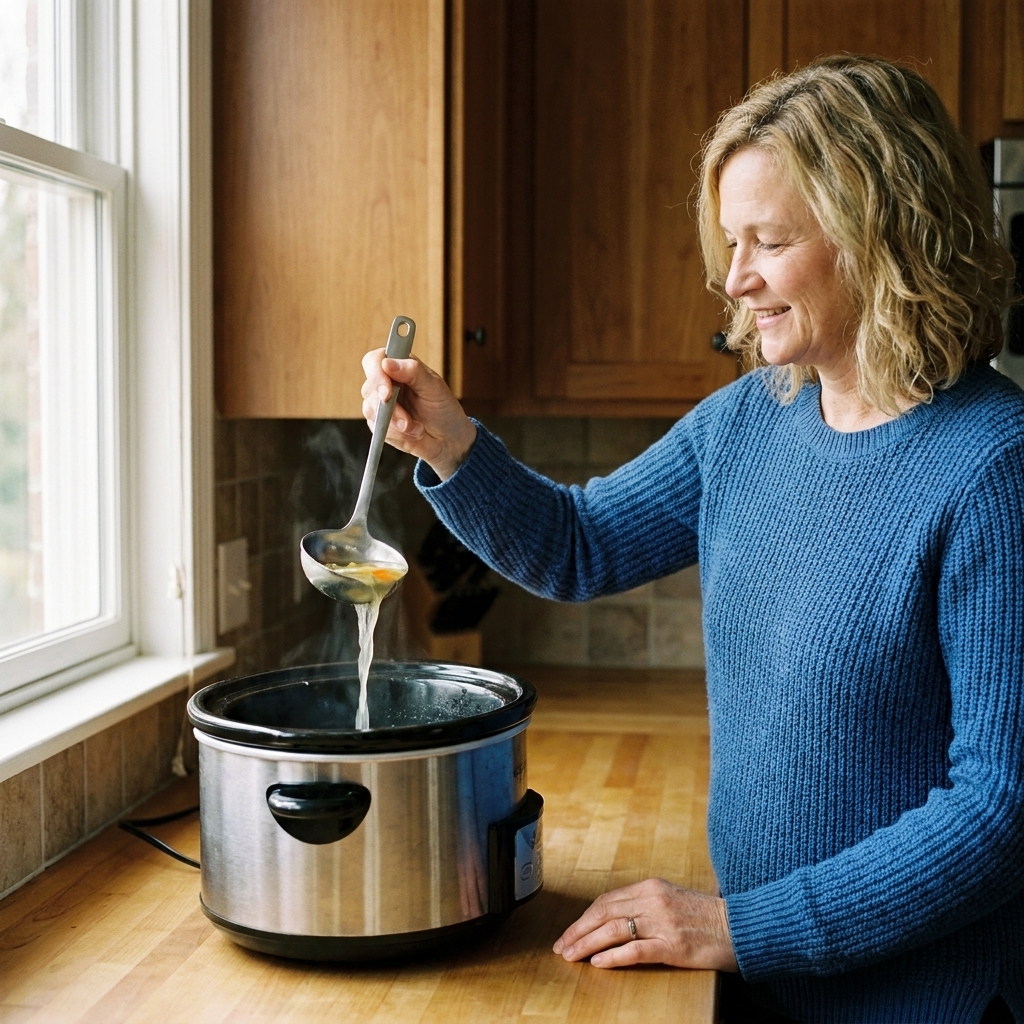
Slow cookers heat primarily from the sides (and sometimes the bottom), depending on the model, and hold a relatively low, steady temperature for hours. That long, gentle simmer is magic for tough cuts (chuck roast, pork shoulder, chicken thighs) and for days when you need dinner to cook while you live your life.
What it does best: breaks down collagen, keeps things moist, and forgives timing. If your meeting runs long, dinner is still fine.
Dutch oven: direct heat with quick responsiveness
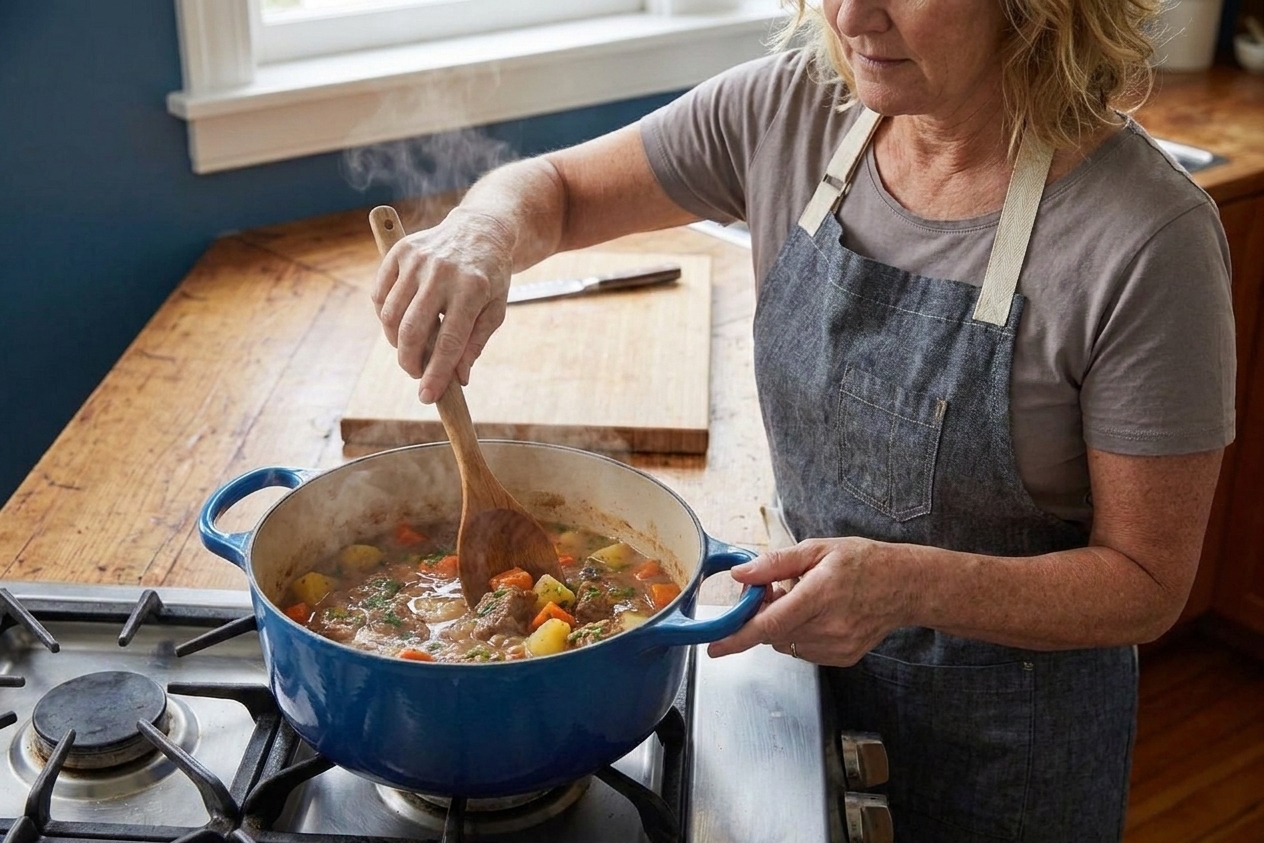
A Dutch oven sits over a burner (and often finishes in the oven). You can crank heat up for browning, dial it down for a low simmer, and reduce liquid quickly. It is responsive and precise.
What it does best: builds layers of flavor fast through browning and reduction, and lets you stop cooking the moment vegetables are perfectly tender.
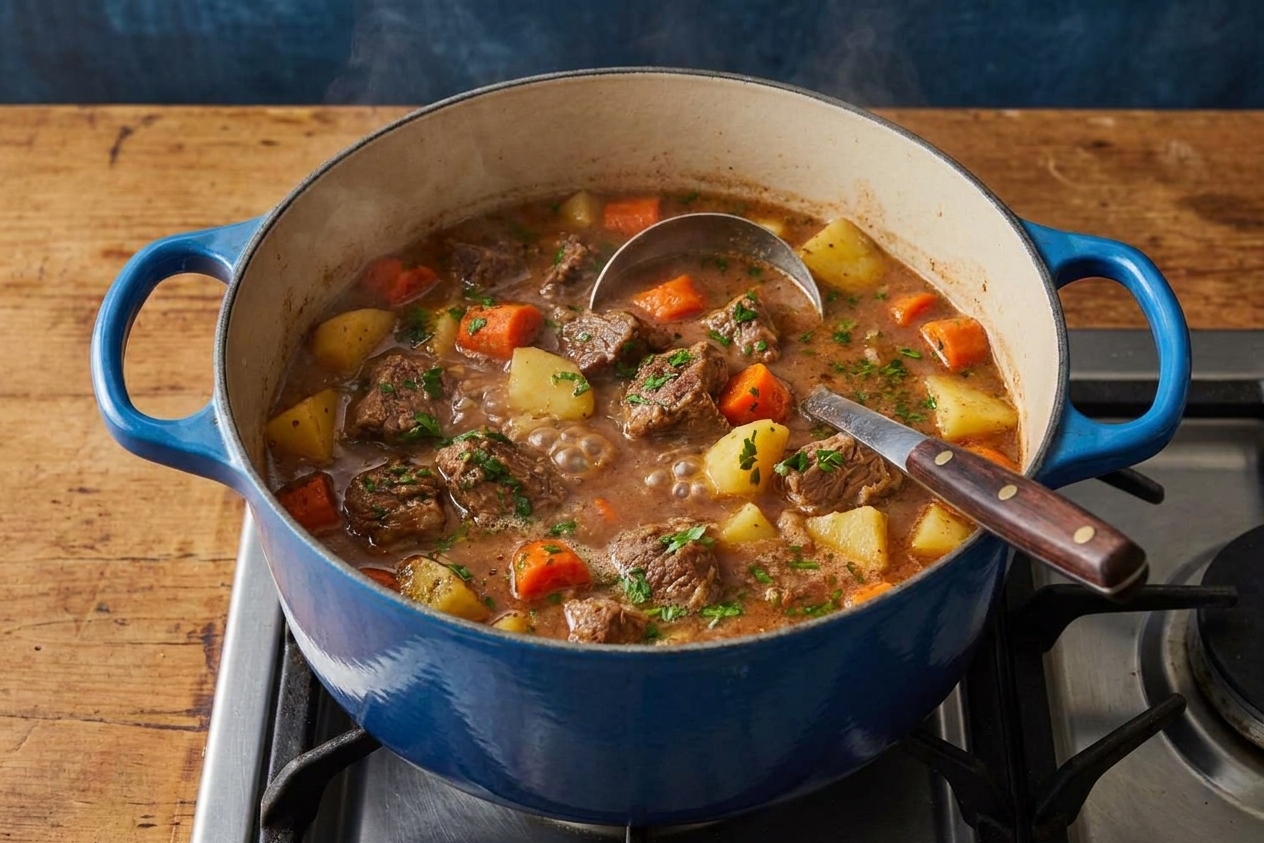
Flavor
Dutch oven wins for browned, layered flavor
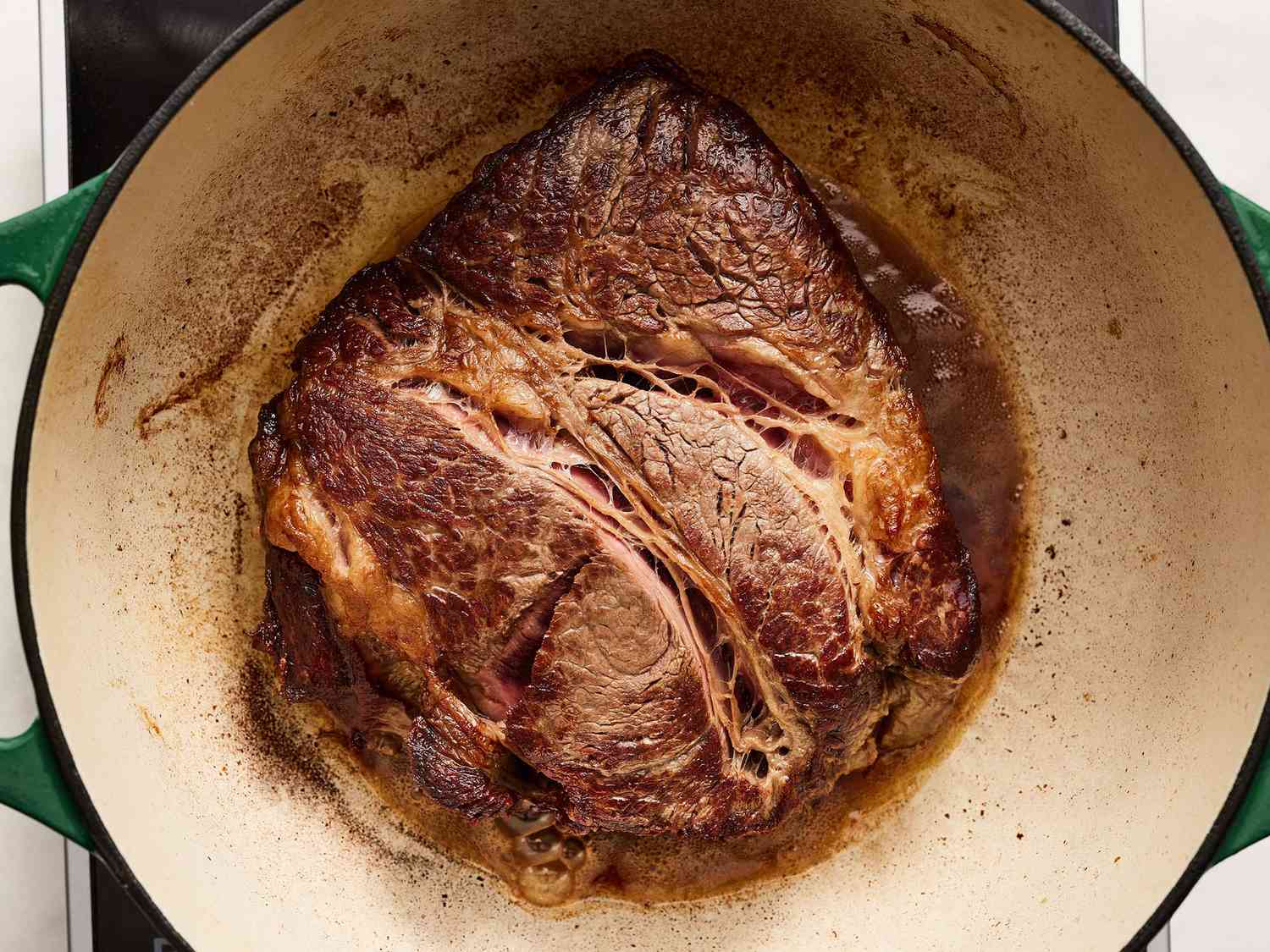
If you love the deep, savory taste you get from searing meat, toasting tomato paste, and softening onions until they turn sweet, the Dutch oven is your best friend. Browning creates fond (those delicious browned bits on the bottom), and fond turns into flavor when you deglaze with broth, wine, or even water.
Slow cooker can be just as delicious with one extra step
Slow cookers are fantastic at melding flavors, but they are not great browning machines. You can absolutely make wonderful soup in a crockpot, but if the recipe tastes a little “flat,” it usually needs one of these:
- Brown the meat first (skillet or Dutch oven).
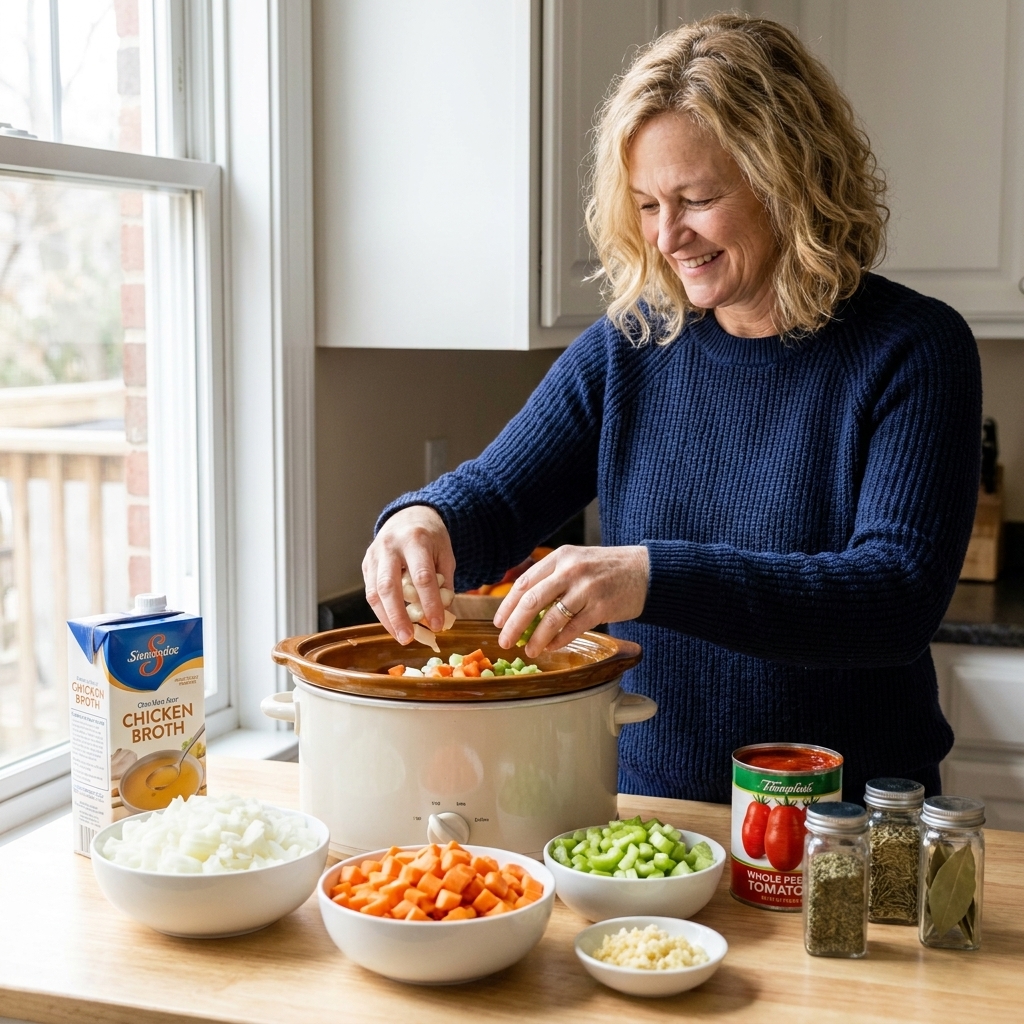
- Sauté aromatics (onion, garlic, tomato paste) for 5 to 8 minutes before adding.
- Finish with brightness: a squeeze of lemon, a splash of vinegar, or a handful of fresh herbs at the end.
Texture
Vegetables
Slow cooker: Vegetables get very soft because they sit in heat for hours. That is great for hearty stews, but less ideal if you want crisp-tender carrots.
Dutch oven: You decide when vegetables go in and when they come out. More control, more variety in texture.
Beans and lentils
Slow cooker: Lentils are easy. Canned beans are easy. Dry beans can be trickier because acidity (tomatoes, vinegar) can slow softening, and some slow cookers do not simmer vigorously enough depending on model.
One important safety note: do not cook dry kidney beans from scratch in a slow cooker without a hard boil first. Many food safety authorities recommend boiling kidney beans briskly for about 10 minutes before simmering to reduce lectins. If you want the easiest, safest option, use canned kidney beans in slow cooker soups and chilis.
Dutch oven: Better for dry beans if you want to monitor tenderness, simmer strength, and liquid level.
Pasta, rice, and dumplings
Slow cooker: I prefer adding pasta or rice near the end so it does not turn mushy. Dumplings can work well on high for the final stretch if you keep the lid on.
Dutch oven: Easier to time pasta and rice perfectly and reduce the broth if things get too soupy.
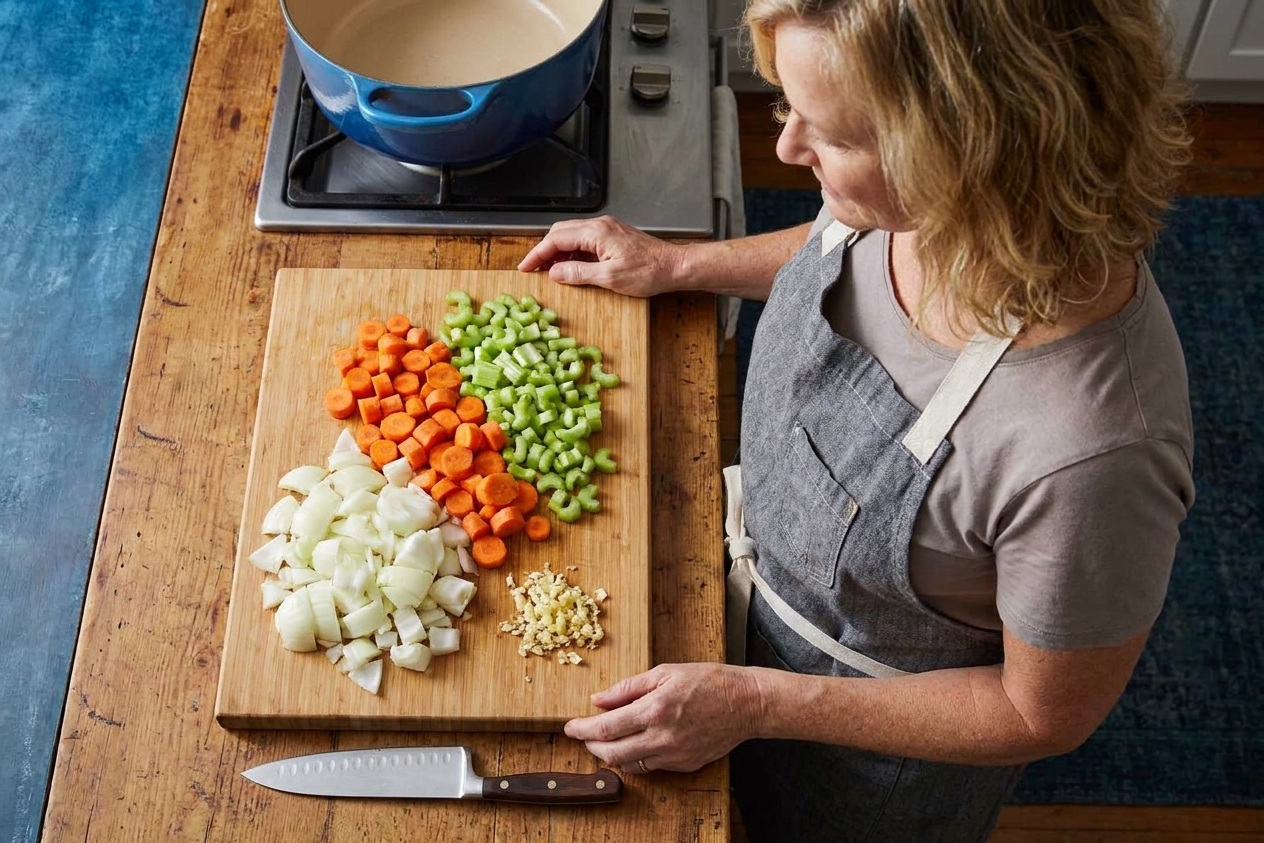
Time and convenience
Slow cooker wins for hands-off cooking
This is the point. You can dump ingredients in at 7 AM, head out the door, and come home to a meal that is ready now. For busy families, that is not a small thing. It is a real relief.
Dutch oven can be faster start to finish
If you are home and can keep an eye on it, a Dutch oven stew is typically done in 60 to 120 minutes, depending on the recipe and the cut of meat. A slow cooker stew typically needs 6 to 10 hours. So the Dutch oven can be the “faster dinner” if you start after work and still want to eat by 6:30.
Cleanup and logistics
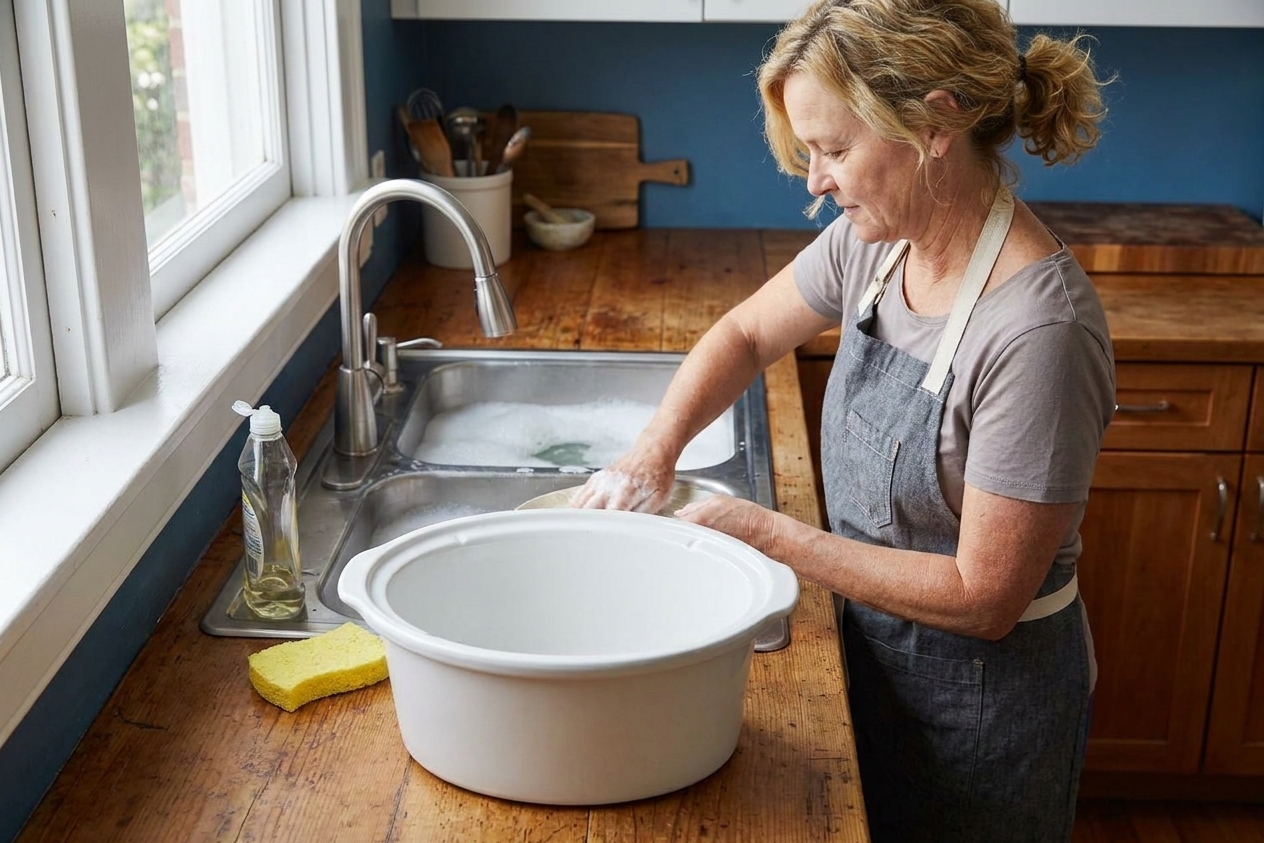
Slow cooker: fewer steps, usually fewer dishes
If you truly dump-and-go, cleanup is often just the crock and lid. Many inserts are dishwasher-safe, which matters on a weeknight.
One small note: if you brown meat and sauté aromatics first, you add a skillet. Still worth it when you want that extra flavor.
Dutch oven: one pot, but more hands-on
A Dutch oven is a single-pot dream for searing, sautéing, simmering, and serving. But you are at the stove stirring, scraping, adjusting heat, and keeping an eye on sticking. The pot is also heavy, which is not a deal breaker, just real life.
Cost and versatility
Slow cooker: Generally more affordable, especially if you thrift one (my favorite hobby). Great for soups, stews, shredded meats, oatmeal, hot chocolate, and keeping food warm for parties.
Dutch oven: More of an investment, but incredibly versatile. You can sear, fry, bake bread, braise, and simmer. If you cook a lot, a good Dutch oven earns its keep.
A quick note on multicookers: If you are eyeing a slow cooker but wish it could brown too, some newer slow cookers and multicookers have a built-in sauté function. It can be a nice middle ground when you want one appliance to do more.
Best uses
Slow cooker favorites
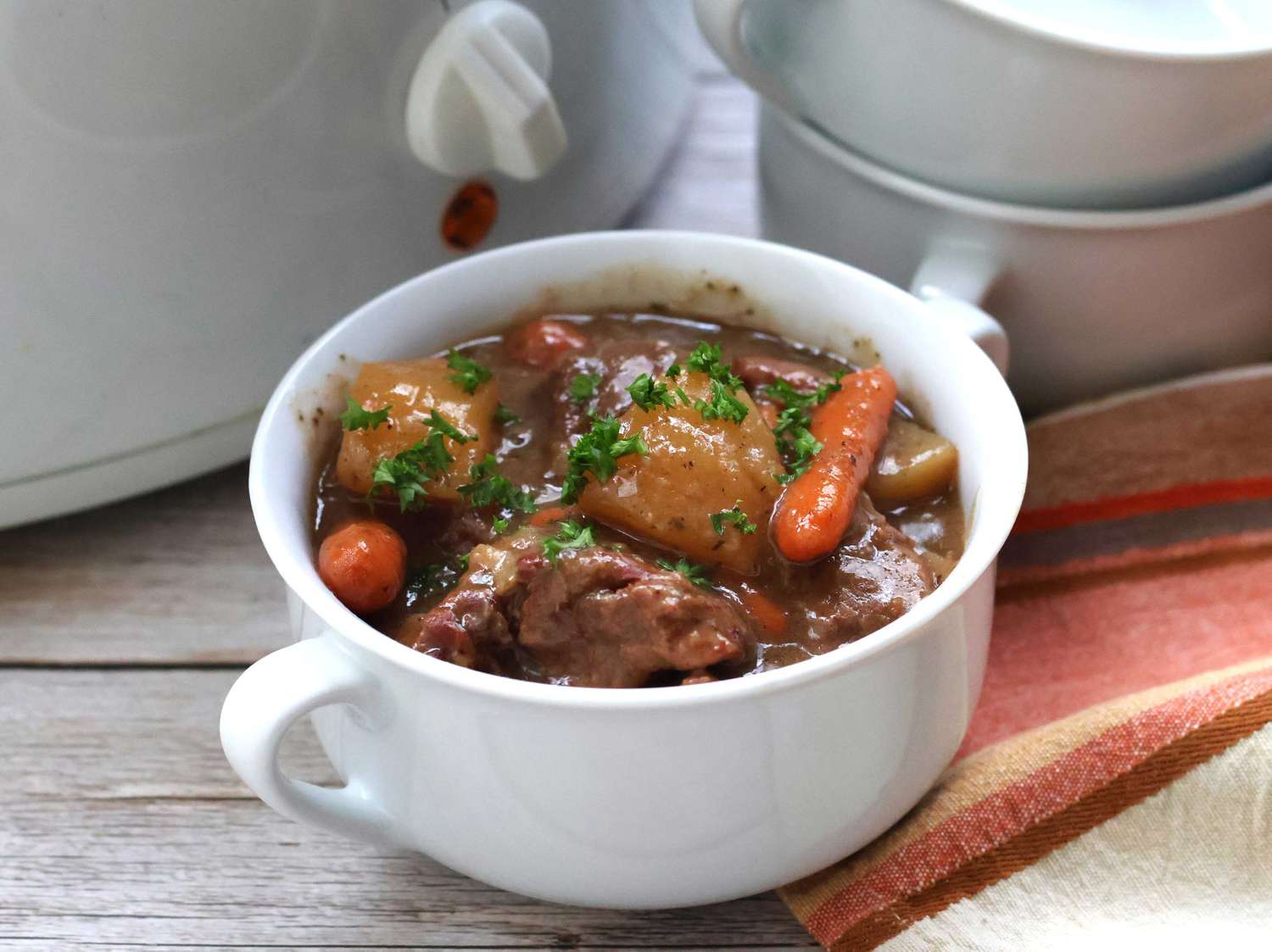
- Beef stew with chuck roast (melts into tenderness)
- Chicken tortilla soup (easy shredding)
- Chili (flavors meld all day)
- Pot roast style stews with hearty root veggies
- Split pea soup (set it and forget it)
Dutch oven favorites
- Minestrone (timed veggies and pasta)
- Seafood chowders (delicate proteins)
- French onion soup (caramelization matters)
- Quick weeknight soups that are done in under an hour
- Anything you want to reduce for a thicker, glossy finish
Tips for either pot
Make slow cooker soup less watery
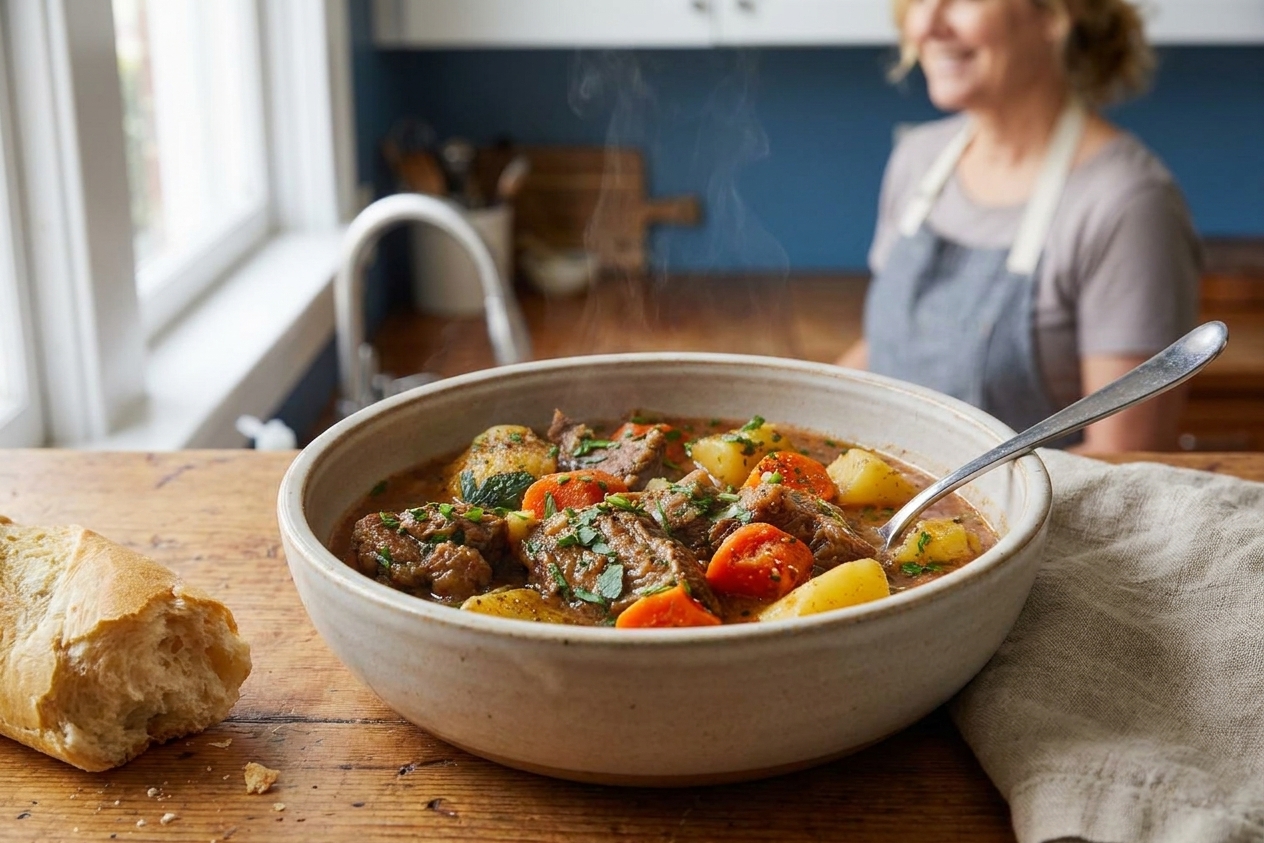
- Use less broth than you think. Slow cookers trap moisture, so you rarely need as much liquid as a stovetop recipe. As a rule of thumb, start with about 25 percent less liquid, then loosen at the end if needed.
- Leave the lid on. Every peek slows cooking and lets heat escape.
- Thicken at the end. Mash a cup of beans or potatoes, stir in a cornstarch slurry, or add instant mashed potato flakes a teaspoon at a time.
- Finish with acid and herbs. Lemon juice, red wine vinegar, or fresh parsley makes flavors pop.
Keep Dutch oven stew from drying out or sticking
- Lower the heat than you think. A gentle simmer beats a hard boil for tender meat.
- Stir and scrape occasionally. Especially after adding flour or tomato paste.
- Use the oven for steady heat. After you build the base on the stove, a low oven braise gives even cooking with less babysitting.
Slow cooker safety basics
- Start with thawed meat. Slow cookers heat slowly, and frozen chunks can keep food in the temperature danger zone too long.
- Do not overfill. Most slow cookers work best filled about half to two-thirds full so heat can circulate.
- Preheat if your model calls for it. Some brands recommend preheating the crock on high for a short time, especially for soups.
- When in doubt, use canned beans. It is simple, consistent, and avoids the kidney bean issue entirely.
Which to buy first?
If you are building a kitchen from scratch and your main goal is getting dinner on the table with the least stress, I would start with a slow cooker. It gives you time back, and that matters in a busy season.
If you already cook often and want to level up flavor, searing, and all-purpose versatility, a Dutch oven is a wonderful second “forever” piece.
And if you already own both, you are in the sweet spot. Use the Dutch oven when you want to cook. Use the slow cooker when you want dinner to cook itself.
FAQ
Can a slow cooker replace a Dutch oven for soups and stews?
For many soups and stews, yes. You can get very close, especially if you brown meat and sauté aromatics first. What you cannot fully replicate is quick reduction and that deep fond-driven flavor that happens when you sear directly in the same pot.
Why does slow cooker soup taste bland sometimes?
Usually it is one of three things: no browning step, too much liquid, or not enough salt and acidity. Try less broth, a spoonful of tomato paste (sauté it if you can), and finish with lemon or vinegar.
Is it safe to leave a slow cooker on all day?
When used correctly and in good condition, slow cookers are designed for long, unattended cooking. Keep it on a stable, heat-safe surface, follow your model’s instructions, and do not overfill. If your slow cooker is very old, check the cord and plug for wear and consider upgrading if anything seems questionable.
Can I put a Dutch oven in the slow cooker to keep it warm?
No, I would not. Use the slow cooker’s own insert for warming, or keep the Dutch oven on the stovetop over the lowest heat, or in the oven on a low keep-warm setting if your oven has one.