If you've ever stood over your slow cooker at 7:30 AM thinking, “High or Low?” you're not alone. I used to treat the settings like a personality quiz. Now I keep it simple: the best temperature depends on the cut, how much fat and connective tissue it has, and how thick it is.
This guide will help you pick the right setting for the meat you have, so you get the tender, pull-apart results we all want without drying things out or coming home to something tough.
High vs. Low: what changes
Both settings are designed to eventually bring food to a safe, simmering temperature. The difference is how fast you get there.
- Low heats gradually, giving collagen-rich cuts time to melt into that silky, shreddable texture.
- High gets to temperature faster, which can be helpful for smaller pieces or leaner meats, but it can also tighten proteins and dry them out if the cut needs a long collagen breakdown.
My mom rule: If the meat is “tough until it's tender” (think chuck roast), choose Low. If it's “tender until it's tough” (think chicken breast), be careful with long cook times and use High for shorter or Low for a shorter window.
Two things that matter most
1) Collagen and connective tissue
Shoulder, chuck, shanks, and ribs are loaded with connective tissue. They often taste chewy at 3 to 4 hours, then magically turn tender later. That's collagen converting to gelatin. Low gives you the widest “tender zone.”
2) Thickness and shape
A thick roast heats through more slowly than thin cutlets. High can cook the outside aggressively while the center catches up, especially in smaller slow cookers that run hot. Thick roasts usually do better on Low unless you're truly pressed for time.
Best settings by meat type
Times below assume a typical 4 to 6 quart slow cooker that's at least half full but not packed to the lid. Every model runs a little different, and many newer ones run hotter than the old-school crockpots, so treat these as ranges and learn your pot. When it really matters, use a thermometer and pull lean meats as soon as they hit a safe temp.
Beef
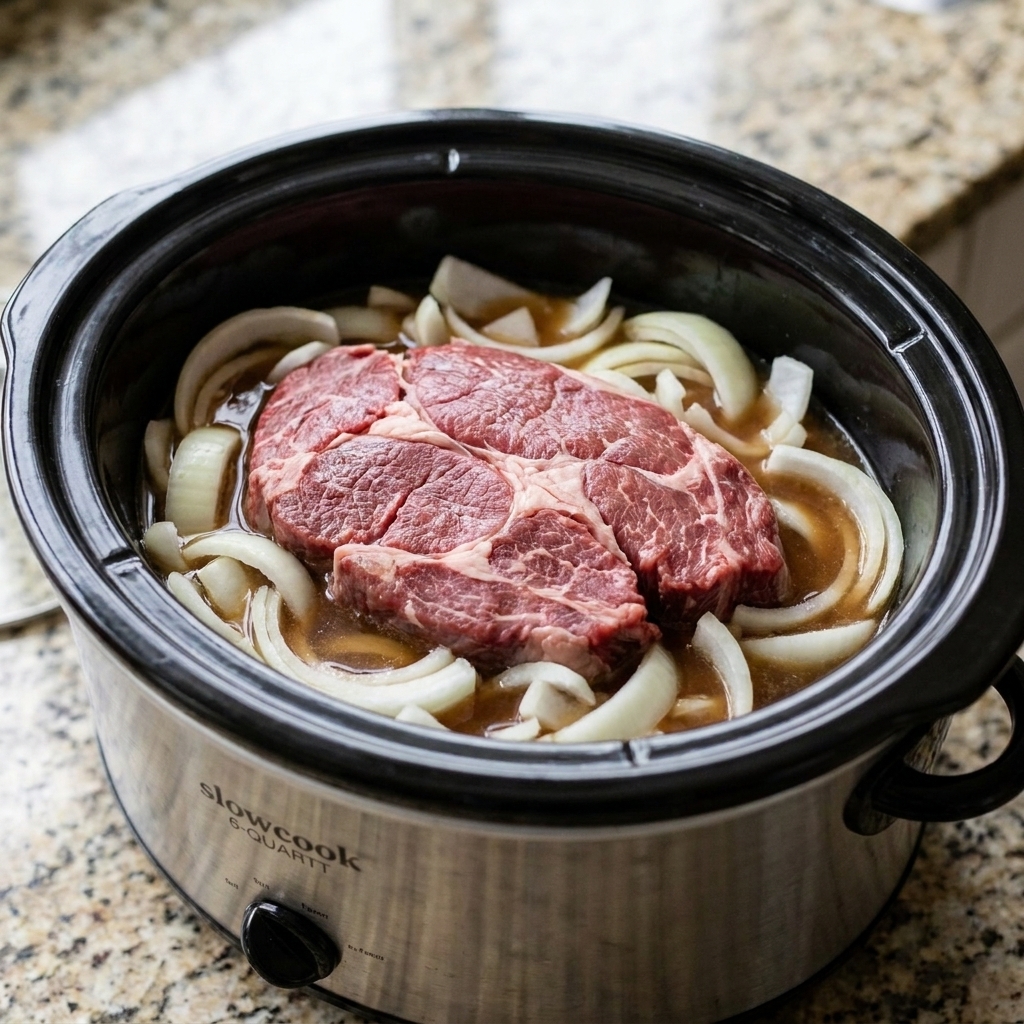
- Chuck roast (pot roast): Low is best for shreddable, sliceable tenderness. Aim for 8 to 10 hours on Low or 4 to 6 on High. If you pick High, expect a narrower window between “tender” and “dry edges.”
- Brisket: Low. Brisket loves time. Plan 8 to 10 hours on Low (smaller flats sometimes finish closer to 7 to 8). High can work, but it's easier to overcook the flat and end up crumbly. Also, a slow cooker brisket can be delicious, but it will not mimic smoked brisket texture.
- Round roast (top/bottom round): This is lean. Choose Low and do not overdo the hours. Think 7 to 9 on Low. Add enough liquid and plan to slice instead of shred.
- Short ribs: Low for the win. 7 to 9 on Low or 4 to 5 on High.
- Stew meat (beef cubes): If it's chuck-based, Low gives the most tender stew, usually 7 to 9 on Low. High is fine for a weeknight push, 3.5 to 5 on High, but check earlier.
Pork
- Pork shoulder (butt) for pulled pork: Low. It's fatty and collagen-rich, and it rewards patience. Plan 8 to 10 hours on Low or 5 to 7 on High. I like Low because it stays juicy even if dinner runs late.
- Pork loin: Leaner than shoulder and easy to dry out. Use Low for a shorter cook, often 3 to 5 hours on Low for a 2 to 3 pound loin, and start checking early. Pull it when it reaches temp and still slices juicy.
- Ribs (baby back or spare): Both work, but for the most forgiving results choose Low for 7 to 8 hours. High is more like 3 to 4 hours and can be great when you're starting after lunch.
- Ham (fully cooked): You're reheating, not cooking. Use Low for gentle warming, roughly 2 to 4 hours on Low depending on size, with a little liquid to keep it moist.
Chicken
- Chicken thighs (bone-in or boneless): More forgiving and flavorful. Low for 5 to 7 hours or High for 2.5 to 4 hours. Thighs are my choice for all-day cooks.
- Chicken breasts: Lean and easy to overcook. For average 6 to 8 ounce breasts, I like Low for 2.5 to 4 hours or High for 1.5 to 2.5 hours, then pull them as soon as they hit 165°F and shred easily. Bigger breasts can take longer, but they still have a small “perfect” window.
- Whole chicken: If it fits comfortably and you can keep the lid closed, Low is usually best. For a 3 to 4 pound bird, plan about 6 to 7.5 hours on Low and cook until the thickest part hits 165°F. If it goes too long, the texture can get a little soft, so start checking earlier rather than later.
Turkey
- Turkey breast: Lean like chicken breast. Use Low and plan 4 to 6 hours depending on size. If you do High, start checking early and pull it as soon as it reaches temp.
- Turkey thighs/drumsticks: Dark meat handles longer cooks better. Low for 6 to 8 hours or High for 3 to 4.5 hours.
Lamb
- Lamb shoulder: Low. It's built for slow cooking. Plan 7 to 9 hours on Low or 4 to 6 on High.
- Lamb shanks: Low for that fall-off-the-bone finish, usually 7 to 9 hours.
Game meats (venison, elk)
These are usually very lean. If you slow cook them, treat them like the leanest beef roast: choose Low, use enough liquid or sauce, and do not run them for an extra-long time “just because.” If you can, cook with added fat (bacon, olive oil, or a fattier cut mixed in).
Quick cheat sheet
- Choose Low for: chuck roast, brisket, pork shoulder, short ribs, lamb shoulder, shanks, stew meat.
- High works best when: the meat is smaller pieces, you're starting late, or the cut is already tender and you just need it cooked through.
- Be careful with all-day cooks for: chicken breasts, pork loin, turkey breast, very lean beef roasts.
Size matters
Here's the simplest way I explain it to my kids: bigger cuts need gentler heat for longer.
- Small roast (2 to 3 pounds): Low is still great, but your cook time may be closer to the low end of the range.
- Large roast (4 to 6+ pounds): Low is almost always the safer pick for even tenderness. If you use High, you usually cannot rotate or reposition the roast mid-cook, so start checking earlier than you think.
- Cut into chunks: Meat chunks heat faster. You can often use High without issues, especially for thighs, stew, or saucy shredded chicken, but still do not push lean meat too long.
Food safety and doneness
I'm a busy mom, so I love rules I can repeat. Here are the ones that keep you safe and keep dinner tender.
Use temp for safety, texture for timing
- Poultry (including ground chicken and turkey): Cook to 165°F in the thickest part.
- Pork: For whole cuts, 145°F is the safe minimum with rest time, but for pulled pork you're going far beyond that for texture.
- Beef and lamb: Minimum safe temps depend on the cut and prep, but in slow cooker recipes we often cook roasts well past “steak temps” to break down collagen.
For shredding, go past “safe”
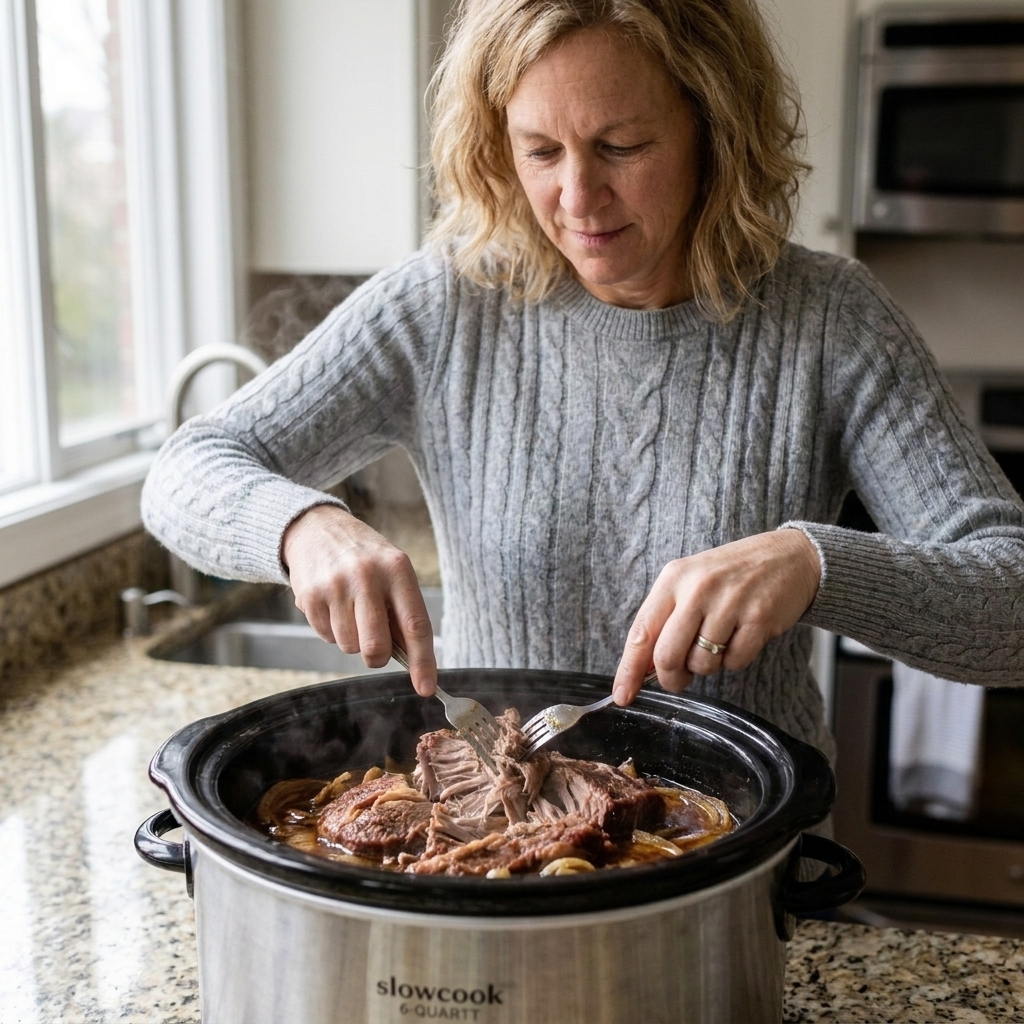
If you want that easy pull-apart texture, internal temperature often shreds best around 195°F to 205°F for collagen-rich cuts like chuck and pork shoulder. It's not a magic number. Some pieces shred a bit lower, and some need a little longer.
Don't start from frozen
Slow cookers heat slowly by design. Starting with frozen meat can keep it in the temperature danger zone too long. Thaw in the fridge first when you can.
Lid rules
Every time you lift the lid, you can lose a lot of heat and add cooking time. Peek only when you're near the end of the range.
When High is better
I use High more than people think, just not blindly.
- You're cooking smaller pieces: meatballs, boneless thighs, chicken tenderloins, stew cubes in plenty of liquid.
- You're starting late: turning a “Low all day” roast into a “High half day” dinner.
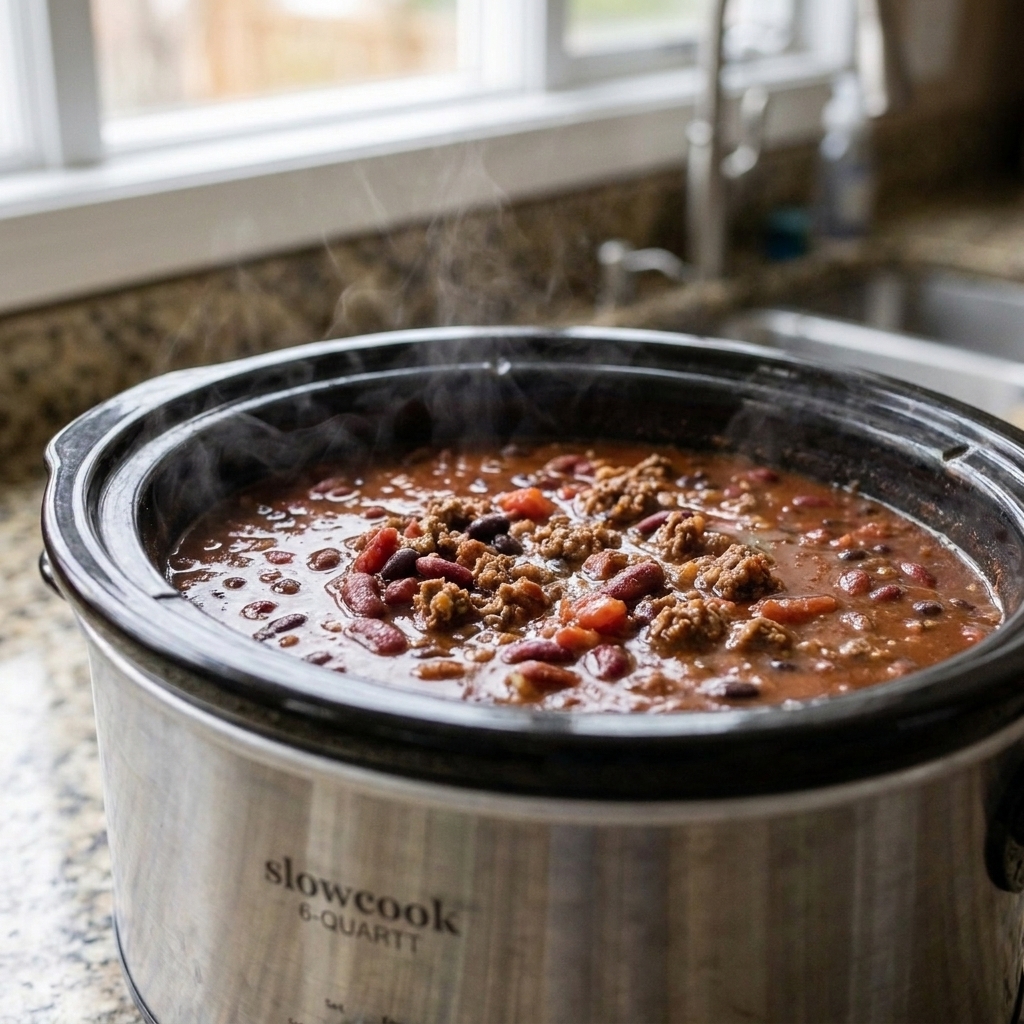
- You have a very saucy recipe: chili, BBQ chicken, meat in salsa or marinara. Liquid buffers the heat and helps prevent drying.
- You need to bring the pot up to temp faster: especially if your kitchen is chilly or your ingredients were very cold.
When Low is non-negotiable
- Big, tough cuts: chuck roast, brisket, pork shoulder, lamb shoulder, shanks.
- Any time you need a wide finishing window: If pickup runs late or practice goes long, Low is more forgiving.
- Lean cuts you cannot babysit: If you'll be gone all day, choose a different cut (thighs instead of breasts, shoulder instead of loin) rather than relying on High.
My rescue plan
“It's tough, so I guess it's overcooked?”
Not always. For collagen-rich cuts, tough often means under-cooked. Put the lid back on and give it another 45 to 90 minutes, then check again.
“It's dry and stringy.”
This is common with lean meats (especially chicken breast and pork loin) when they go too long. Next time, shorten the cook time or switch to Low and check earlier. In the moment, toss the meat back into its juices or sauce and let it sit on Warm for 15 to 20 minutes before serving.
“My roast is tender but bland.”
Slow cooking needs enough salt and a little acidity. Finish with a splash of vinegar, lemon juice, or a spoonful of mustard. It wakes everything up without making it taste sour.
“There's too much liquid.”
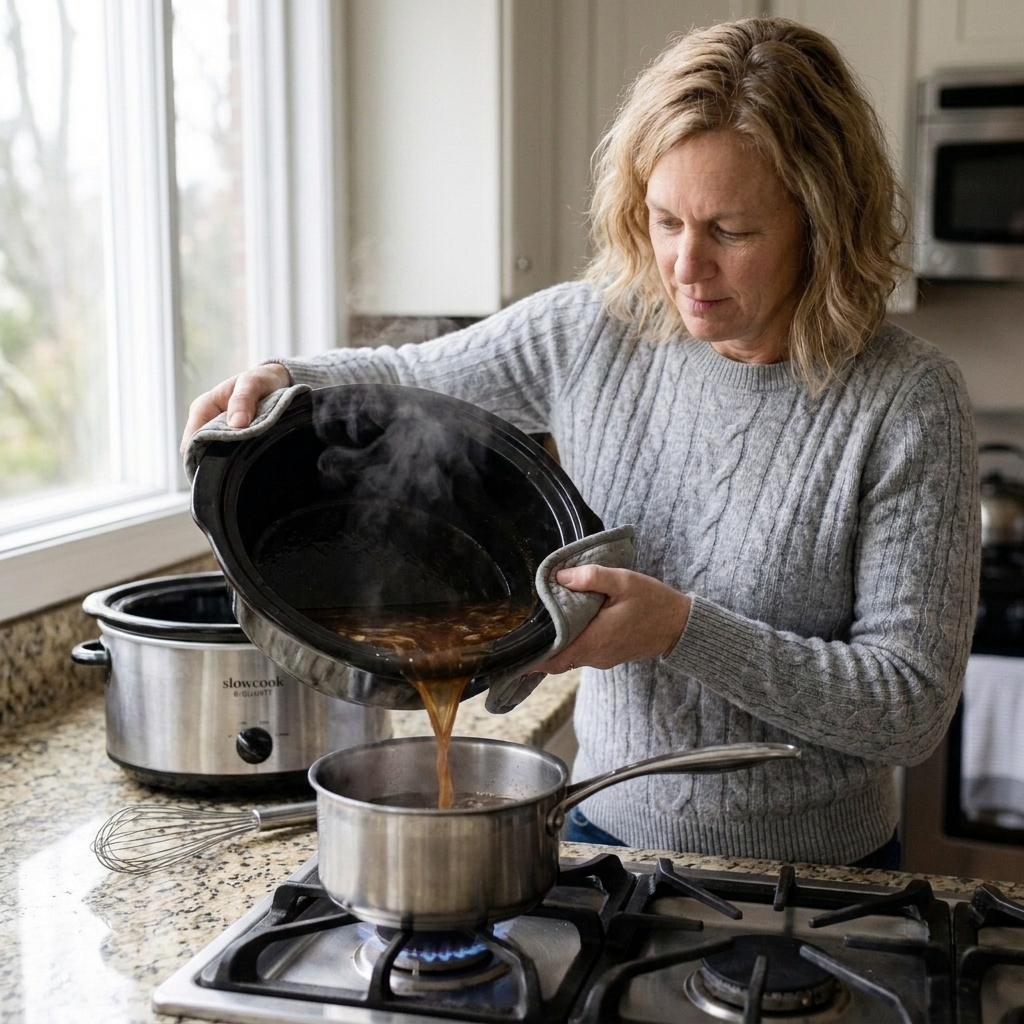
Slow cookers trap moisture, so you rarely need much. For next time: reduce added broth. For tonight: remove the meat, pour liquid into a saucepan, and simmer 10 to 15 minutes to concentrate, then pour it back over the meat.
Slow cooker temp FAQs
Is High as good as Low if I cook it half the time?
Sometimes, but not always. For tough, collagen-heavy cuts, Low gives you more consistently tender results. High can work, but it's easier to hit that in-between stage where the meat is cooked but not yet tender.
Does Low mean safer?
Both settings are safe when used correctly, but safety depends on getting food up to temperature in a reasonable time and not starting from frozen. Keep the lid on, thaw meats first, and follow cook time ranges.
What about the Warm setting?
Warm is for holding food after it's cooked, not for cooking raw meat. Some Warm settings run cooler than you'd expect, so if you plan to hold food for hours, check your manual and make sure it's staying hot enough to be safe. When in doubt, don't hold it all night.
Should I brown meat first?
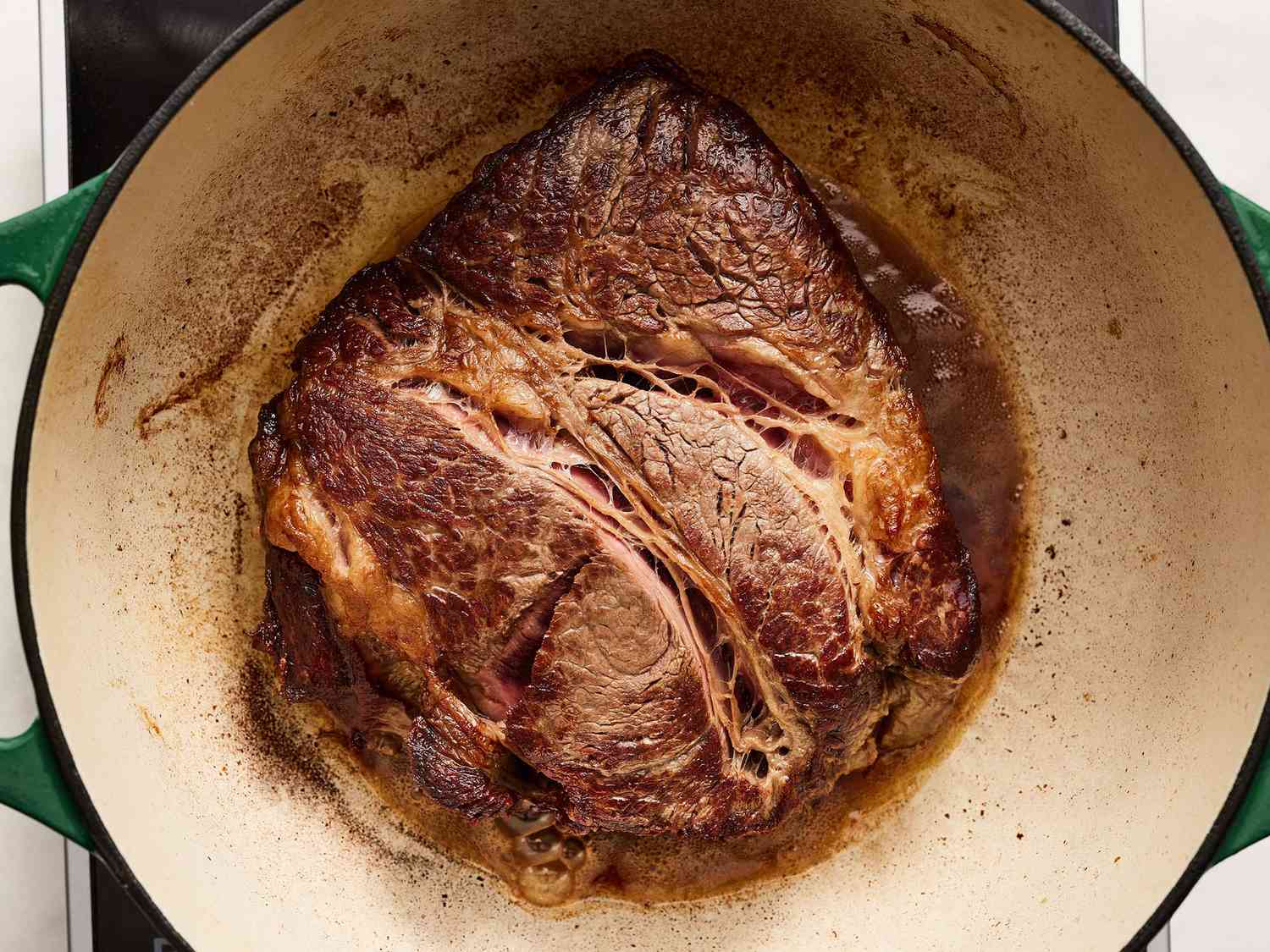
For roasts and short ribs, browning adds real flavor. Do it when you can, skip it when you cannot. Dinner will still be good, and I'm not here to make your morning harder.
Should I add dairy or thickeners at the start?
If your recipe uses cream, milk, sour cream, or cream cheese, it's usually best to stir it in near the end so it stays smooth. The same goes for quick thickeners like cornstarch slurry: add it in the last 15 to 30 minutes so you can control the texture.
The bottom line
If you only remember one thing, make it this: Low is best for big, tough, collagen-rich cuts. High is a useful tool for smaller pieces, saucy recipes, and time crunches, but it's less forgiving for lean meats.
And if your slow cooker meal isn't tender yet, don't panic. Most of the time it just needs more time, not a whole new plan.