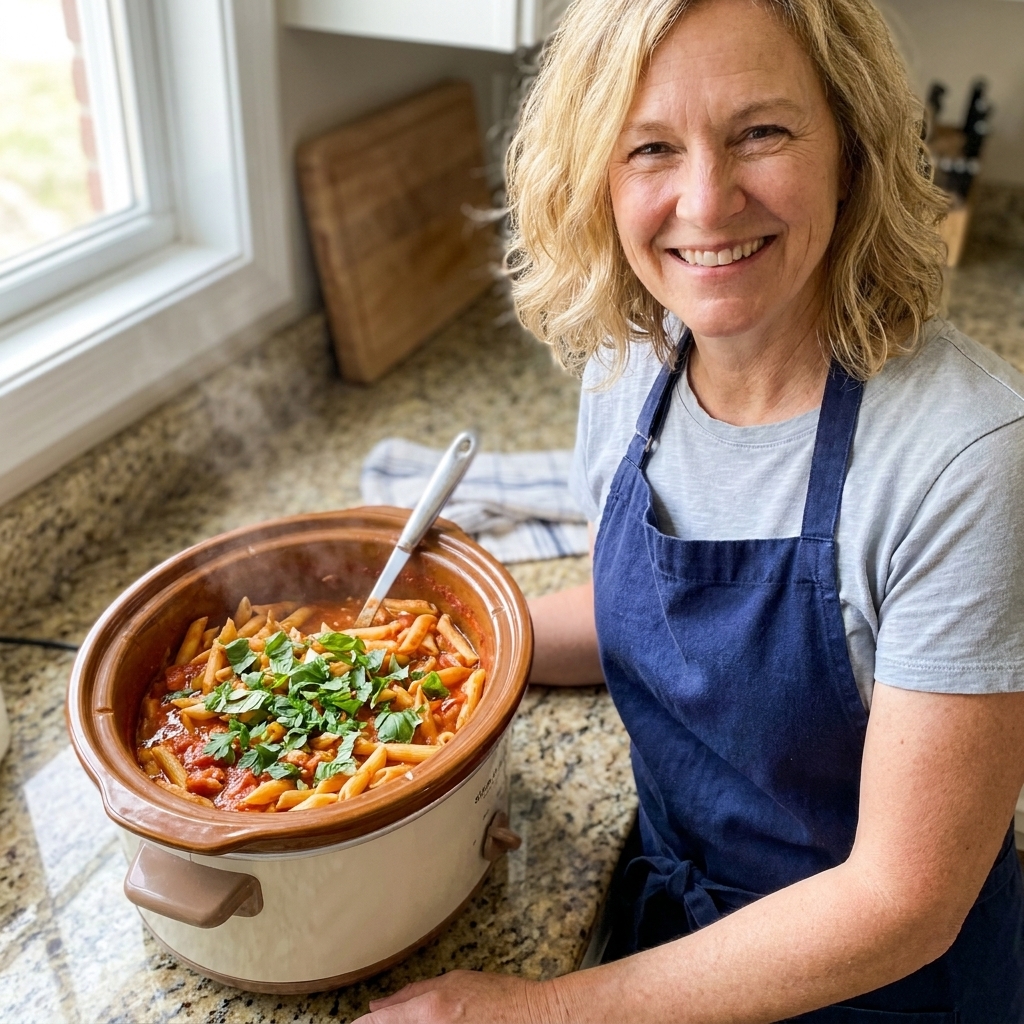
Yes, you can cook dry pasta in a crockpot
I love a slow cooker for the obvious reasons: you dump, you go live your life, and you walk back into a house that smells like dinner is already handled. Pasta can absolutely join that party, but it needs a little respect. Unlike roasts and soups, noodles have a narrow window between perfectly tender and baby food.
If you’ve ever opened the lid to find bloated, broken noodles, you didn’t “mess up.” You just cooked pasta like it was a pork shoulder. The trick is treating pasta as the last-step ingredient, even in a one-pot meal.
The core rule: add pasta at the end
For most crockpot pasta dinners, you slow cook the sauce, meat, and flavor builders first. Then you add dry pasta during the final stretch, usually on HIGH, and finish until it’s just tender.
- Sauce phase: Build flavor and cook proteins and vegetables until done.
- Pasta phase: Stir in dry pasta plus enough liquid, then cook just until al dente.
If you only remember one thing: pasta does not belong in the slow cooker for 6 to 8 hours. (Unless you’re intentionally making something like a baked ziti style casserole with already-cooked pasta, which is a different method.)
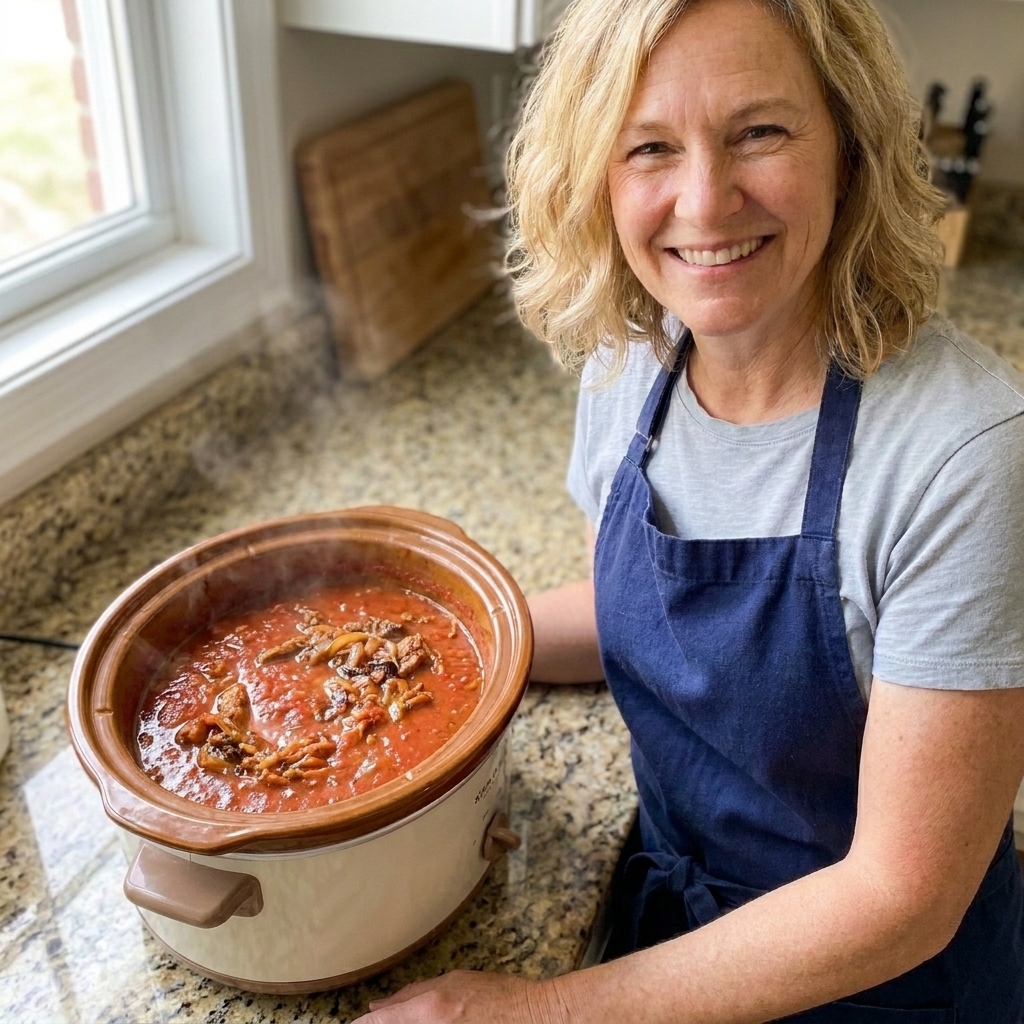
Timing guide (so it is not mush)
Every slow cooker runs a little different, and pasta brands and sauce thickness matter too. Think of these as typical starting ranges. If your crockpot is very full or your sauce is extra thick and meaty, plan on needing a little more time and possibly a splash more liquid.
When to add pasta
- Small shapes (macaroni, small shells, ditalini): about 20 to 30 minutes on HIGH
- Medium shapes (rotini, penne, rigatoni, farfalle): about 25 to 40 minutes on HIGH
- Lasagna noodles broken up: about 30 to 45 minutes on HIGH
- Spaghetti or linguine broken in half: about 25 to 40 minutes on HIGH
Check early, then often
The difference between “just right” and “too soft” can be 10 minutes. Start checking at the earliest time listed. When the pasta is almost tender, you’re basically there. It will keep softening from residual heat while you set the table and round up hungry people.
Maggie’s weeknight reality: If your family eats on a sliding schedule, undercook the pasta by a hair and let it sit for 5 minutes with the lid slightly ajar. That keeps it from over-steaming.
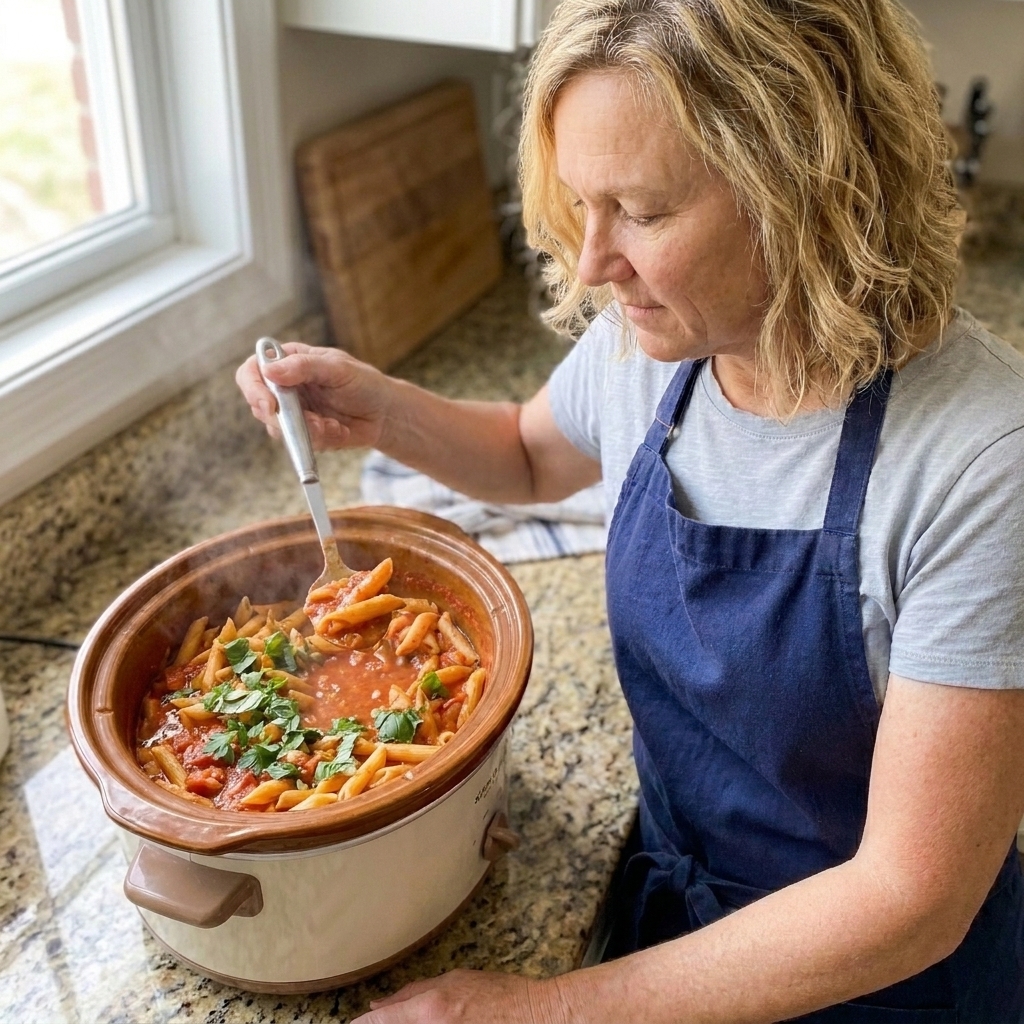
How much liquid do you need?
This is the make-or-break piece. Pasta needs enough liquid to hydrate, but too much liquid gives you watery sauce and overcooked noodles from extended simmering.
What I mean by “thin liquid”
In this article, thin liquid means broth, water, milk, or half-and-half, plus any tomato sauce that has been loosened to pour easily. (A thick jarred marinara by itself is usually not enough unless you thin it out.)
A reliable starting ratio
For 8 ounces of dry pasta: start with 2 to 2 1/2 cups of total thin liquid added during the pasta phase, then adjust as needed.
For 16 ounces of dry pasta: start with 4 to 5 cups of thin liquid during the pasta phase.
Adjust for your sauce style
- Tomato-based pasta (marinara, meat sauce): Thin the sauce before adding noodles. A good starting point is about 1 cup broth per 24 ounces marinara, then adjust based on thickness.
- Creamy pasta (Alfredo-ish, cheesy sauces): Use broth plus milk or half-and-half. Add dairy near the end and avoid a hard boil, especially if there is tomato in the pot, since acidic sauces can make dairy more likely to curdle.
- Sausage and peppers style: You may need less liquid because vegetables release moisture. Start lower, then add more if needed.
Hot liquid helps
If you can, add hot broth or hot water when you add the pasta. It can help the pot recover heat faster and cook the noodles more evenly.
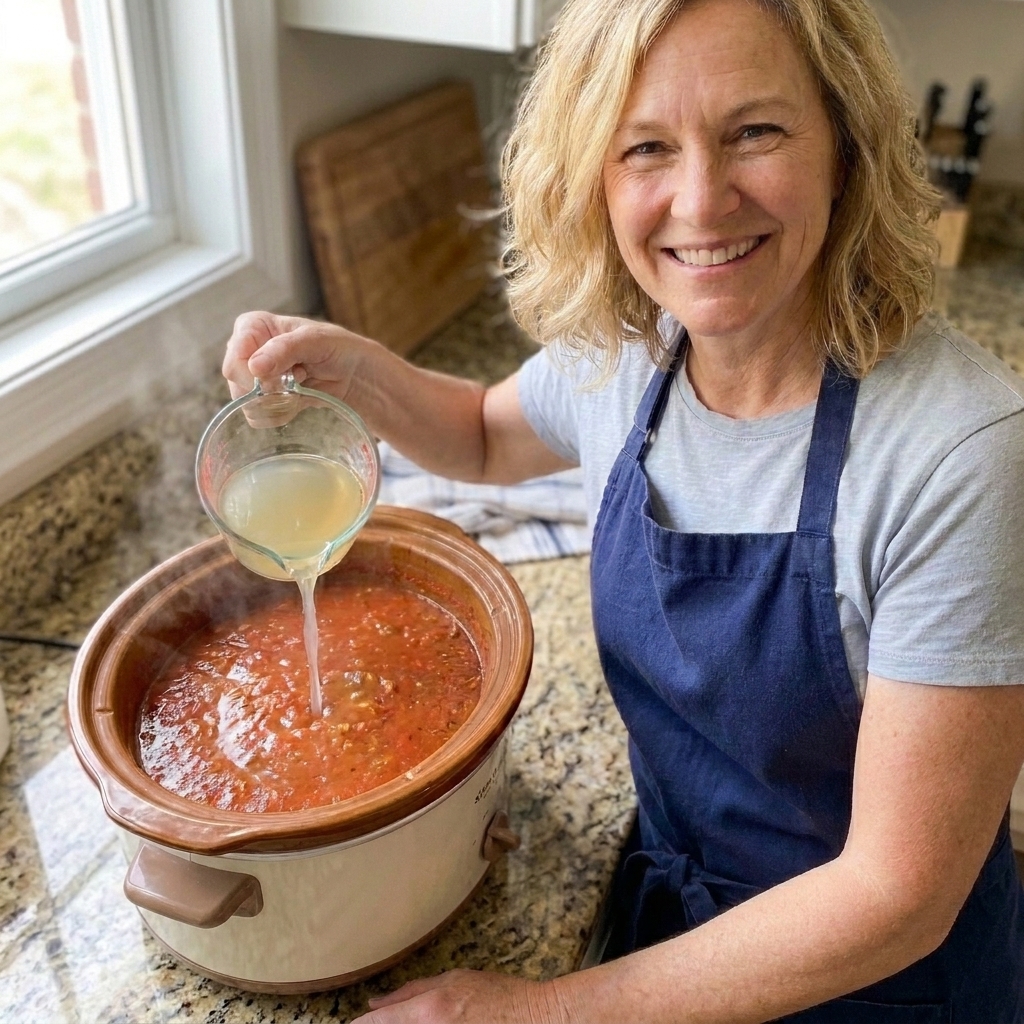
Best pasta shapes for a crockpot
Not all noodles behave the same. In a crockpot, you want shapes that can hold up to stirring and will not turn to mush the second they are done.
My top picks
- Penne: sturdy, easy to stir, great for creamy or tomato sauces
- Rotini: grips sauce well and stays intact
- Rigatoni: holds up well for meatier pasta dinners
- Medium shells: great for cheesy or creamy crockpot pasta
- Farfalle: works, but check early because the thin “pinch” can get soft fast
Use caution with these
- Angel hair: cooks too fast and goes from perfect to mush in minutes
- Fresh pasta: too delicate for slow cooker finishing
- Giant shells and manicotti: can cook unevenly unless fully submerged and watched closely
What about gluten-free pasta?
You can do it, but watch it like a hawk. Many gluten-free pastas go from firm to falling apart quickly. Start checking at about half the expected time, and consider cooking it separately if you are serving guests and want guaranteed texture.
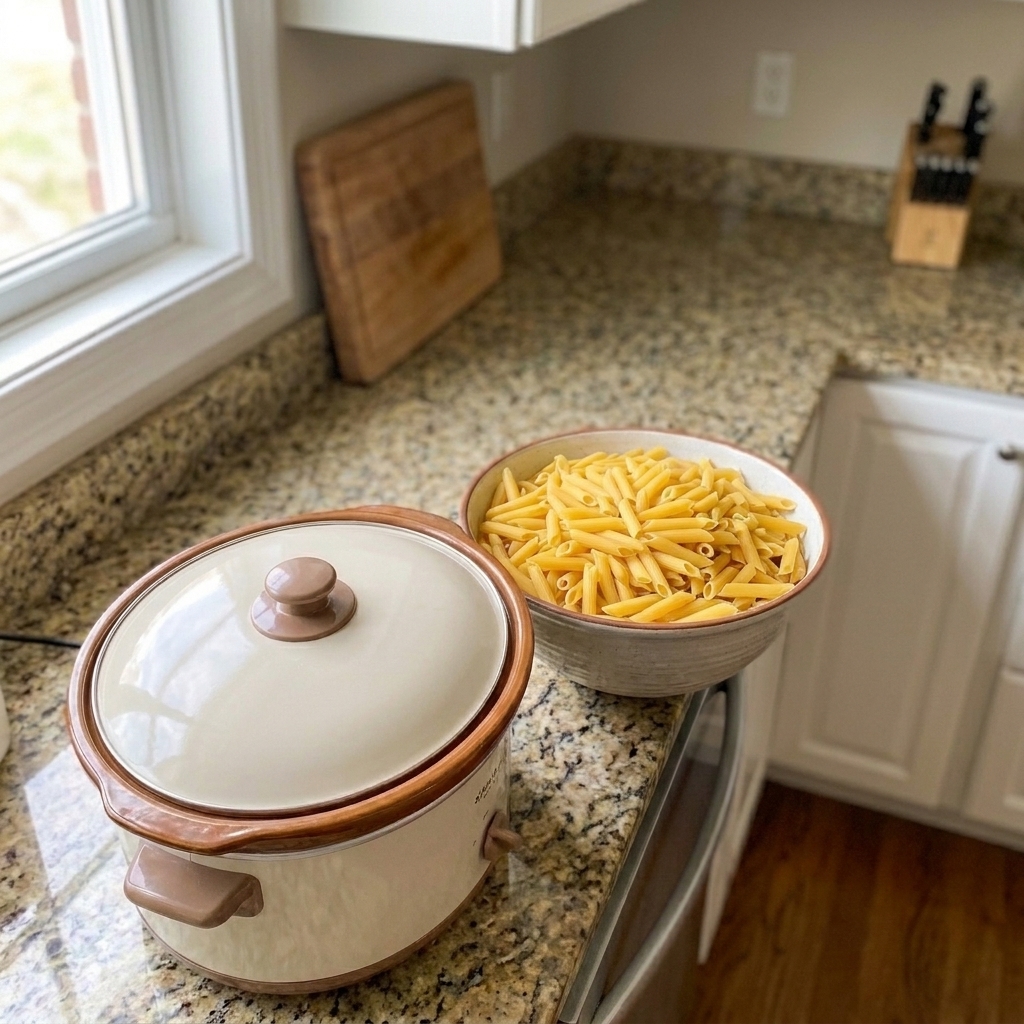
Method that works for most recipes
This is my universal crockpot pasta blueprint. Once you learn it, you can apply it to taco pasta, chicken Alfredo pasta, sausage marinara pasta, you name it.
1) Build flavor early
- Add meat, onions, garlic, sauce ingredients, seasonings, and any hardy veggies (like carrots or bell peppers).
- Cook on LOW 6 to 8 hours or HIGH 3 to 4 hours until everything tastes fully cooked and cohesive.
2) Switch to pasta mode
- Turn to HIGH if you were cooking on LOW.
- Stir in your dry pasta.
- Add hot thin liquid as needed so pasta is mostly submerged.
3) Stir just enough
- Stir well once to separate noodles.
- Stir again at about the 10 to 15 minute mark, especially for longer noodles like spaghetti.
- If your crockpot is very full, cooking can be less even. Give it one extra stir and start checking earlier.
4) Finish with dairy and greens
If you’re adding cream cheese, shredded cheese, spinach, peas, or delicate herbs, do it in the last 5 to 10 minutes. It helps keep colors bright and lowers the chance of dairy splitting. (If your sauce is tomato-based, keep the heat gentle at the end and do not let it boil hard once dairy is in.)
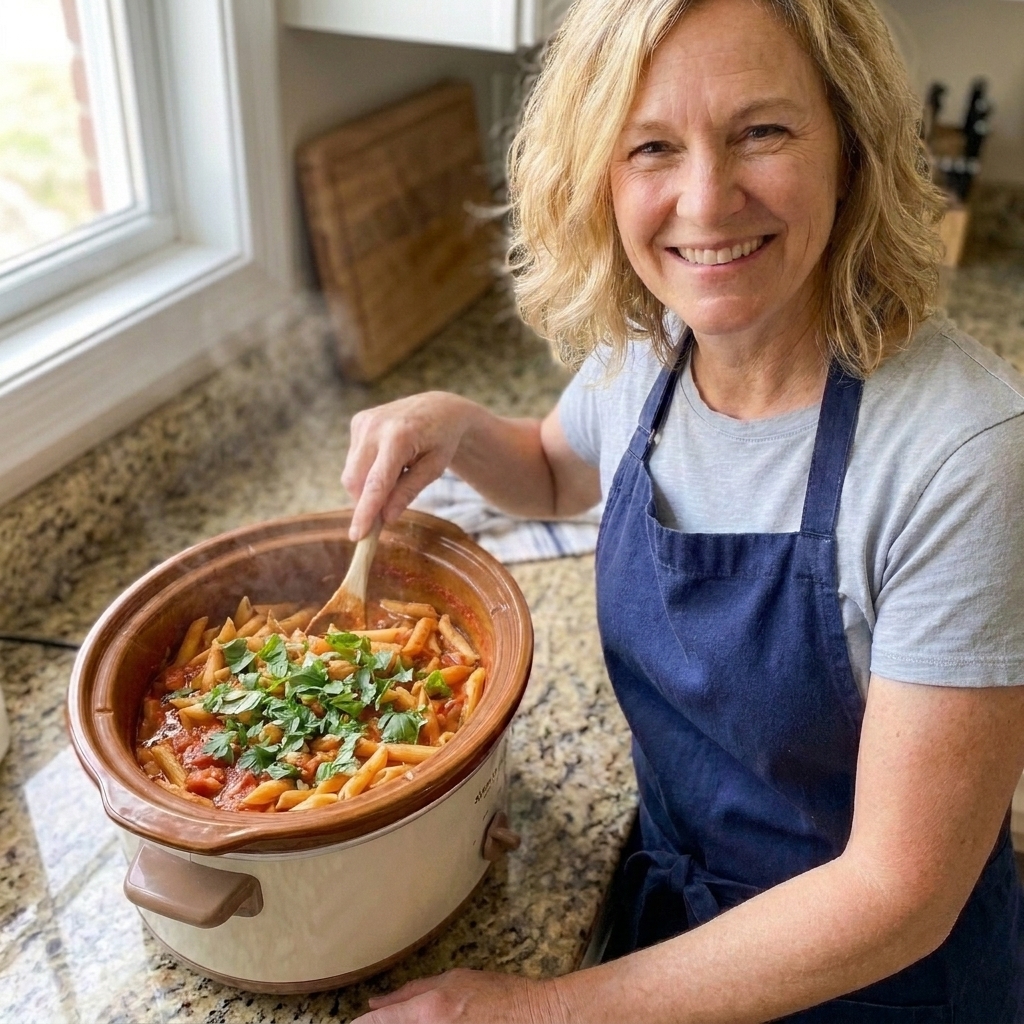
Preventing mushy pasta
If crockpot pasta has burned you before, these fixes are usually the difference between “never again” and “why didn’t I do this sooner?”
- Keep the lid on. Every peek dumps heat, which stretches cooking time and encourages over-stirring.
- Undercook slightly. Pull it when it’s just shy of done. It finishes as it sits.
- Use enough sauce. Pasta needs to be surrounded by liquid to cook evenly. Dry corners get gummy.
- Avoid extended time on WARM. WARM keeps cooking. If dinner gets delayed, turn the slow cooker OFF, keep the lid on, and stir in a splash of broth if it looks tight.
- Salt matters. If you add water or broth during the pasta phase, taste and adjust salt at the end. Pasta absorbs seasoning.
Common problems and quick fixes
My pasta is still hard but the sauce is thick
Add 1/2 cup hot broth or water, stir, and cook 10 more minutes on HIGH. Hard pasta almost always means it did not have enough thin liquid, it was not fully submerged, or the pot was very full and cooking unevenly.
My pasta turned mushy
Next time, shorten the pasta phase and start checking early. For tonight: stir in a handful of fresh spinach or peas for texture, and top with something crunchy like toasted breadcrumbs or crushed crackers.
My sauce is watery
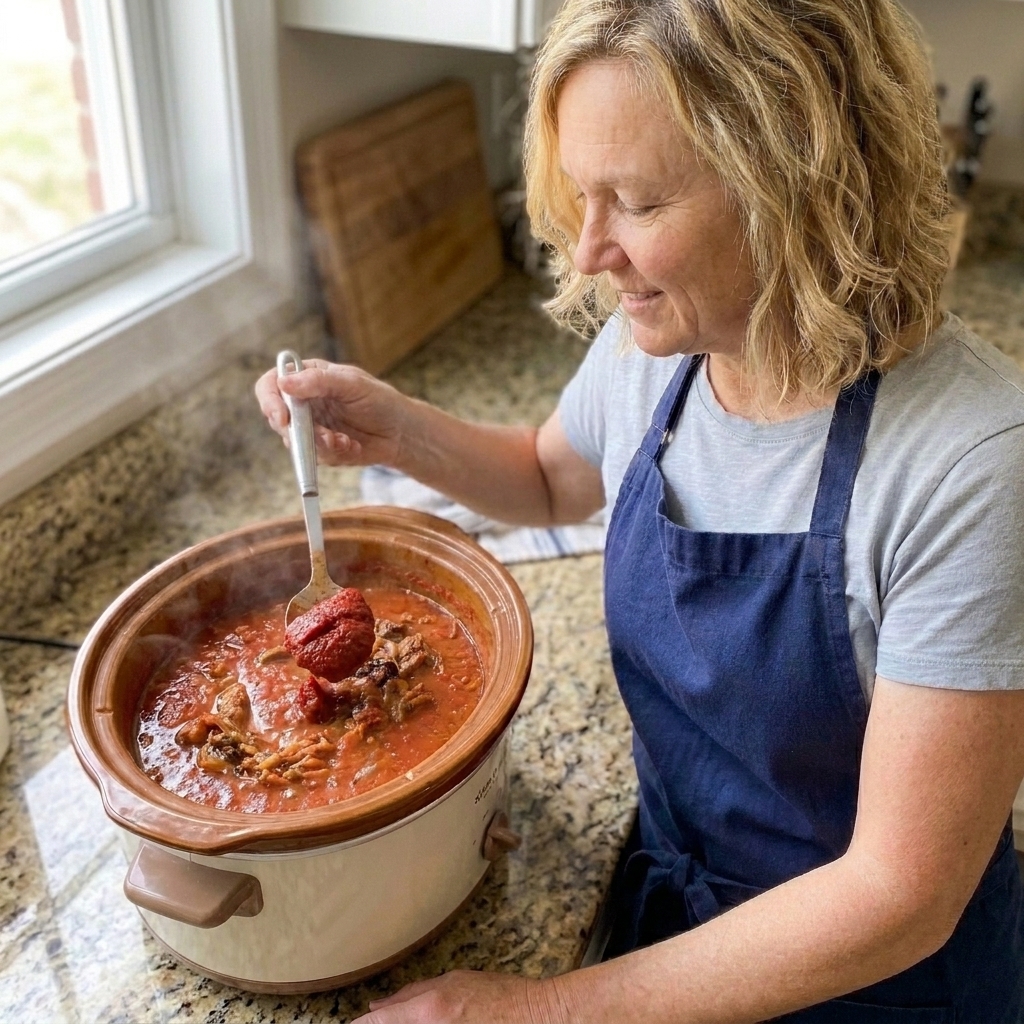
Crack the lid for 10 to 15 minutes on HIGH and let steam escape. You can also stir in a spoonful of tomato paste or a sprinkle of Parmesan to help it tighten up.
The pasta clumped together
Spaghetti and long noodles do this the most. Break them in half, push them under the liquid, and stir at 10 minutes. If you want truly fuss-free, stick to short shapes.
Food safety and holding
Because pasta cooks fast, the safest plan is to time the pasta phase for when you are actually home.
- If you need a buffer: cook the sauce and fillings all day, then add pasta when you walk in the door.
- If dinner is running late: once pasta is tender, switch the slow cooker to WARM only briefly, or turn it OFF and keep the lid on for a short hold. For longer delays, cool and refrigerate promptly.
- Do not leave food out: if the cooker is OFF and the meal is sitting at room temperature, follow the general rule of not leaving it out for more than 2 hours (less in a hot kitchen).
- For leftovers: pasta keeps absorbing sauce in the fridge. Save a little broth or milk (depending on the recipe) to loosen when reheating.
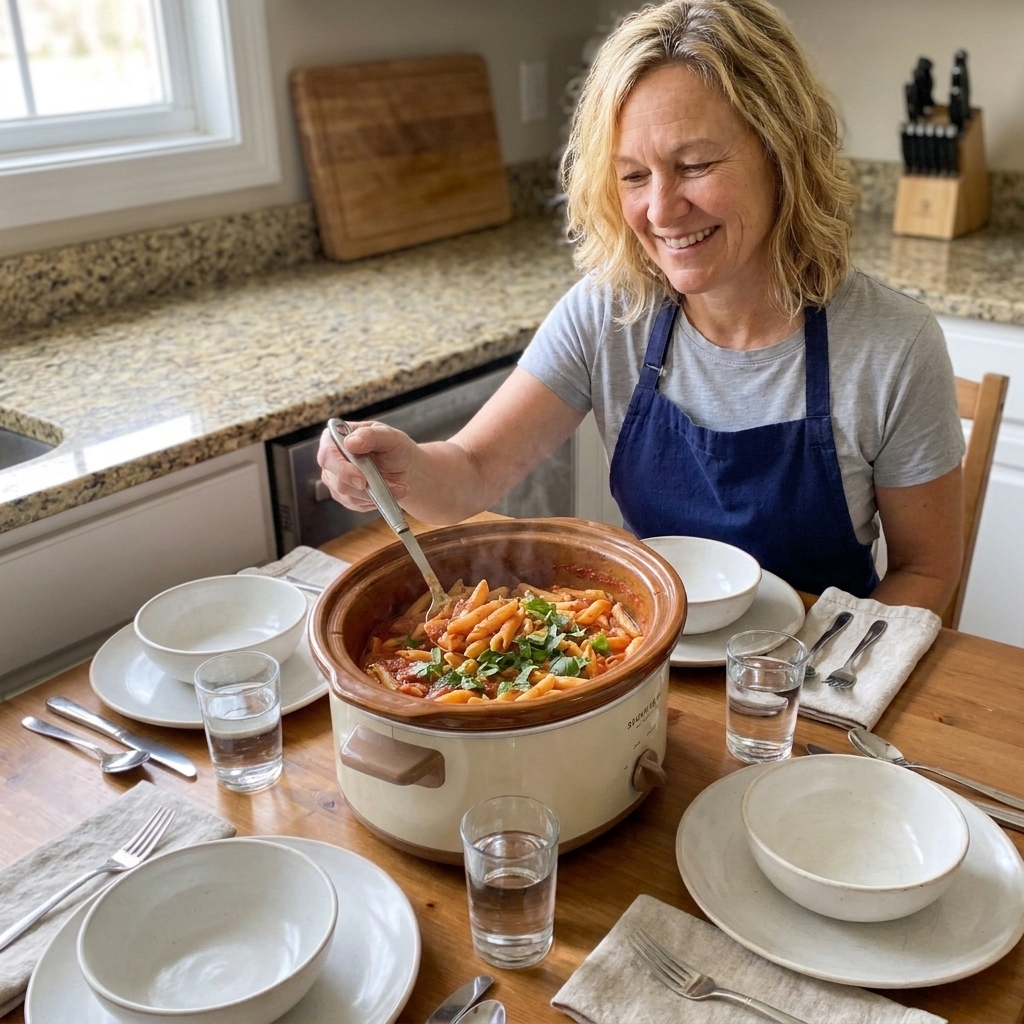
Quick formula to remember
- Sauce first, pasta last.
- Cook pasta on HIGH and start checking early.
- Start with 2 to 2 1/2 cups thin liquid per 8 ounces pasta, then adjust.
Once you nail the timing, crockpot pasta becomes one of those magical meals that feels like you cheated time. Which, honestly, is the whole point around here.
FAQ
Can I cook pasta on LOW in the crockpot?
You can, but I do not recommend it. LOW takes longer, and longer is the enemy of good pasta texture. If you must, expect it to take closer to 45 to 75 minutes depending on the pasta and your cooker, and the odds of mush go up.
Should I cook pasta separately and add it?
If you want a guaranteed al dente bite or you need to hold dinner for a while, yes, cooking separately is the safest move. But if you follow the “pasta at the end” method, cooking it directly in the crockpot works beautifully.
Do I need to rinse pasta before adding it?
No. Add it dry. Rinsing removes surface starch that actually helps sauce cling.
Can I use no-boil lasagna noodles for crockpot pasta dinners?
For lasagna-style dishes, yes. For general one-pot pasta, I would rather use regular pasta shapes. No-boil noodles can turn pasty when stirred and held.
What size slow cooker works best?
A 6-quart slow cooker is the easiest size for most one-pot pasta dinners because pasta expands and you need room to stir. In a smaller cooker, keep the batch size modest and watch the liquid level closely so noodles can stay mostly submerged.