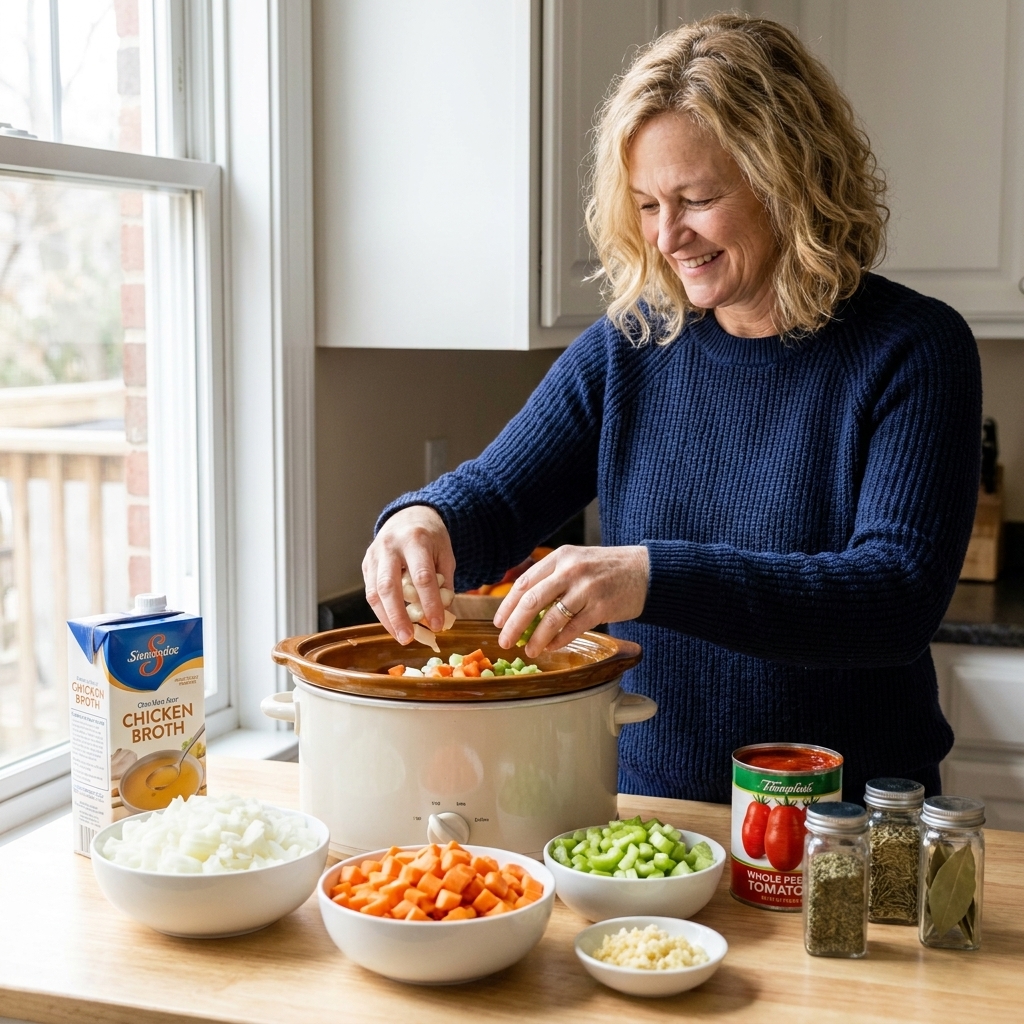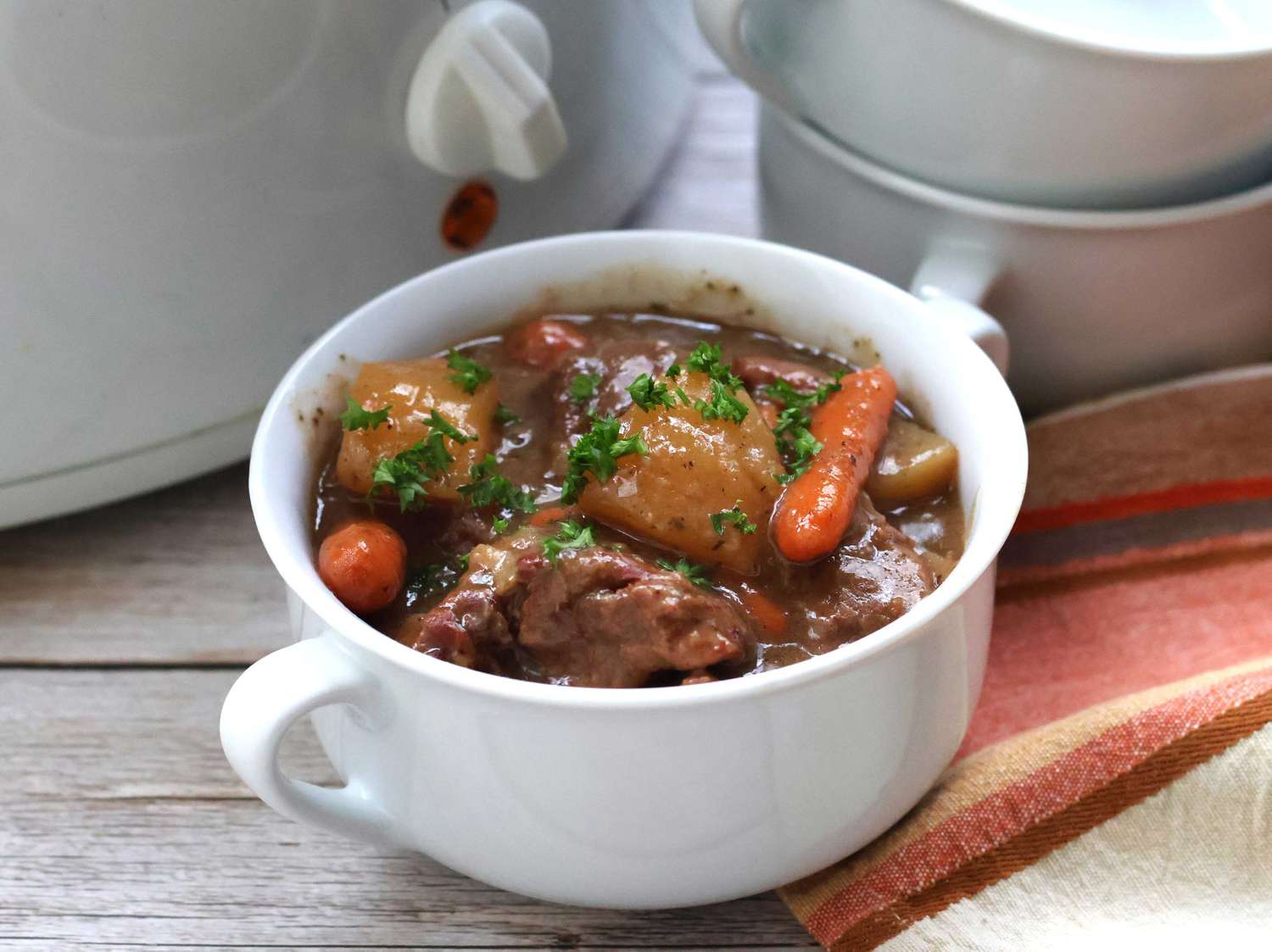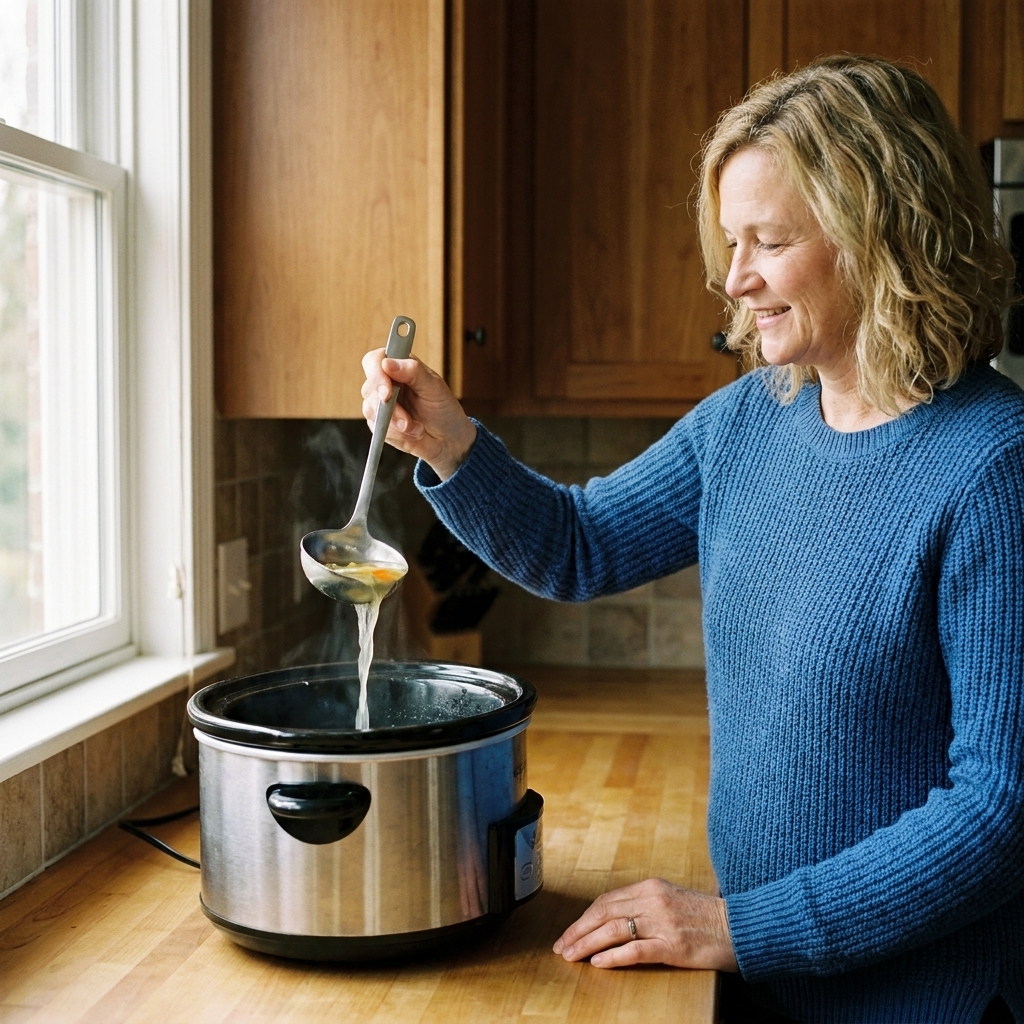
If your crockpot soup looks hearty at 8 AM and somehow turns into broth-by-dinnertime, you are not imagining things. Slow cookers are amazing for hands-off meals, but they are also masters of holding onto moisture. Add in vegetables that quietly release water for hours, and you get that disappointing thin soup.
The good news: watery soup is one of the easiest slow cooker problems to fix. Below I will walk you through why it happens, how to prevent it next time, and a few fast rescue tricks for tonight.
The real reason crockpot soup gets watery
On the stovetop, a soup pot naturally loses moisture as steam escapes. In a slow cooker, the lid is designed to keep heat and moisture inside. That means:
- Much less evaporation than you would get in an uncovered pot on the stove (how much depends on your model and lid fit).
- Vegetables and meats release their own liquid as they cook, and most of it stays in the pot.
- Frozen ingredients (especially veggies) add extra water as they thaw.
So even if your recipe starts with what looks like a reasonable amount of broth, the finished soup can end up much thinner than expected.
Top watery soup culprits
1) Too much starting liquid
This is the most common one, especially if you are converting a stovetop recipe to the crockpot. A slow cooker usually needs less broth because you are not cooking it down the same way.
My rule of thumb: I start with about 20% to 30% less liquid than a stovetop version, then add more at the end only if I need it. Recipes vary, but this gets you closer to “hearty” right out of the gate.
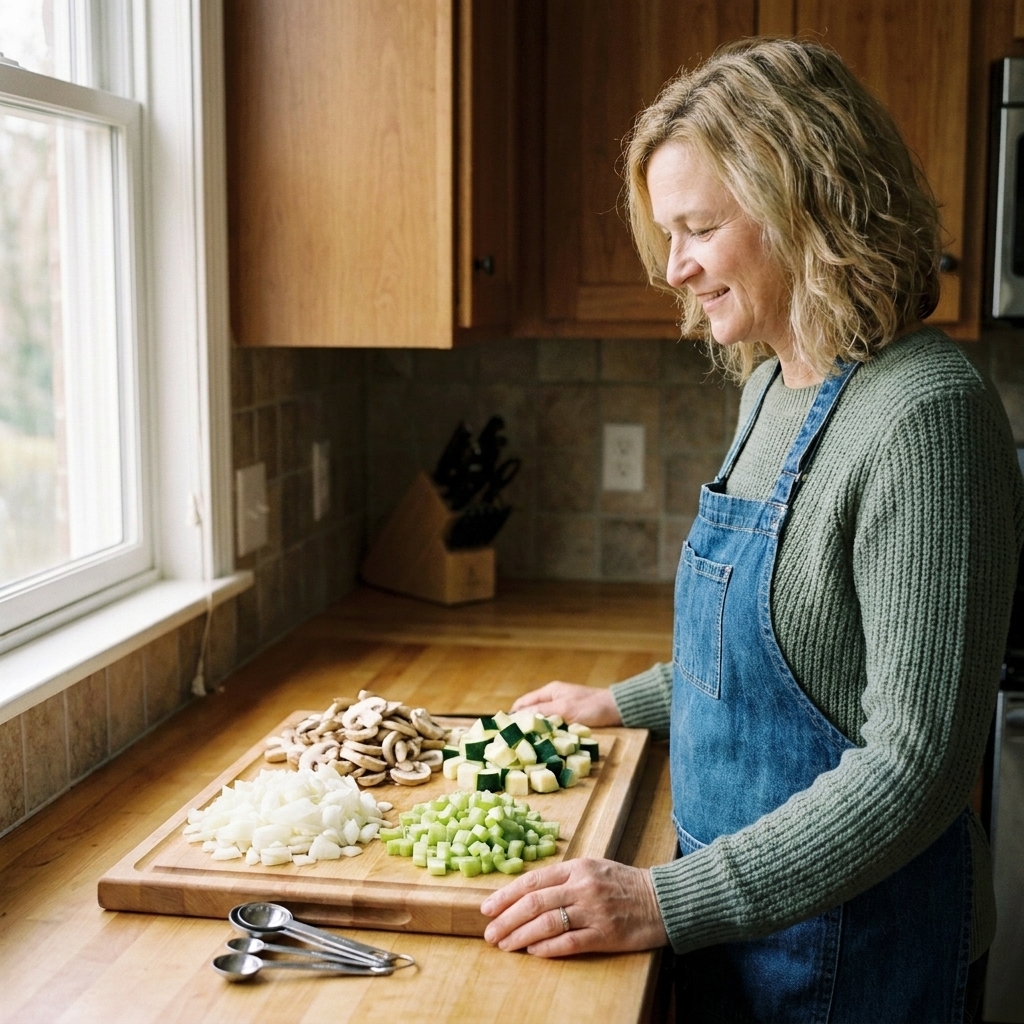
2) High-water vegetables sweating out
Some veggies are basically water balloons. After hours of gentle heat, they release a lot of moisture:
- Zucchini
- Mushrooms
- Celery
- Tomatoes (especially canned diced tomatoes)
- Spinach and other greens
- Onions
This is one reason a soup can go watery even when you measured the broth correctly. It is mostly released vegetable moisture, plus lid condensation that drips right back into the pot.
3) Frozen vegetables (or undrained canned ingredients)
Frozen corn, frozen mixed veggies, or frozen spinach will release water as they thaw. Same goes for canned beans, canned tomatoes, and canned corn if they are not drained.
Quick fix for next time: thaw and drain frozen veggies when possible. And usually rinse and drain beans unless the recipe specifically wants the can liquid for body and starch.
4) Lid lifting and condensation drip
Every time you lift the lid, heat escapes and the slow cooker has to work to get back up to temp. That often leads to longer cooking, which gives vegetables more time to release liquid.
Also, when you tilt the lid and set it back down, the trapped condensation can run right back into the soup.
Tip: if you must check, do it quickly, then commit to leaving it alone.
5) Lean meats and low-fat cooking
This one surprises people. When you use very lean chicken breast or turkey, you miss the natural body that fat and collagen bring to soup. The flavor can still be great, but the texture can feel thin.
Easy upgrade: use chicken thighs sometimes, or add a small amount of richness at the end (a splash of cream, a dollop of sour cream, or even a tablespoon of butter can round things out).
How to prevent watery soup
Start with less broth
If you are following a recipe and it says “cover everything with broth,” pause. In a slow cooker, that can quickly turn into soup that tastes diluted.
- Soups with lots of vegetables: use just enough broth to barely cover.
- Soups with pasta or rice: hold back extra liquid because starches also change texture as they sit.
Layer smart
Dense vegetables (carrots, potatoes, parsnips) can go in early. But watery vegetables do better added later if the recipe allows.
- Add zucchini and mushrooms in the last 60 to 90 minutes.
- Stir in spinach or kale in the last 10 to 20 minutes.
Use thicker ingredients on purpose
These ingredients naturally add body without making things gummy:
- Tomato paste
- Pureed beans (white beans are my favorite for creamy soups)
- Mashed potatoes or instant potato flakes (yes, really)
- Coconut milk or heavy cream in creamy soups (stir in at the end)
Pick the right noodles and grains
Regular pasta can soak up broth while it cooks, then go soft. If you want noodles, consider:
- Cooking pasta separately and adding it to each bowl
- Adding sturdier noodles late (including egg noodles), then serving soon after
- Adding tortellini near the end, then serving right away
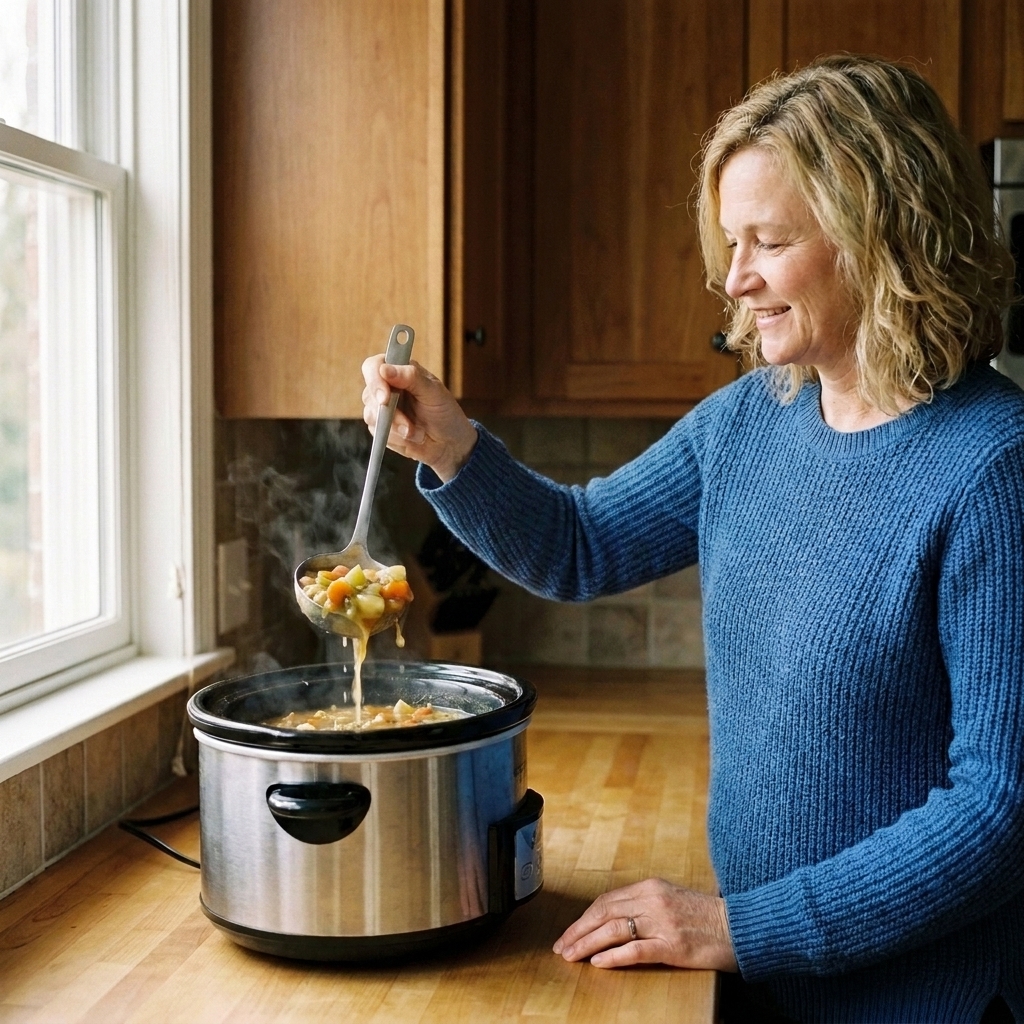
How to fix watery soup fast
Pick the method that matches your soup. You can also combine two methods if needed.
Option 0: Ladle out excess liquid
If the flavor is good and you just overdid the broth, the fastest move is to remove a cup or two of liquid before you thicken anything. (Save it. It is great for cooking rice, deglazing a pan, or thinning leftovers later.)
Option 1: Crack the lid and reduce
If you have time, this is the most natural fix.
- Turn the slow cooker to HIGH.
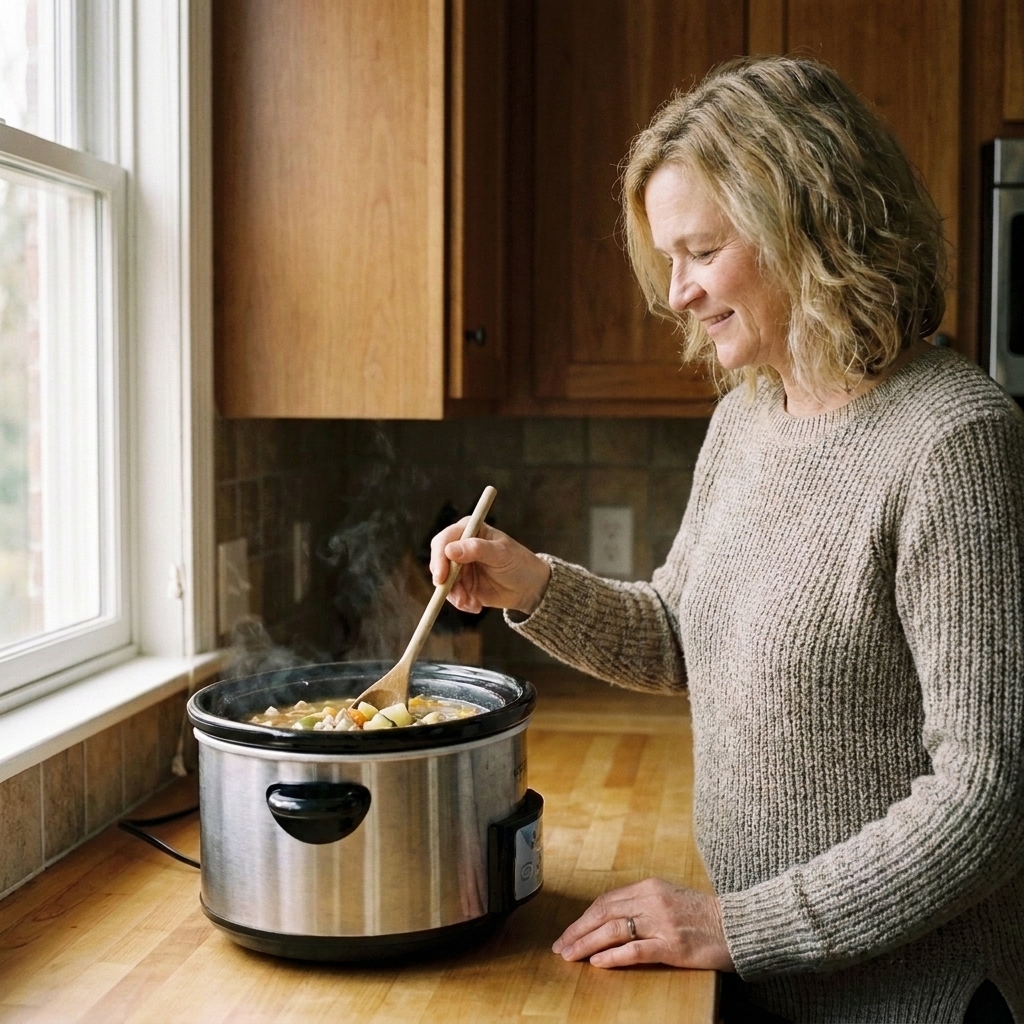
- Prop the lid open about 1/2 inch using a wooden spoon handle.
- Let it cook for 20 to 45 minutes, stirring occasionally.
This allows evaporation, more like a stovetop simmer. Safety note: keep the soup good and hot while you do this (you want it steaming and near a simmer), and do not leave it partially covered for hours.
Option 2: Make a cornstarch slurry
This is my weeknight lifesaver when everyone is hungry.
- Mix 1 tablespoon cornstarch with 1 tablespoon cold water (or broth) until smooth.
- Stir it into the slow cooker.
- Cook on HIGH for 10 to 15 minutes until thickened.
Go slowly: you can always add more, but you cannot un-thicken soup once it turns glossy and too tight.
When to skip this: if your soup is already dairy-heavy or egg-thickened, a slurry can push it into a slightly “saucy” texture that does not fit. In those cases, try blending or reducing instead.
Option 3: Mash or blend part of the soup
This thickens without adding any extra ingredients.
- Use a potato masher to mash some beans or potatoes right in the crockpot, or
- Scoop out 1 to 2 cups, blend until smooth, then stir back in.
This is perfect for potato soup, white chicken chili, lentil soup, and bean-heavy soups.
Option 4: Add instant potato flakes
If you have them in the pantry, they are a gentle thickener with a cozy, creamy finish.
- Stir in 1 tablespoon at a time.
- Wait 5 minutes.
- Add more only if needed.
Option 5: Use a butter-flour paste
If you like the effect of flour thickening, this is the easiest way to do it without clumps. Technically, it is a beurre manié (a butter-flour paste), not a roux.
- In a small bowl, mash together 1 tablespoon softened butter and 1 tablespoon all-purpose flour until perfectly smooth.
- Whisk the paste into the hot soup a little at a time.
- Cook on HIGH for 20 to 30 minutes, stirring occasionally, to cook off any raw flour taste.
How much to use: start with 1 tablespoon flour plus 1 tablespoon butter for a typical slow cooker batch, then add more only if you need it. A little goes a long way.
Option 6: Add dairy at the end for a creamier feel
This will not always “thicken” in the technical sense, but it absolutely helps watery soup feel more satisfying.
- Heavy cream
- Sour cream
- Greek yogurt (temper it with a little hot broth first)
- Cream cheese
Tip: add dairy at the end so it does not separate during long cooking.
Liquid tips that work
Measure once, then stop topping off
It is tempting to add extra broth early if ingredients are not fully submerged. In most crockpot soups, you do not need to drown everything. The vegetables will soften and settle as they cook, and they will release their own liquid.
Use tomato products strategically
Tomato sauce and crushed tomatoes often add more body than diced tomatoes, which tend to come with more free liquid (brand and pack style vary). If your soup is often thin, try:
- Swapping diced tomatoes for crushed tomatoes, or
- Draining diced tomatoes before adding them, or
- Stirring in 1 to 2 tablespoons tomato paste to reinforce the base.
Salt later if you plan to reduce
If you know you will reduce the soup (lid cracked), go easy on salt until the end. Reduction concentrates salt fast.
Know your slow cooker
Some slow cookers run hotter than others, and a hotter cooker can break down vegetables faster, which makes soup feel thinner. If yours tends to run hot, focus on not overcooking: shorten the time when you can, and add delicate vegetables later. If you are consistently boiling on LOW, dropping the setting and extending the cook can help, but the bigger win is usually adjusting timing.
Finish on the stovetop (when you need speed)
If you want fast reduction, ladle the soup into a wide saucepan and simmer uncovered for 10 to 20 minutes, then stir it back into the slow cooker or serve immediately. More surface area equals faster evaporation.
Quick FAQ
Why is my chicken noodle soup watery in the crockpot?
Usually because the soup started with too much broth and the vegetables released more moisture during cooking. Also, if noodles cooked in the slow cooker for too long, they can break down and make the broth seem thin while the noodles go mushy. Next time, cook noodles separately or add them in the last 20 to 30 minutes and serve right away.
Can I just cook it longer to make it thicker?
Not reliably with the lid on. With the lid sealed, you are not evaporating much liquid. If you want “longer cooking” to thicken, you need to crack the lid and run it on HIGH so steam can escape, or reduce it briefly on the stovetop.
Why did my soup get watery after adding potatoes?
Potatoes do not add water, but “covering everything” with broth can. Also, waxy potatoes hold their shape and do not naturally thicken. For thicker soups, use russets or mash a portion at the end.
What thickener tastes the most natural?
Blending or mashing part of the soup usually tastes the most like it “belongs,” especially for bean soups, potato soups, and chowders.
When should I avoid thickening in the slow cooker?
If your soup relies on eggs or lots of dairy for its texture, be cautious with aggressive thickening and long high-heat cooking. It is easy to go from creamy to grainy. In those cases, reduce briefly, blend a portion, or add a small amount of dairy at the end instead.
My go-to game plan
If you want one simple routine to remember, this is mine:
- Start with less broth than you think you need.
- Add high-water veggies later when possible.
- Plan a thickener: mash, blend, reduce, or slurry.
- Taste and adjust at the end: salt, acid (lemon or vinegar), and a touch of richness if needed.
And if your soup still ends up a little thinner than you hoped, please do not toss it. A quick slurry or a quick blend can turn it around in minutes, and you still get the best part of slow cooking: walking in the door to a house that smells like dinner is already handled.