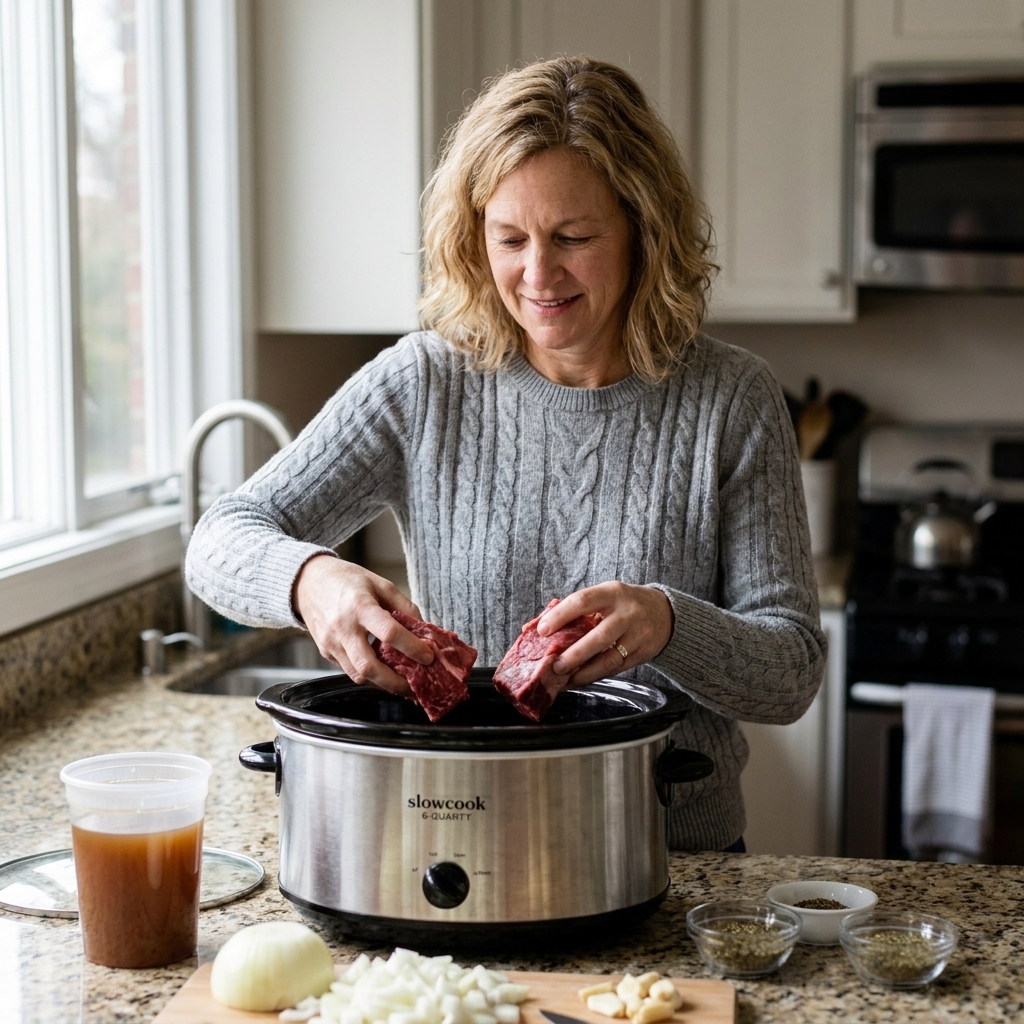
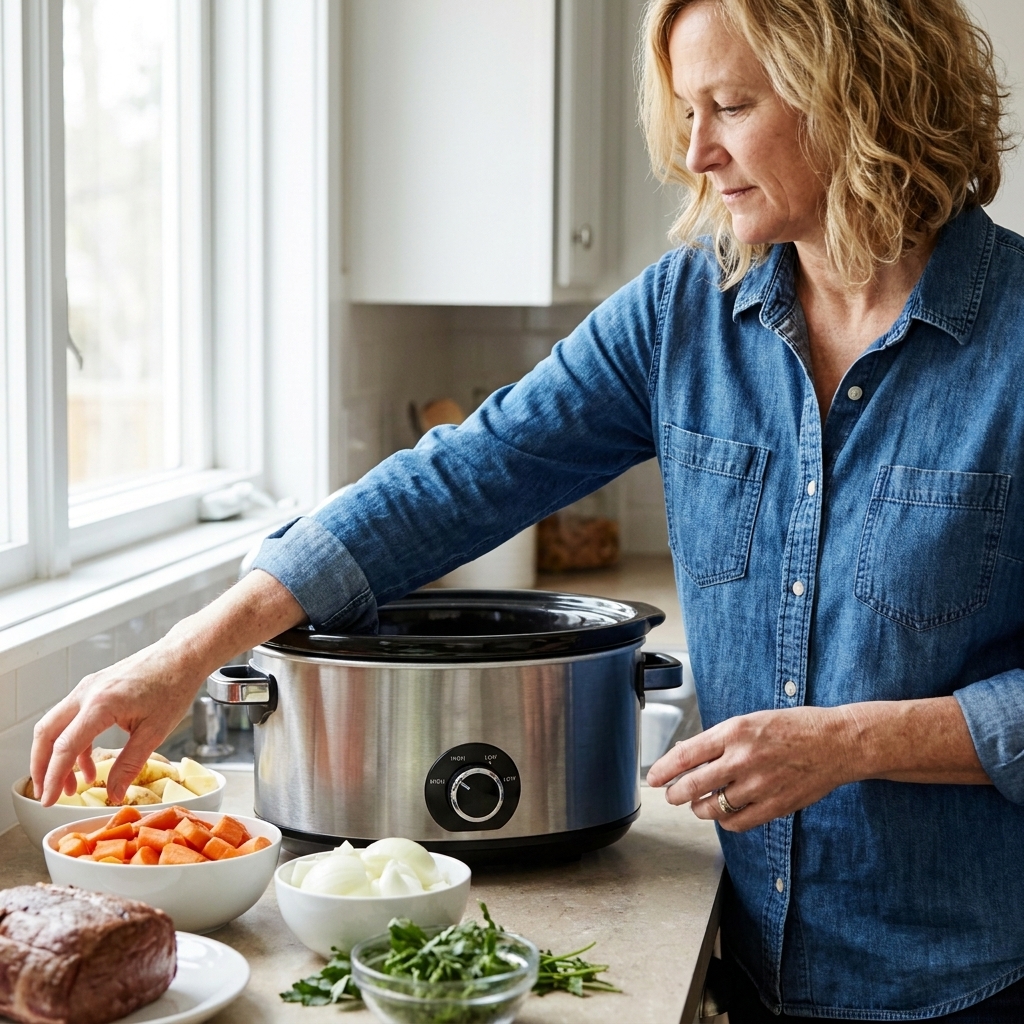
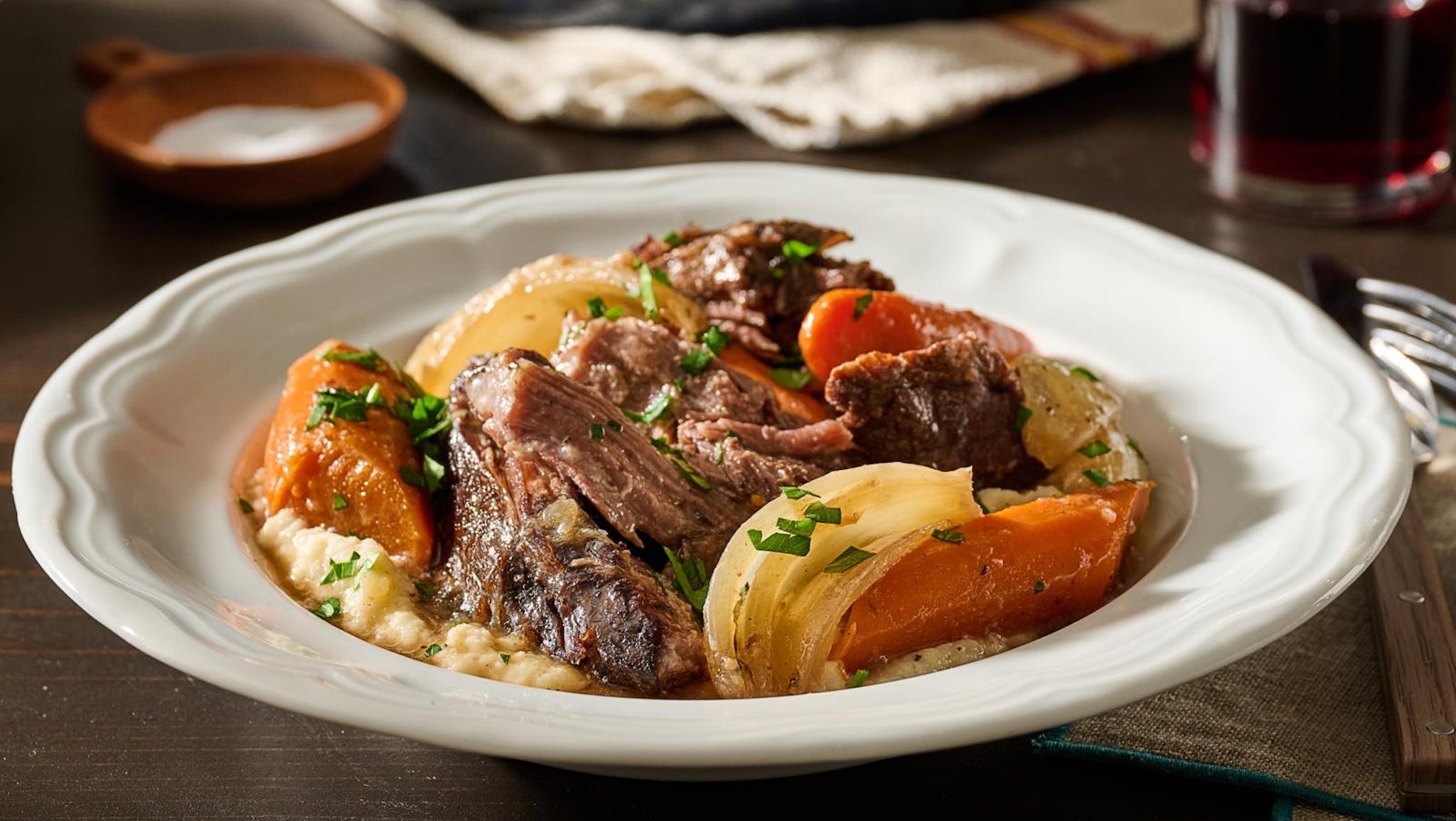
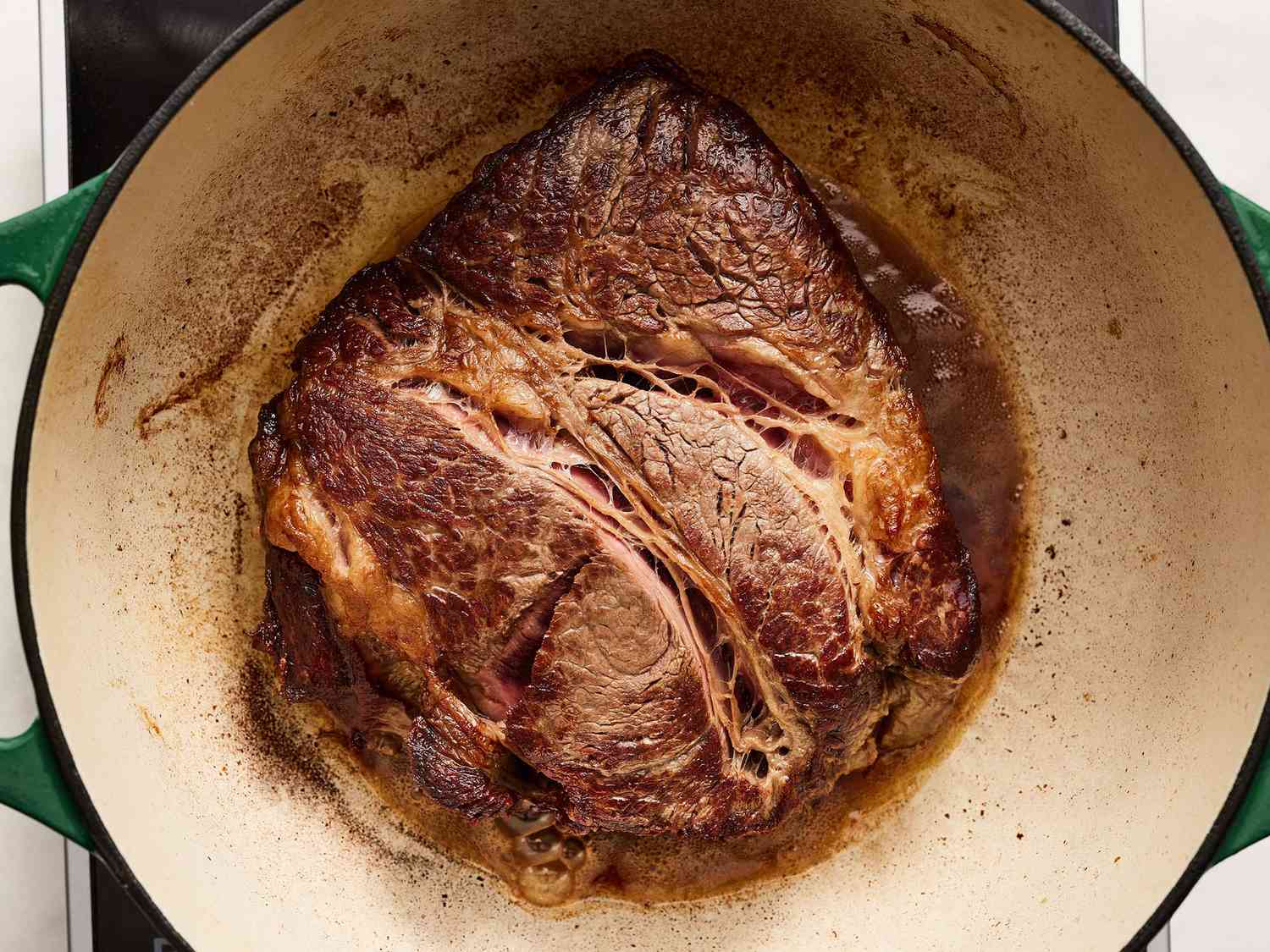
If you have ever slow cooked gammon and thought, why is this so salty? you are not alone. Gammon is cured pork, which means it arrives with a lot of salt already in the meat. The slow cooker is wonderful for hands-off tenderness, but gammon can still taste saltier if your cooking liquid is salty, or if you reduce the cooking juices afterward.
Below is my no-drama method for a small gammon joint that comes out juicy, sliceable, and flavorful without tasting like a salt lick. I will also help you spot the difference between uncooked gammon and ready-to-eat ham, because they behave very differently.
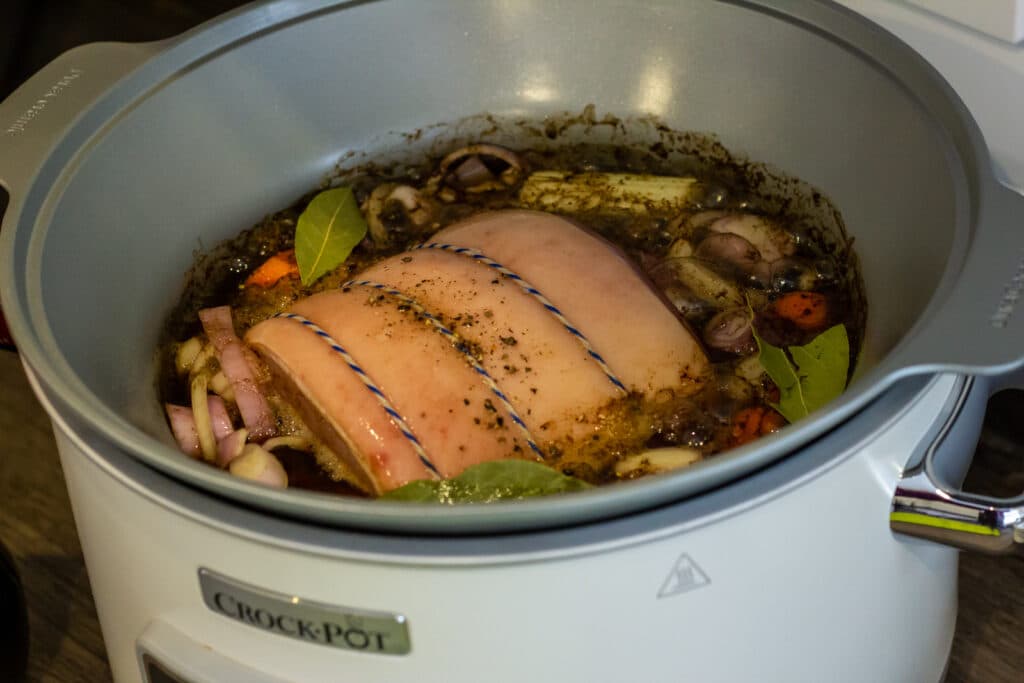
First, check it is uncooked gammon
This matters for both salt management and food safety.
- Uncooked gammon joint is cured but still raw. The label often says “uncooked,” “raw,” “requires cooking,” or gives a target internal temperature. This is what this article covers.
- Ready-to-eat ham is already cooked and usually just needs reheating. Slow cooking it for hours can dry it out, and once it is drier the saltiness can feel more intense.
If you are unsure, look for wording like “fully cooked” or “ready to eat”. If you see that, use a gentle reheat method instead of the long cook times below.
Why it can taste too salty
Oversalty slow cooker gammon usually comes down to one (or more) of these:
- It is already highly cured. Some joints are simply saltier than others, especially smoked joints.
- The cooking liquid adds salt (stock cubes, bouillon, salty broths, soy sauce, bottled glazes).
- You reduce the cooking liquid on the stove afterward to make gravy, concentrating the salt.
- You serve it with salty sides (salted mash, salty gravy, mustard plus salty veg).
The fix is not complicated. Start with a clearly labeled joint, keep the liquid low-salt, and taste any sauce before you reduce it.
Low-salt liquids and aromatics
Your goal is gentle moisture and aroma without piling on extra sodium. Here are my go-to combinations for a small joint.
Low-salt cooking liquids
- Water: boring on paper, surprisingly effective. Add aromatics and you are set.
- Unsalted apple juice (cloudy is fine): adds sweetness that balances salt.
- Half water, half apple juice: my favorite “safe” combo.
- Unsalted chicken stock: only if it is truly unsalted. Many “low sodium” stocks still add noticeable salt.
- Orange juice: nice for a holiday vibe, but use it as part of the liquid, not all of it.
Aromatics that add flavor without salt
- Sliced onion or leeks
- Garlic cloves (smashed)
- Bay leaf
- Black peppercorns
- A small cinnamon stick (optional, but lovely with apple)
- Whole cloves (use a light hand, 4 to 8 total)
- Fresh thyme or rosemary
Skip: stock cubes, seasoning salts, salty spice blends, and anything labeled “ham seasoning” unless you have checked sodium. Gammon does not need help in the salt department.
My slow cooker method
This is the method I lean on when I want a dependable result with minimal fuss.
What counts as small?
For this article, a small joint is typically 1 to 2 pounds (about 450 to 900 grams). The steps still work for slightly larger pieces, but you may need more time.
A quick fit check
Make sure the joint sits comfortably in your slow cooker with the lid closing properly. If it is wedged in tight, it cooks less evenly and you will have a harder time hitting the right texture.
Ingredients
- 1 small uncooked gammon joint (1 to 2 pounds)
- 1 onion, sliced
- 1 apple, quartered (optional but highly recommended)
- 2 to 3 garlic cloves, smashed (optional)
- 1 bay leaf
- 2 cups (475 ml) water or half water and half unsalted apple juice
- Black pepper (a few grinds)
Step-by-step
- Rinse the joint under cool water and pat dry. This does not remove all the salt, but it helps remove surface cure and gives you a cleaner tasting cooking liquid.
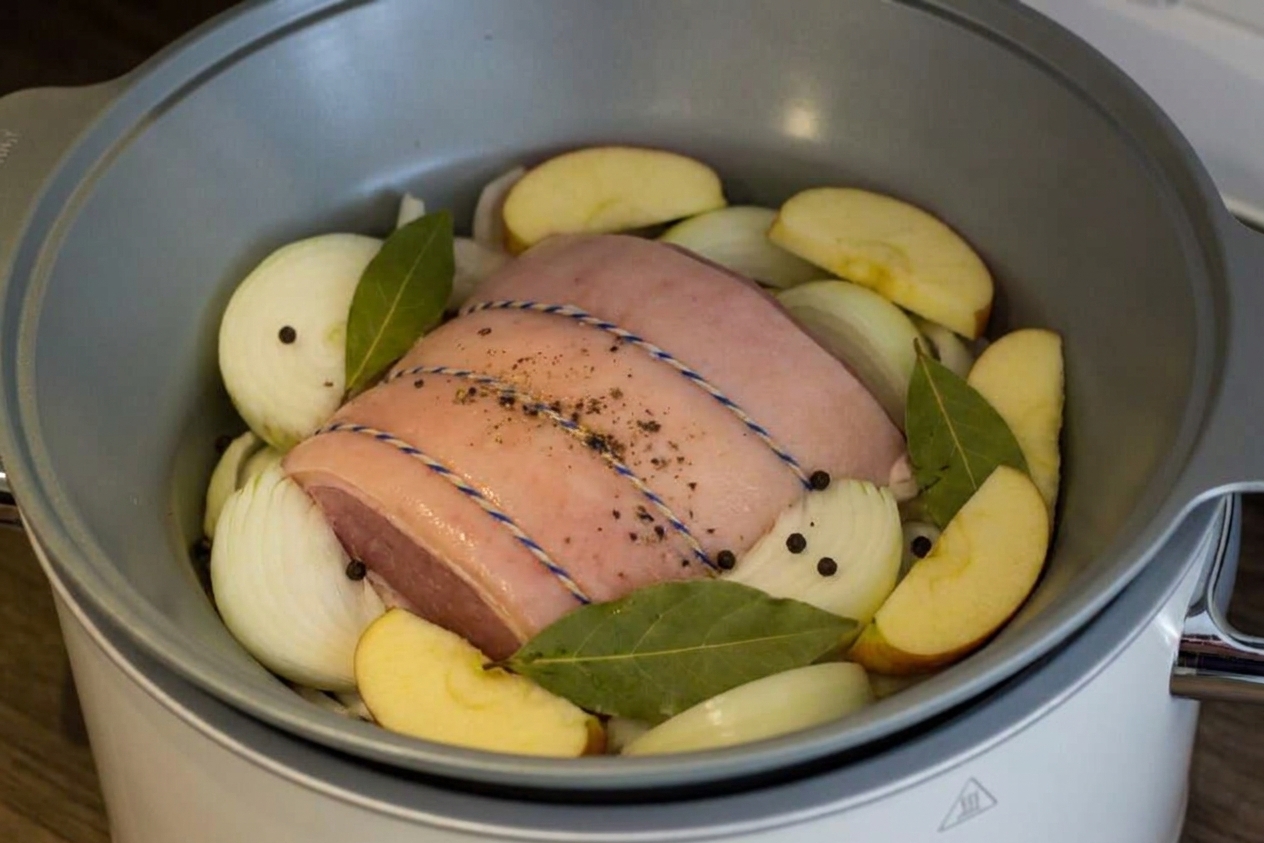
- Build an aromatic “rack” in the slow cooker with onion (and apple if using). This keeps the meat from sitting flat on the bottom and helps it cook more evenly.
- Add the gammon, then pour in your low-salt liquid. You do not need to fully submerge it. A couple inches of liquid is enough for a small joint in most cookers.
- Cook on LOW for 5 to 7 hours or HIGH for 3 to 4 hours. If your joint is closer to 1 pound, start checking early. I begin checking at about 4.5 hours on LOW or 2.5 hours on HIGH.
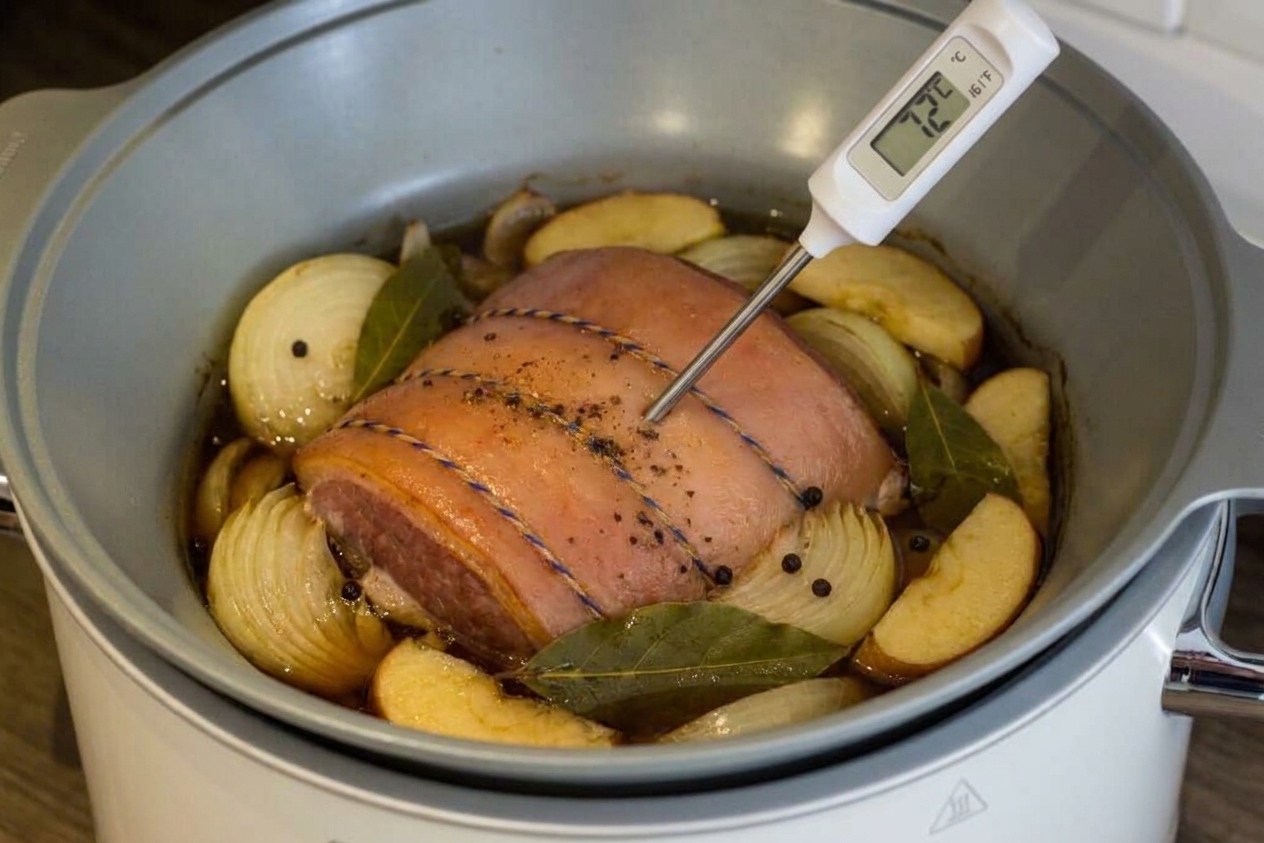
- Check internal temperature with a meat thermometer in the thickest part, avoiding bone if present. Follow the temperature on the label if it gives one. If there is no guidance, 63°C / 145°F plus a 3 minute rest is a commonly used target for whole cuts of pork, but some producers recommend cooking gammon higher. When in doubt, go by the packaging.
- Rest the joint on a plate, loosely tented with foil, for 10 to 15 minutes. This keeps it juicy and easier to slice.
Tip: If you are making gravy or a pan sauce, taste the cooking liquid before you do anything to it. If it tastes salty now, it will taste even saltier if you reduce it.
Salt management options
Different brands cure gammon differently. If you know you are sensitive to salt, you have had salty results before, or your joint is smoked and tastes stronger, choose one of these options.
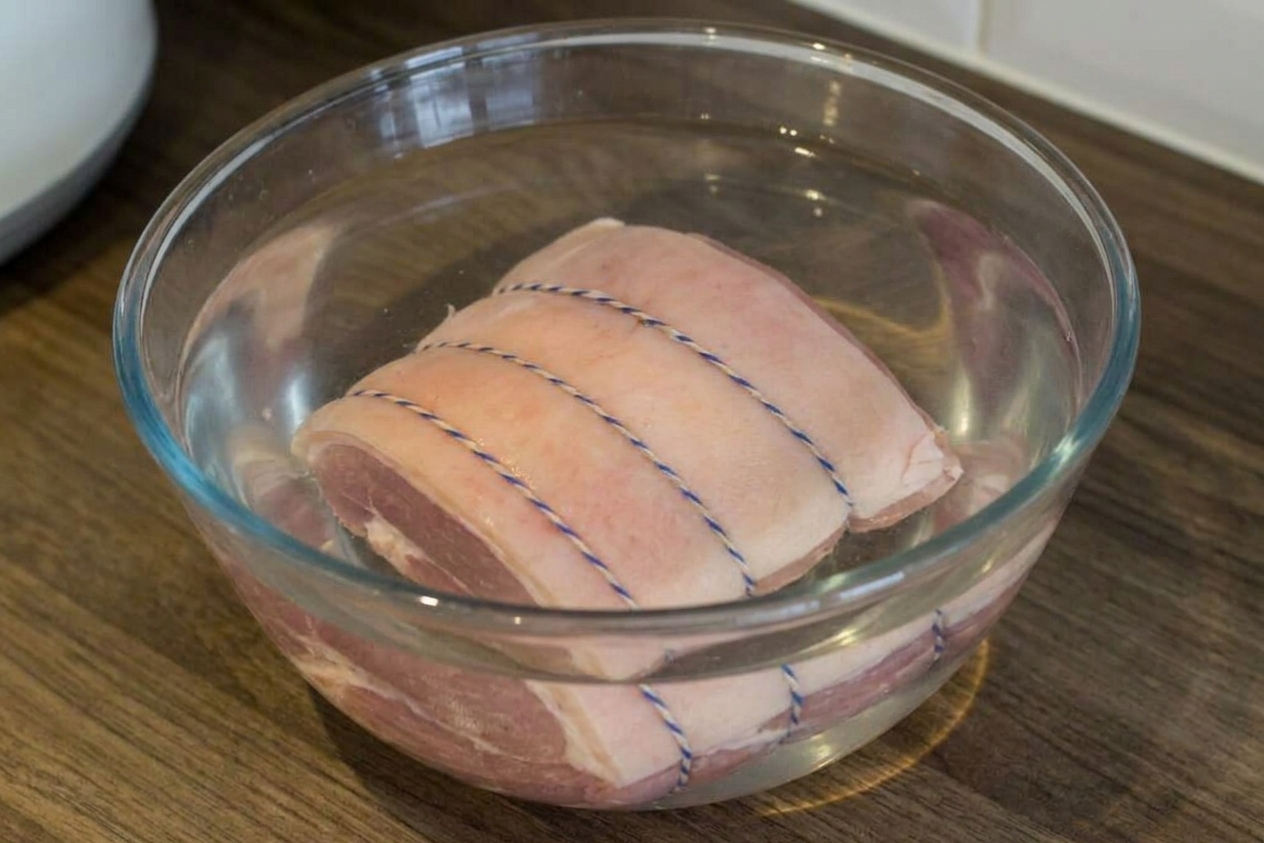
Option 1: Quick soak
Place the uncooked gammon in a bowl of cold water for 30 to 60 minutes, then discard the water. Pat dry and proceed. This is my go-to when I have time but not a lot of patience.
Option 2: Overnight soak
Soak the joint in the fridge in cold water for 8 to 12 hours, changing the water once if you can. Pat dry before slow cooking.
Option 3: Blanch first
If you have a joint that is known to be aggressively salty, you can blanch it:
- Put gammon in a pot, cover with cold water.
- Bring to a boil, then simmer 5 to 10 minutes.
- Drain, rinse, then transfer to the slow cooker with fresh low-salt liquid and aromatics.
Blanching removes a noticeable amount of surface cure, but it is an extra step. I save it for emergency salt control.
Cola, ginger ale, or cider?
You can, but this is where oversalty results often sneak in. Some brands of soda and mixers contain added sodium, and the bigger issue is that sweetness and strong flavor can make the saltiness feel louder. If you go this route, keep everything else low-salt and do not add stock cubes or salty glazes.
- Cola: tasty, but it can make the final juices intensely flavored and not always in a good way. If you love it, use half cola and half water, and do not add any stock.
- Ginger ale: generally gentler than cola. Still, check the label for sodium.
- Alcoholic cider: flavor is great, but alcohol behaves a little differently in a slow cooker. Use it as part of the liquid, not all of it, and keep the lid on so you do not lose too much moisture.
If your whole goal is less salty gammon, water and unsalted apple juice are the safest, most consistent choices.
Finishing glaze
Slow cooked gammon tastes wonderful as-is, but a quick finish adds that classic glossy top. Keep your glaze sweet and tangy, not salty.
Simple low-salt glaze ideas
- Honey + mustard: 2 tablespoons honey + 1 tablespoon Dijon mustard (Dijon adds some salt, so keep it modest).
- Brown sugar + orange: 2 tablespoons brown sugar + 1 tablespoon orange juice.
- Apricot jam glaze: warm 3 tablespoons jam with a splash of water to thin.
How to glaze
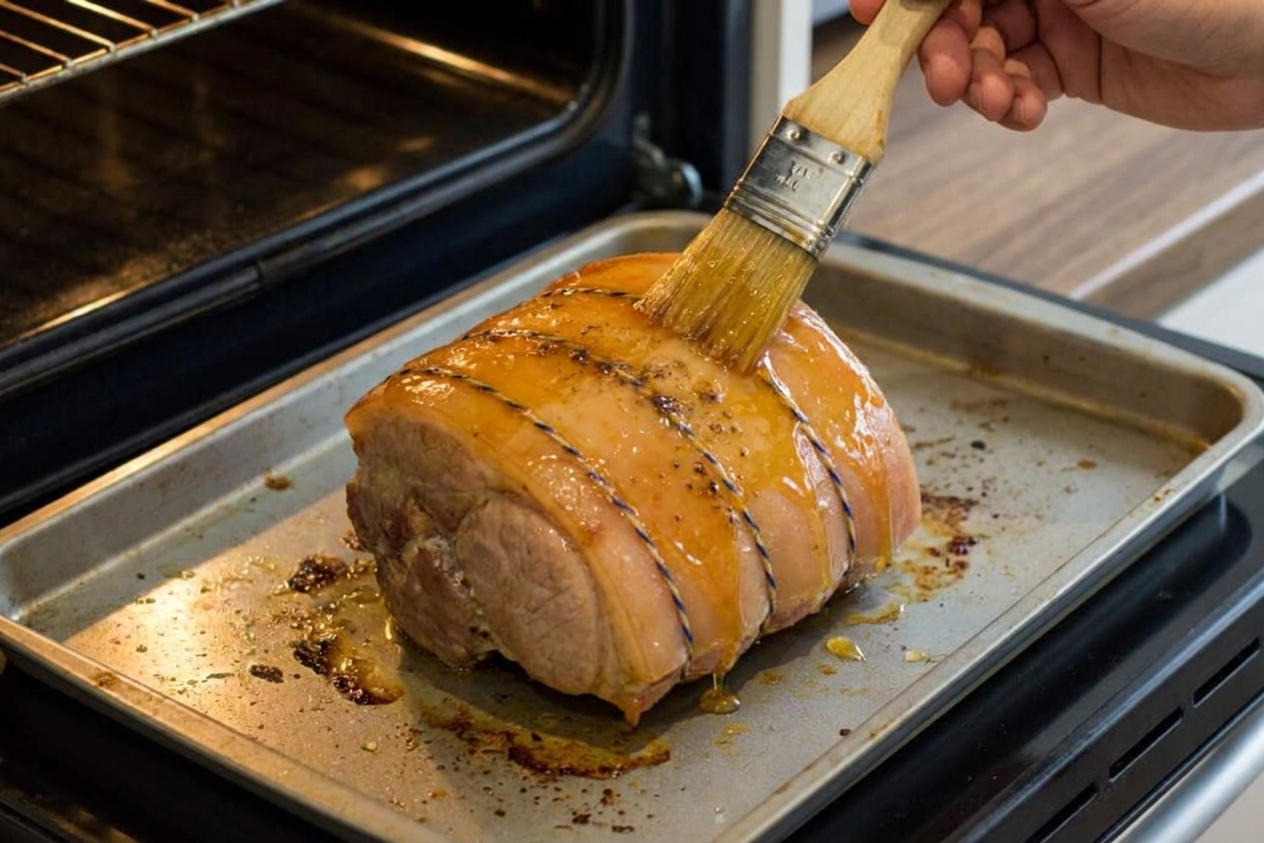
- Preheat oven to 425°F / 220°C (or use a broiler grill).
- Place the cooked gammon on a baking tray.
- Brush with glaze and bake 8 to 12 minutes until glossy. Watch closely.
Slicing, serving, and storing
How to slice
Slice across the grain, and do not rush the rest. Even 10 minutes makes a difference with cured pork.
Sides that balance salt
- Unsalted or lightly salted mashed potatoes
- Steamed green beans with lemon
- Roasted carrots or parsnips
- Cabbage or kale sautéed with apple
Storage
- Fridge: store cooled slices in an airtight container for up to 3 to 4 days.
- Freezer: freeze sliced gammon (with parchment between layers) for up to 2 months for best quality.
Troubleshooting
It is still too salty
Yes, you can save it. Slice it, then simmer the slices in unsalted water for 2 to 3 minutes. Drain well. This will pull out a bit of salt and is surprisingly effective for leftovers.
The gammon turned out dry
- You likely cooked a ready-to-eat ham as if it were raw gammon, or cooked past the target temperature.
- Next time, cook on LOW and start checking temperature early.
- For leftovers, warm slices in a little unsalted broth or water, covered, so steam can rehydrate them.
Can I cook it without any liquid?
I do not recommend it for gammon. A little liquid helps moderate the cure, keeps the environment moist, and gives you gentler, more even cooking.
Quick FAQ
Do I need to soak a small gammon joint?
Not always. If the label suggests soaking, do it. If you have had salty results before, a 30 to 60 minute soak is a simple insurance policy.
What internal temperature should it reach?
Follow the packaging if it provides a target. If it does not, 63°C / 145°F plus a 3 minute rest is commonly used for whole cuts of pork, but some gammon producers recommend a higher endpoint. When in doubt, go by the label and cook until tender.
Can I use the slow cooker liquid for gravy?
You can, but taste first. If it is salty, do not reduce it. Instead, use a small amount for flavor and bulk it out with unsalted stock or water, then thicken.
Is gammon the same as ham?
In UK and Irish usage, gammon is cured pork that is typically sold uncooked, and ham is gammon that has been cooked. Elsewhere, labels vary and “ham” can mean different things, so the safest move is to check whether your joint is raw or fully cooked.