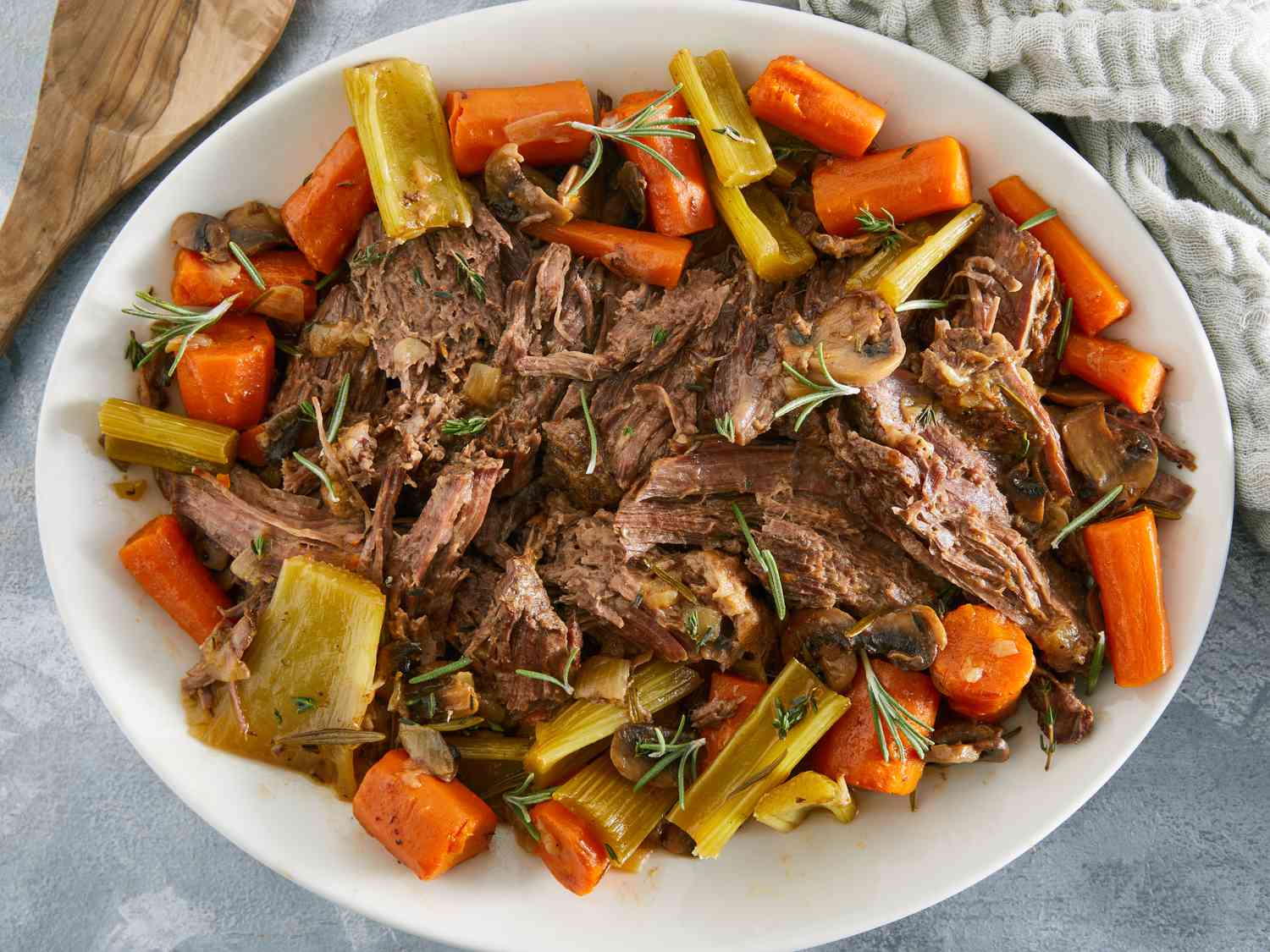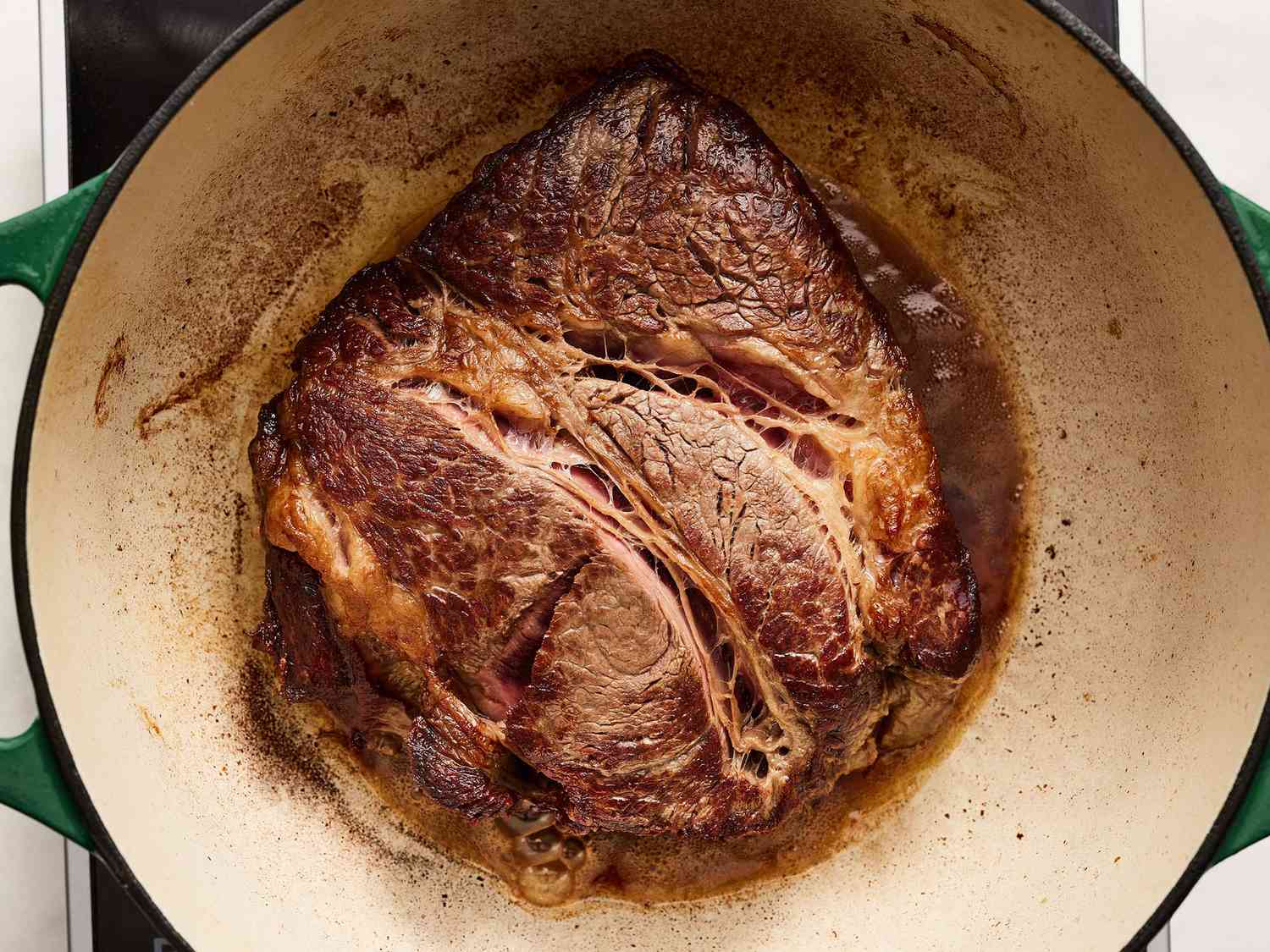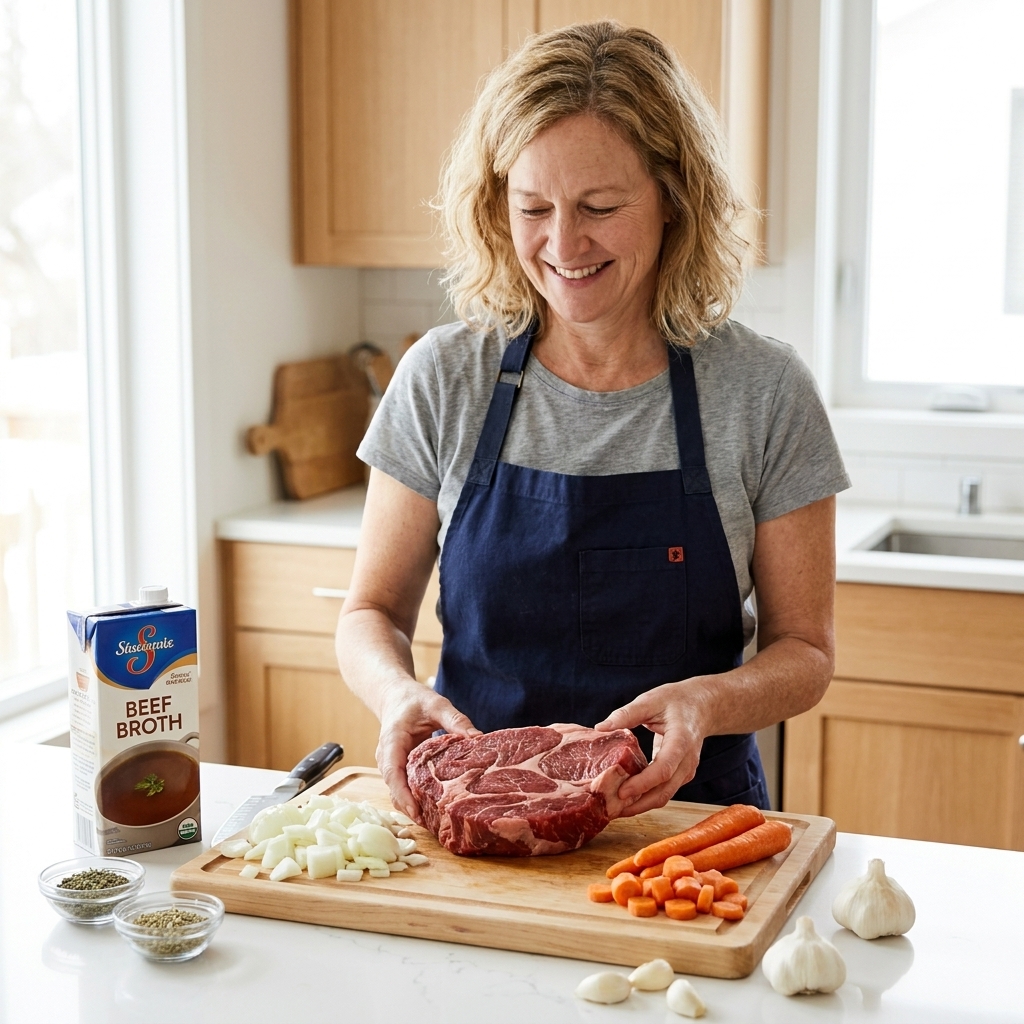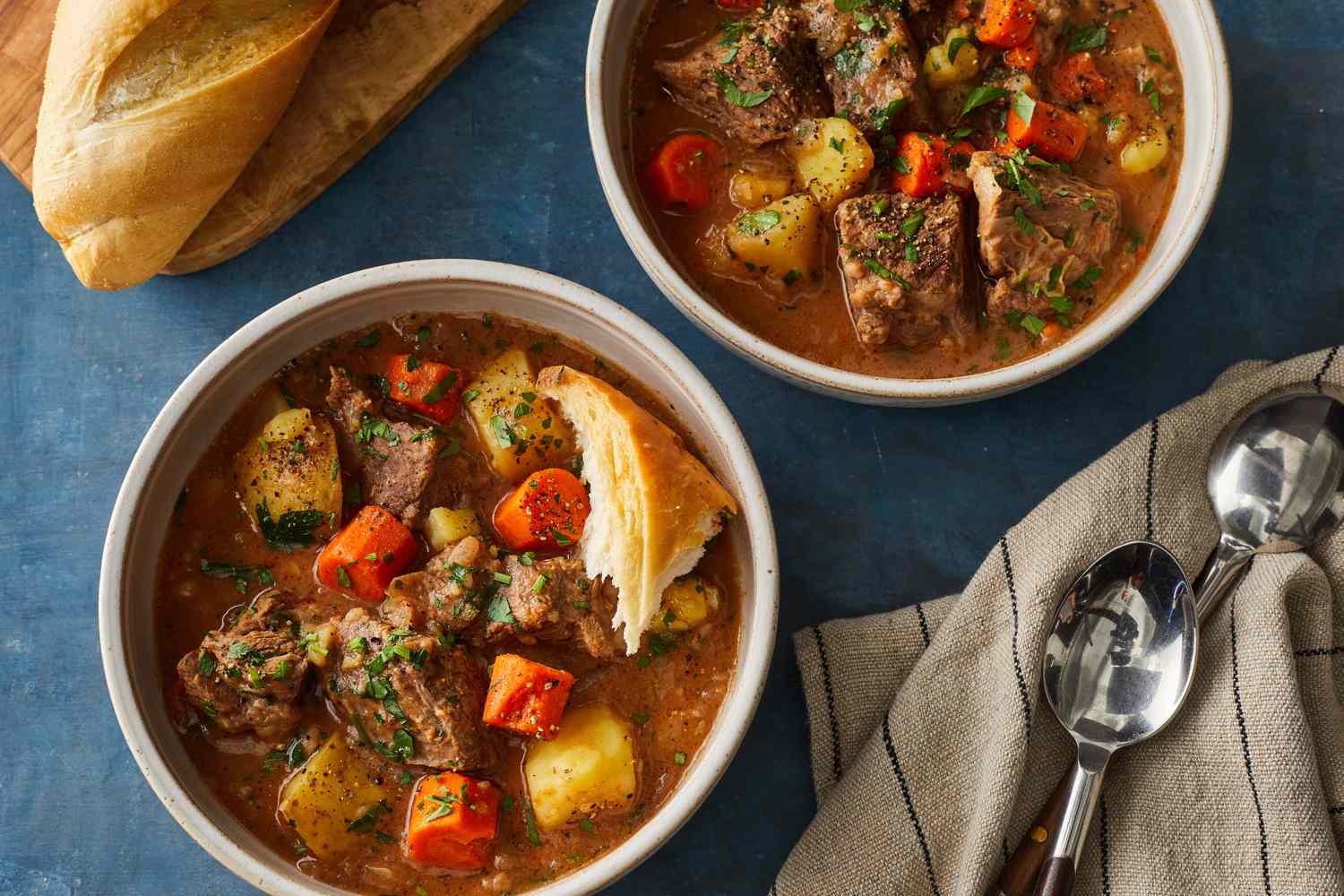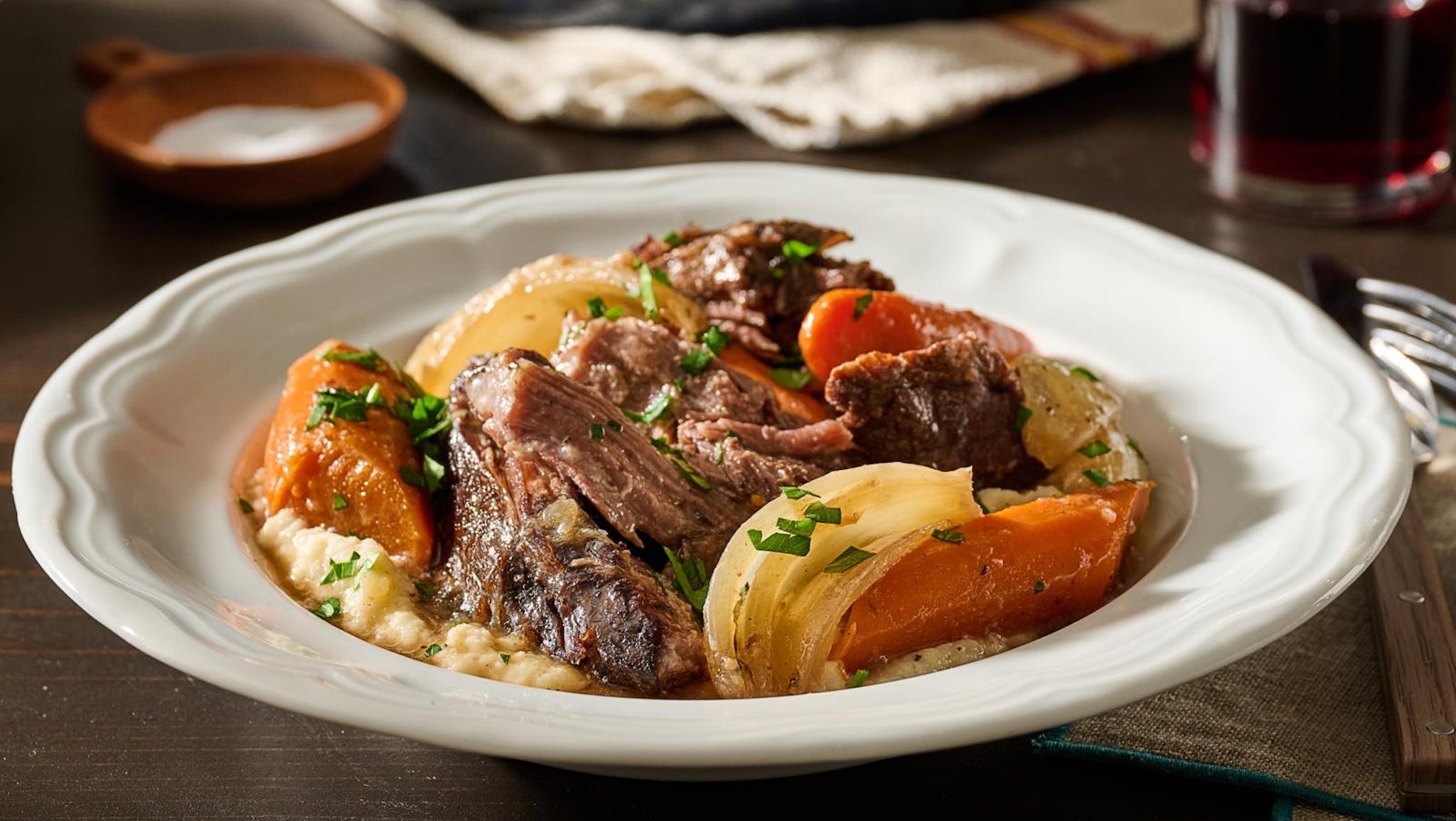
The quick truth about tough roast
If your slow cooker roast is tough, it usually means one of two things:
- It did not cook long enough for the connective tissue (collagen) to melt into gelatin.
- It cooked too hot, too long, or too lean, so the muscle fibers tightened and squeezed out moisture.
The tricky part is that both problems can feel the same at dinnertime: chewy slices and a roast that refuses to shred. The good news is that slow cooker roasts are very forgiving, and most “tough roast” situations are totally fixable.
My one rule: fork-tender is the only timer
Ignore the clock when you can. A pot roast is done when a fork twists easily and the meat feels soft, not springy. Time estimates help you plan, but tenderness is the real finish line.
Most common mistakes (and exactly how to fix them)
1) Using the wrong cut of meat
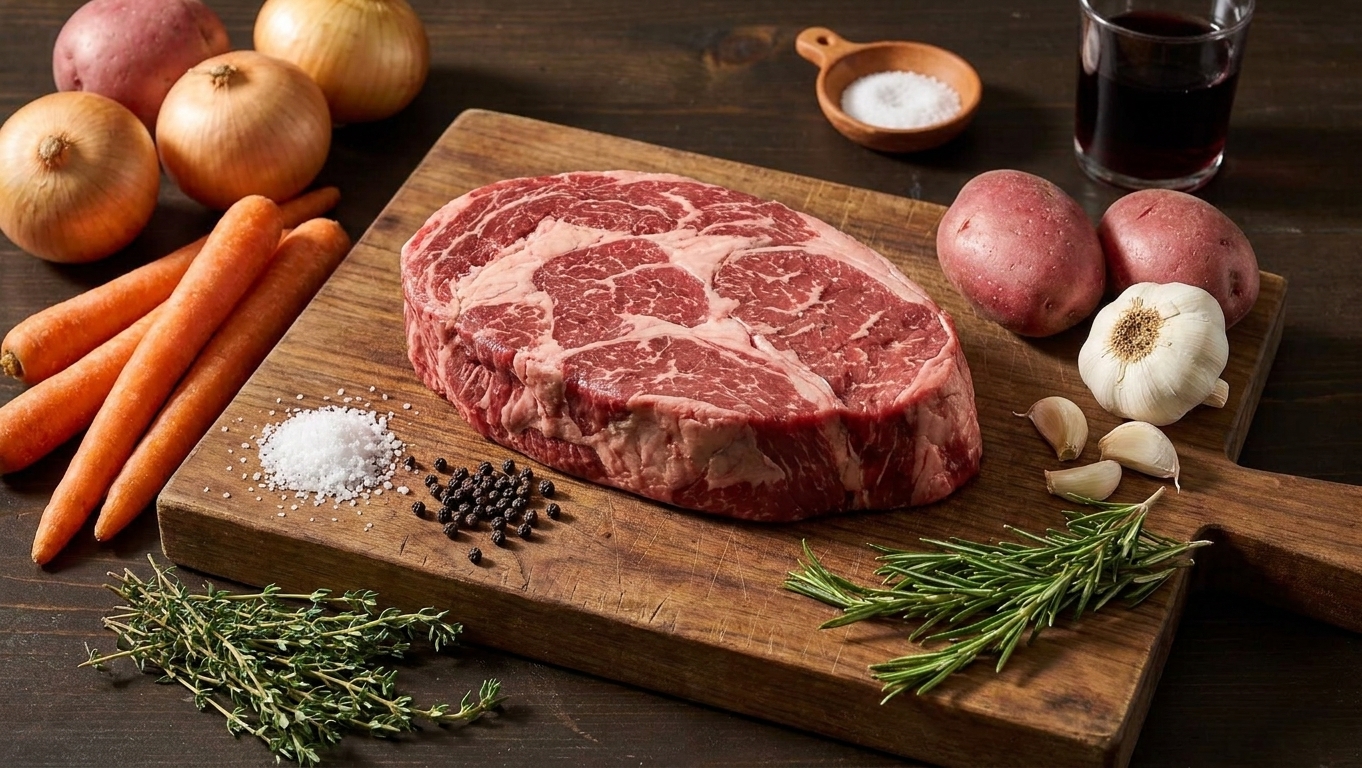
Slow cookers love tough, well-marbled cuts. Lean roasts can turn dry and tight, even if they are technically “done.”
Best cuts for slow cooker roast:
- Chuck roast (my top pick for classic pot roast)
- Brisket (rich and sliceable)
- Bottom round or rump roast (leaner, but can work with extra care)
- Cross rib or shoulder roast (great braising options in many regions)
Fix: If you used a lean cut (like eye of round or top round), plan to slice, not shred, and keep it in plenty of braising liquid. Next time, grab chuck roast when you can.
2) Not cooking it long enough (the #1 cause of chewy roast)
This one surprises people: a roast can be tough because it is under-cooked. Collagen needs time to break down. If you stop early, you get “done but chewy.”
Fix: Keep cooking. Add 60 to 90 minutes, then check again. A pot roast is ready when:
- A fork twists easily in the meat
- It shreds with gentle pressure
- The center feels soft, not springy
Helpful guideline: For a 3 to 4 pound chuck roast, you are usually looking at 8 to 11 hours on LOW (varies by slow cooker, roast thickness, and starting temperature). If it is not fork-tender at 8 hours, it is not done yet.
3) Cooking on HIGH the whole time
HIGH can work in a pinch, but it is less forgiving. The main issue is that HIGH shrinks the window between “not yet tender” and “oops, now it is dry,” especially with leaner roasts.
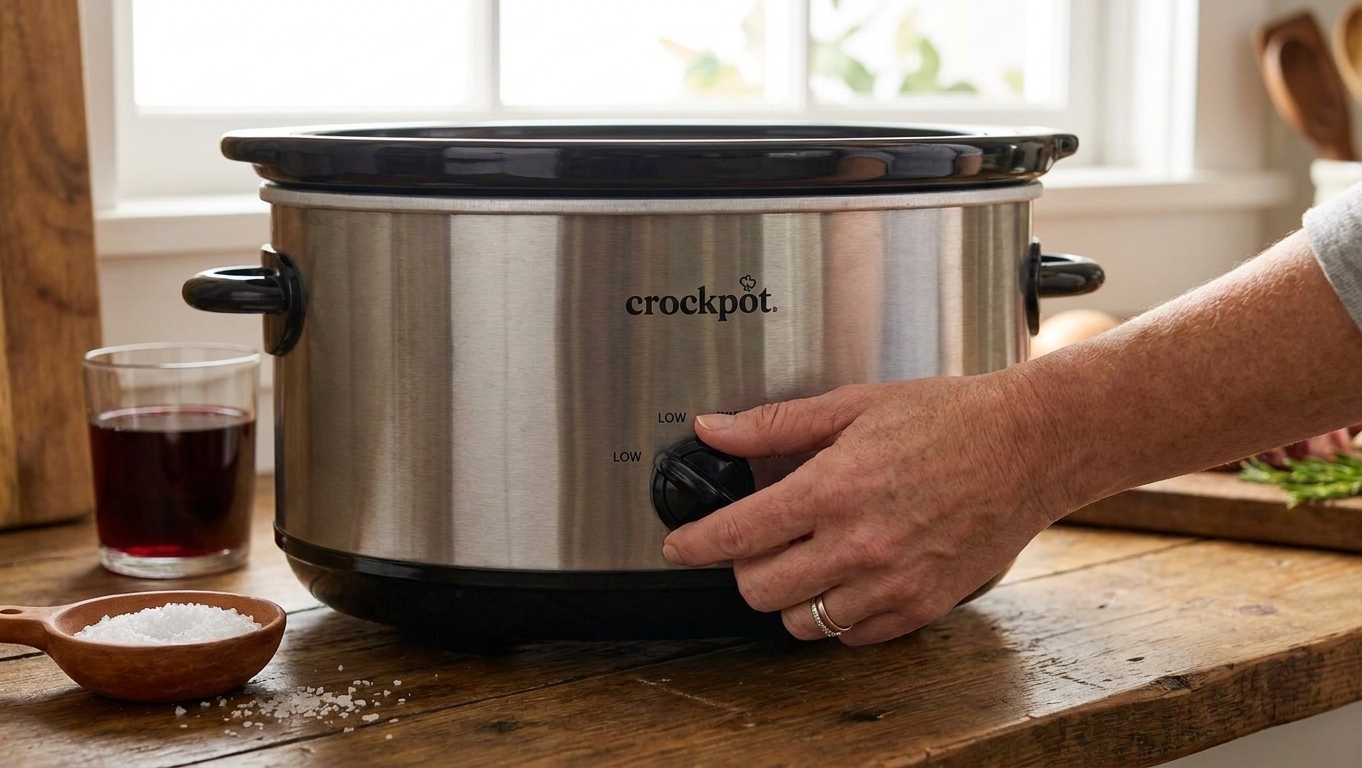
Fix: When you want that “falls-apart” texture, choose LOW whenever possible. If you must use HIGH, consider:
- Cutting the roast into 2 or 3 large chunks for more even cooking
- Adding a bit more liquid to protect the meat
- Starting on HIGH for about 1 hour to help the cooker come up to temperature, then switching to LOW to finish
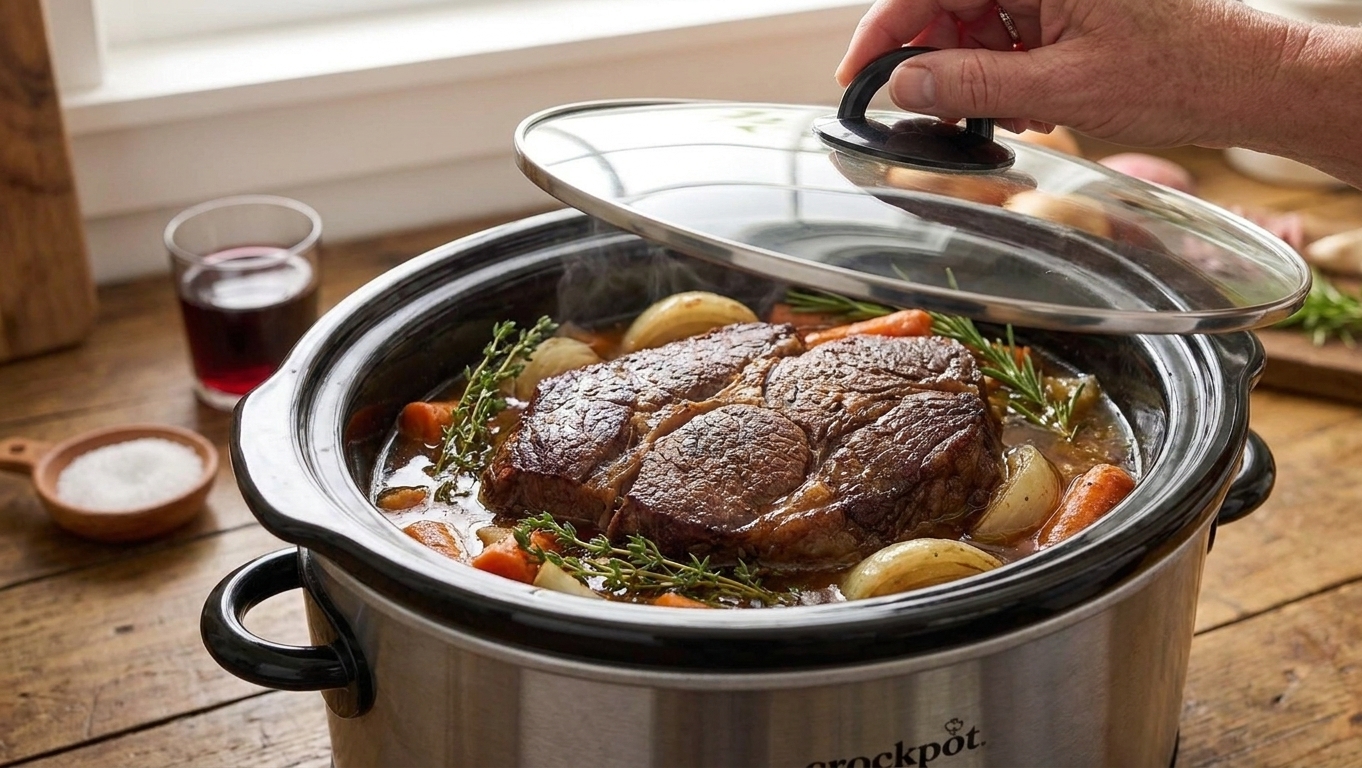
4) Lifting the lid too often
I know it is tempting. I have been there. But every peek lets heat escape, and your slow cooker has to spend time climbing back up to temperature.
Fix: Treat the lid like it is glued on. If you want to add veggies later, do it once, quickly, and put the lid right back.
5) Too little liquid (or the roast is sitting too high and dry)
Slow cookers do not need to submerge the roast, but the meat should be in a moist environment with enough liquid to create steady braising.
Fix:
- Add 1 to 2 cups broth, wine, or a broth and tomato paste mix (amount depends on cooker size and roast size).
- Place onions under the roast to create a “rack,” then pour liquid around the sides.
- If your roast looks dry halfway through, spoon a little hot liquid over the top and get the lid back on fast.
6) Too much liquid (it changes the texture and flavor)
Too much liquid will not usually make the meat tough, but it can turn pot roast into something closer to poached beef. The biggest downside is often diluted flavor, and the texture can feel softer and less “roast-like.”
Fix: Aim for a braise, not a soup bath. A good rule is liquid coming up about one-third to halfway up the roast. If you accidentally added too much, you can:
- Remove some liquid early (carefully) and keep cooking
- Or keep it, then reduce it into a gravy at the end for better flavor
7) Adding potatoes and carrots too early (and crowding the pot)
Overcrowding slows cooking and can keep meat from sitting in the hottest zone. Also, long-cooked veggies can break down, soak up liquid, and muddle the texture.
Fix:
- Use a slow cooker that fits the roast with some breathing room.
- As a general rule, try not to fill your slow cooker more than two-thirds to three-quarters full.
- Add hearty vegetables in the last 2 to 4 hours if you prefer them intact.
- Or place veggies under and around the roast, not packed on top like a lid.
8) Slicing the roast the wrong way
Even a properly cooked roast can feel chewy if it is sliced with the grain.
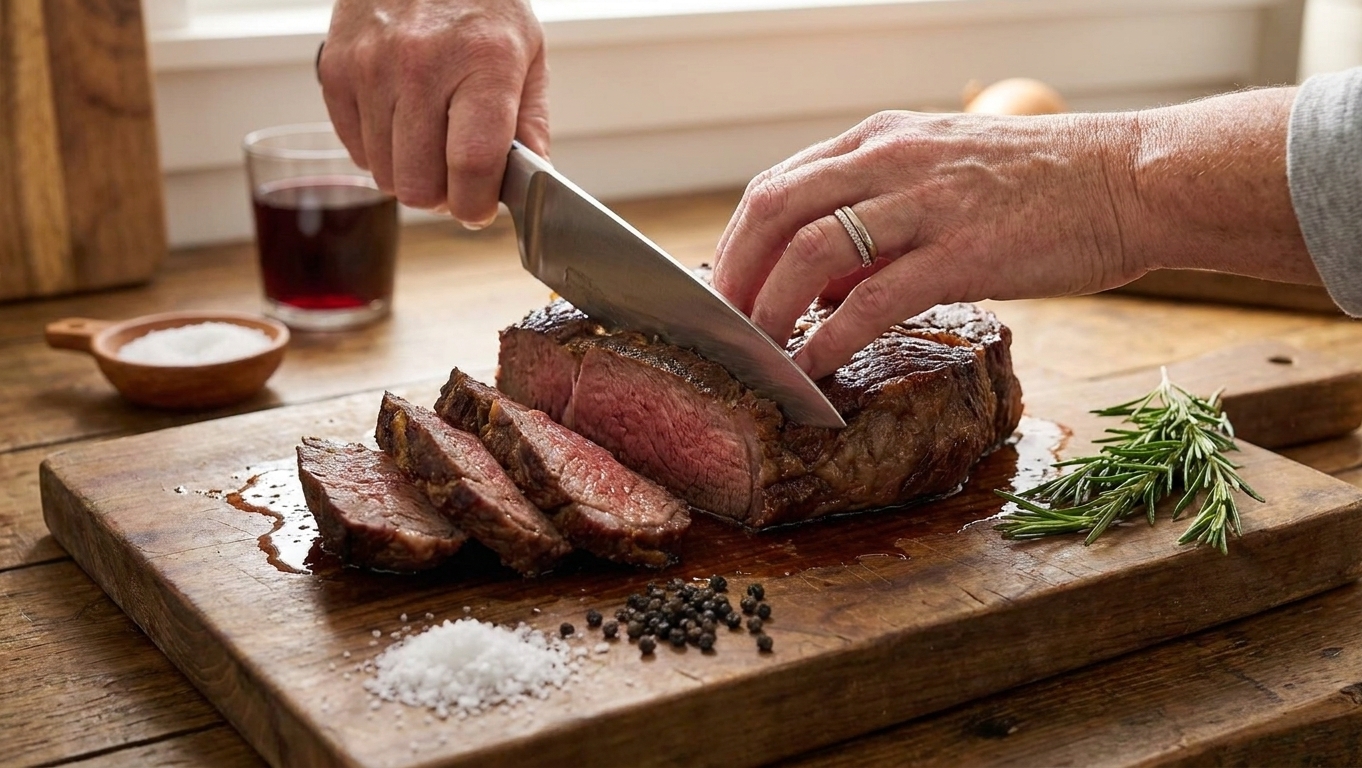
Fix: If you are slicing (not shredding), let the roast rest (more on that below), then slice against the grain. Look for the direction of the muscle fibers and cut across them like you are shortening the strands.
How to rescue a tough roast (even after dinner time)
If your roast is tough right now, do not panic. This is my go-to rescue plan.
Rescue plan: keep cooking with a little liquid
- Put the meat back in the slow cooker.
- Add 1/2 to 1 cup warm broth (or some of the cooking juices).
- Cook on LOW for 60 to 120 minutes.
- Check every 30 to 45 minutes until it shreds or slices tenderly.
Tip from my weeknight reality: If you are already hungry, pull out the veggies, cover them, and keep the meat cooking. No one enjoys carrots that have turned to mush while the roast catches up.
If it is dry and stringy
Dry roast often means it went too hot, too long, or it was too lean. You cannot fully undo it, but you can make it delicious.
- Shred it and stir it back into some warm juices or gravy.
- Add a splash of broth and a little butter for richness.
- Serve it as hot beef sandwiches, tacos, or over mashed potatoes where sauce can help.
Quick food safety note
If dinner got delayed, do not leave cooked meat sitting out for hours. If you are going to rescue it later, refrigerate it promptly, then reheat until piping hot before serving. The slow cooker is great for cooking, but it is not meant to hold food at unsafe temperatures on the counter.
The settings I swear by
Every slow cooker runs a little differently, but these guidelines are a solid starting point.
- Cut: 3 to 4 lb chuck roast
- Season: Salt generously, pepper, garlic, and a little thyme or rosemary (salting 8 to 24 hours ahead helps if you can swing it)
- Liquid: 1 to 2 cups beef broth (plus onion and a spoon of tomato paste if you want deeper flavor)
- Time: about 8 to 11 hours on LOW, or until fork-tender
- Vegetables: Add in the last 3 to 4 hours for firmer texture
Do not skip this: rest your roast
Resting is not just for steaks. If you are slicing, let your roast sit for 10 to 20 minutes (on a cutting board, loosely covered). This helps the juices settle so you get a more tender bite.
If you are shredding, you can usually shred right in the cooker, but I still like giving it a few minutes off the heat so it is easier to handle.
If you are making gravy, that rest time is perfect for skimming a little fat and thickening the cooking liquid on the stove.
FAQ
Why is my slow cooker roast tough but the temperature is “done”?
Because tenderness is about collagen breakdown, not just reaching a safe internal temp. A roast can hit a done temperature and still need another 1 to 2 hours to become fork-tender.
If you like having a number in mind, many roasts turn the corner into tender territory around 195 to 205°F, but the best test is still probe-tender (a fork or skewer slides in with very little resistance).
Should I sear my roast before slow cooking?
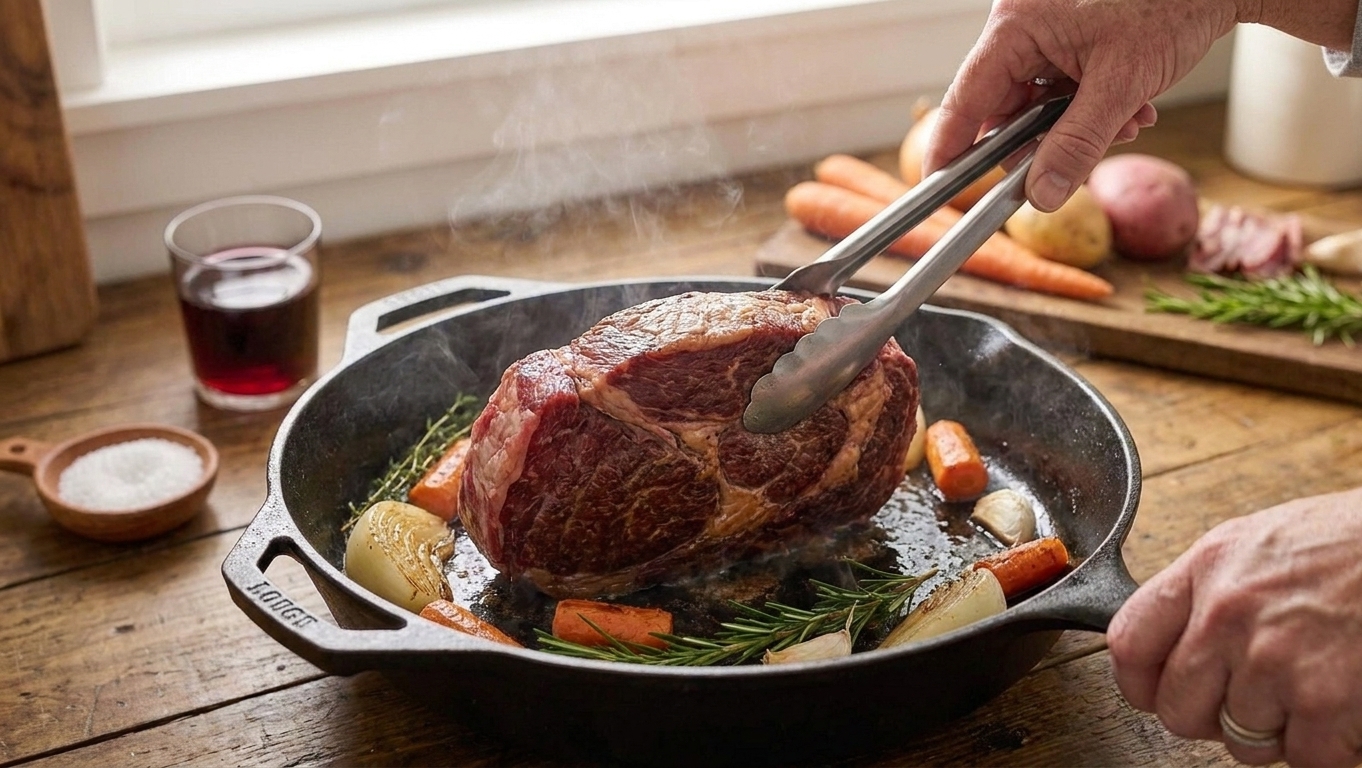
Searing does not make it more tender, but it adds deeper flavor. If you have 5 to 7 minutes, sear in a hot skillet with a little oil. If you do not, you can still get a great roast with good seasoning and enough time on LOW.
Can I cook a roast too long in the slow cooker?
Yes. Past the tender stage, meat can turn dry and stringy, especially with leaner cuts. If your roast is already shredding easily, it is time to switch to WARM and keep it in some juices.
Why is my roast tough on LOW for 8 hours?
Three common reasons: the cut is very lean, the roast is unusually thick, or your slow cooker runs cooler. Keep cooking another 60 to 120 minutes and check again. Tenderness is the best “timer.”
How much liquid should be in the slow cooker for pot roast?
Enough for a steady braise. I like liquid that comes up about one-third to halfway up the roast. Too little risks dryness, too much can dilute flavor.
My biggest takeaway for busy cooks
If you remember nothing else, remember this: tough roast usually needs more time, not less. Keep the lid on, stay on LOW when you can, and let the collagen do its slow cooker magic. Your future self walking in the door to that cozy roast smell will thank you.