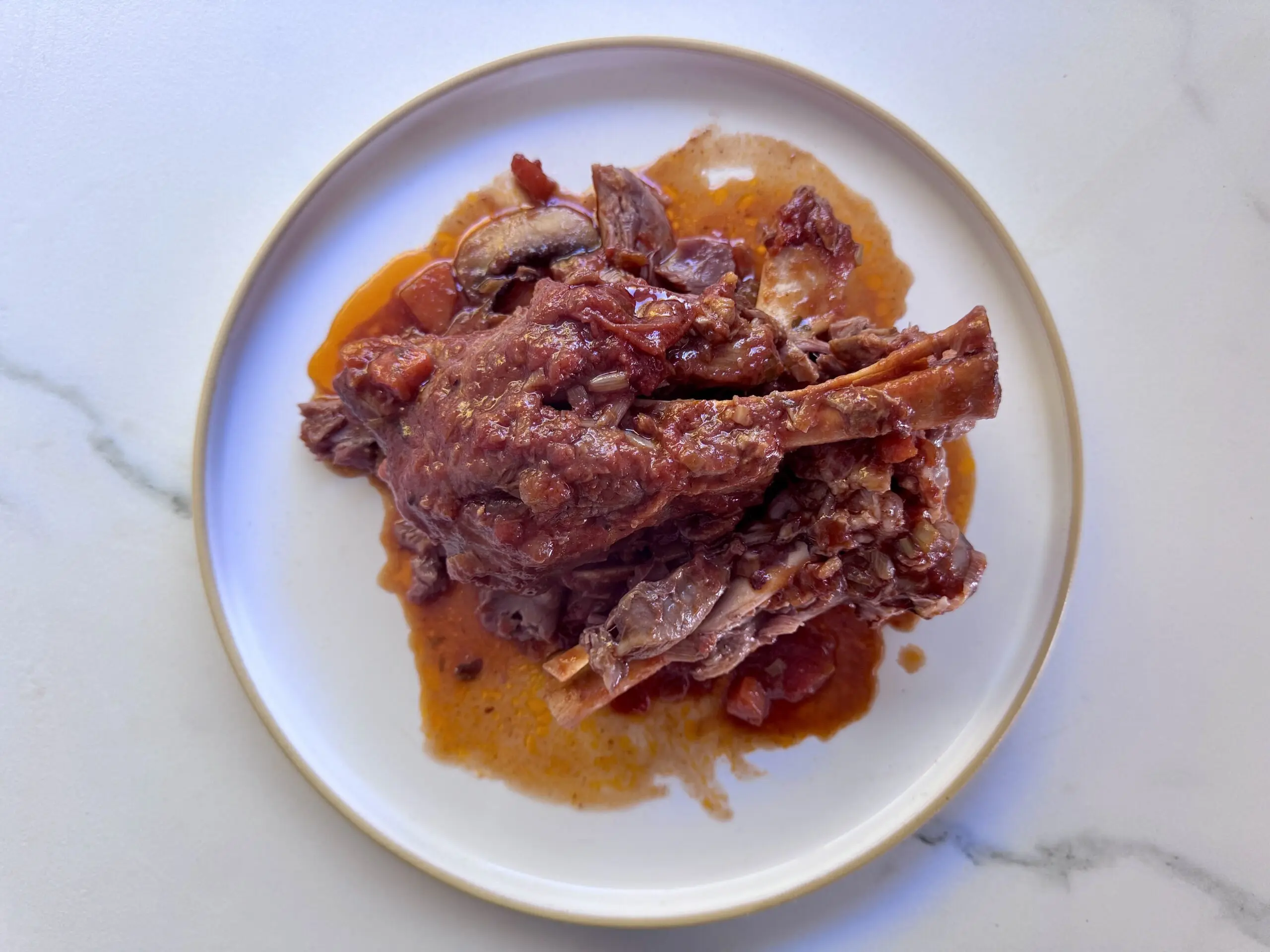
Lamb shanks are one of those “restaurant dinner” cuts that feel fancy, but they are honestly made for the slow cooker. They are tough at the start (lots of connective tissue), and low, steady heat turns all of that into silky, spoonable tenderness. If you have ever had a shank come out chewy, bland, or swimming in thin broth, this guide will help you fix that.
Why lamb shanks work in a slow cooker
Lamb shanks are the lower leg portion of the animal. They work hard, which means:
- Lots of collagen: This melts into gelatin during a long cook, giving you that fall-apart texture and a naturally rich sauce.
- Big, bold flavor: Shanks taste “lamby” in the best way, and they hold up to garlic, rosemary, red wine, tomatoes, and warm spices.
- They forgive a busy day: An extra 30 to 60 minutes on LOW usually helps more than it hurts.
Shopping tips
How many shanks per person?
- 1 shank per adult is the safest bet, especially if they are average to large.
- If they are very large or you are serving lots of sides, 1 shank can stretch to 2 people.
What to look for
- Meaty shanks with good thickness around the bone.
- Pink-red meat and creamy white fat (not gray fat).
- If you can choose, similar-sized shanks cook more evenly.
Frozen shanks: Totally fine, but thaw them in the refrigerator for best texture and food safety. (Slow cookers are not great at safely thawing large frozen cuts.)
Prep tips
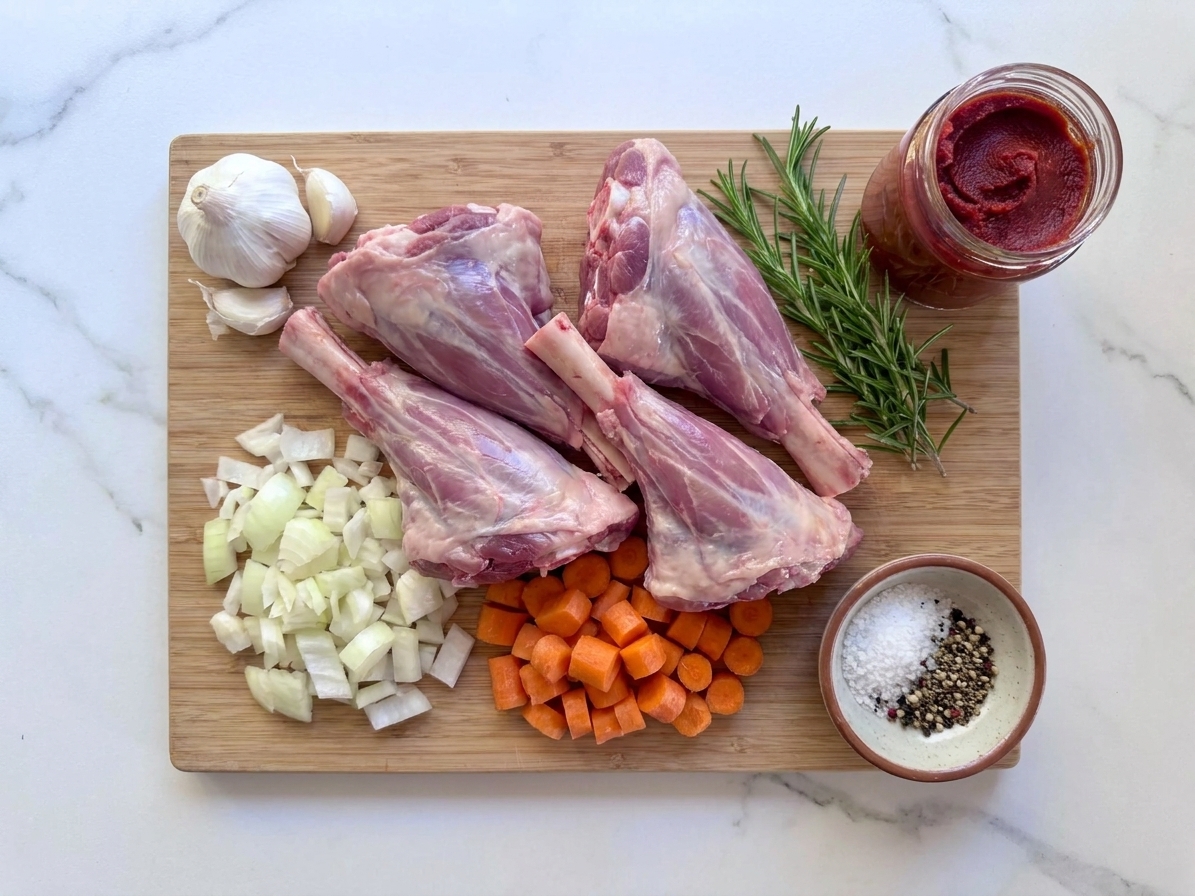
Trim for a cleaner sauce
You do not need to go crazy here, but a quick trim helps.
- Trim off any thick outer fat (leave a little for flavor).
- If you see silvery skin, peel or trim what you can. It will not melt the way collagen does, and it can make the sauce feel greasy.
- Pat the shanks very dry before seasoning, especially if you plan to sear.
Slow cooker size and fit
- A 6-quart slow cooker is the sweet spot for 3 to 4 average shanks.
- If the shanks do not fit in a single layer, stacking is fine. Try to keep the meatiest parts down in the liquid zone.
- If you stack, rotate once midway if you are home. If you are not home, do not stress. They will still get tender.
- Do not pack them so tightly that the lid will not sit flat.
Flavor basics
Think of slow cooker lamb shanks as two layers of flavor: what you put on the meat, and what you build in the pot.
My go-to seasoning blend
- Kosher salt: about 3/4 to 1 teaspoon per shank (adjust for size)
- Black pepper: generous
- Garlic powder or fresh garlic: either works
- Rosemary and thyme: fresh if you have it, dried if you do not
Optional but wonderful: lemon zest (brightens), smoked paprika (warm), ground cumin or coriander (slight earthiness).
Aromatics for a deeply braised sauce
- Onion (or shallots)
- Carrots
- Celery
- Tomato paste (small amount, big payoff)
- Bay leaf
If your weeknight brain is tired, remember this shortcut: onion + garlic + tomato paste + herbs gets you most of the way there.
Do you need to sear first?
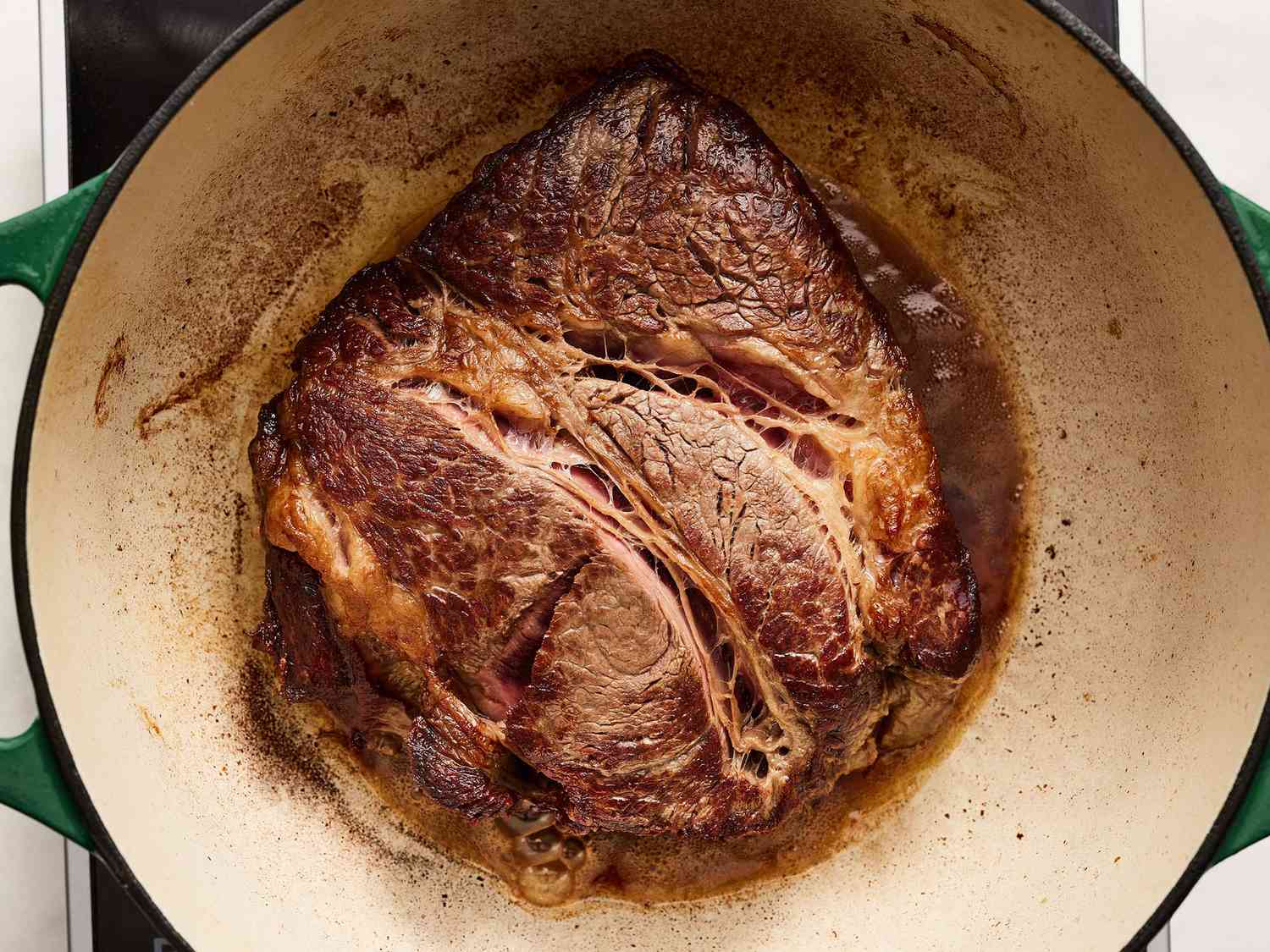
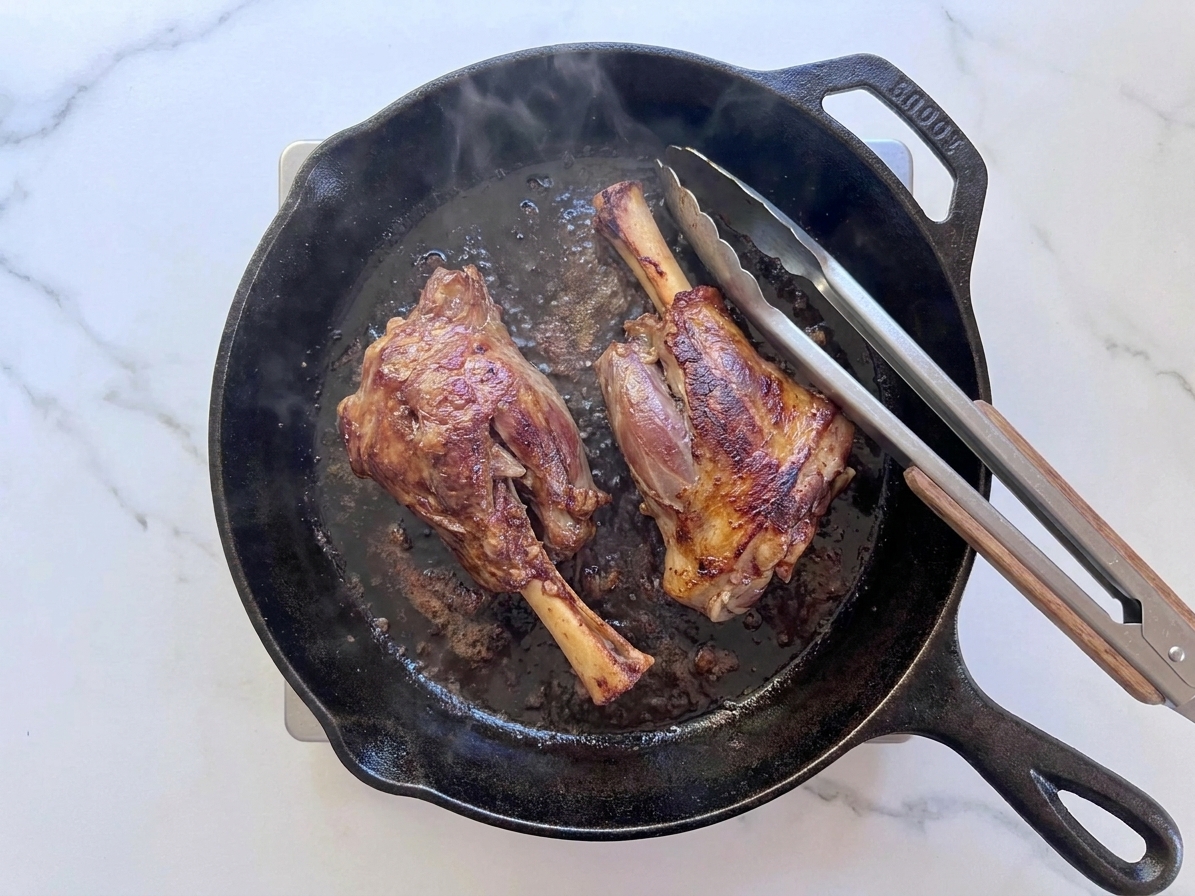
You do not have to, but I highly recommend it when you can. Searing adds deep, savory flavor that a slow cooker cannot create on its own.
When I always sear
- I want a rich, restaurant-style sauce
- I am using a simpler liquid like broth (instead of wine)
- The shanks have a lot of surface moisture (they will taste “boiled” if not browned)
When it is okay to skip
- You are truly doing dump-and-go and you are okay with a lighter flavor
- You are using a very flavorful braising base (wine, tomatoes, lots of aromatics)
Quick sear method: Pat shanks dry. Salt and pepper. Heat 1 to 2 tablespoons oil in a skillet over medium-high. Brown each side 2 to 4 minutes until you see real color. You are not cooking through, just building flavor.
Liquids for tender shanks
Lamb shanks like a braise. You need enough liquid to keep things moist and build sauce, but not so much that you end up with soup.
How much liquid
For most 6-quart slow cookers, aim for 1 1/2 to 2 1/2 cups total liquid for 3 to 4 shanks, depending on how snugly they fit and how many vegetables you add. The liquid should come up about 1/3 to 1/2 of the way around the shanks. They will release juices as they cook.
Great combinations
- Red wine + broth: classic, rich, and balanced
- Beef broth + a splash of balsamic: deep without opening wine
- Chicken broth + tomato sauce: lighter but still cozy
- Stock + crushed tomatoes: a little tang, great with rosemary
About wine: Alcohol does not disappear instantly. If you want to reduce the alcohol flavor, simmer the wine for a few minutes in the skillet after searing, scraping up browned bits, then pour it into the slow cooker. (It is more about mellowing and deglazing than fully removing the alcohol.)
Step-by-step
This is the reliable “master method” I use, whether I am going classic rosemary-garlic or leaning into Moroccan-style spices.
1) Set up the base
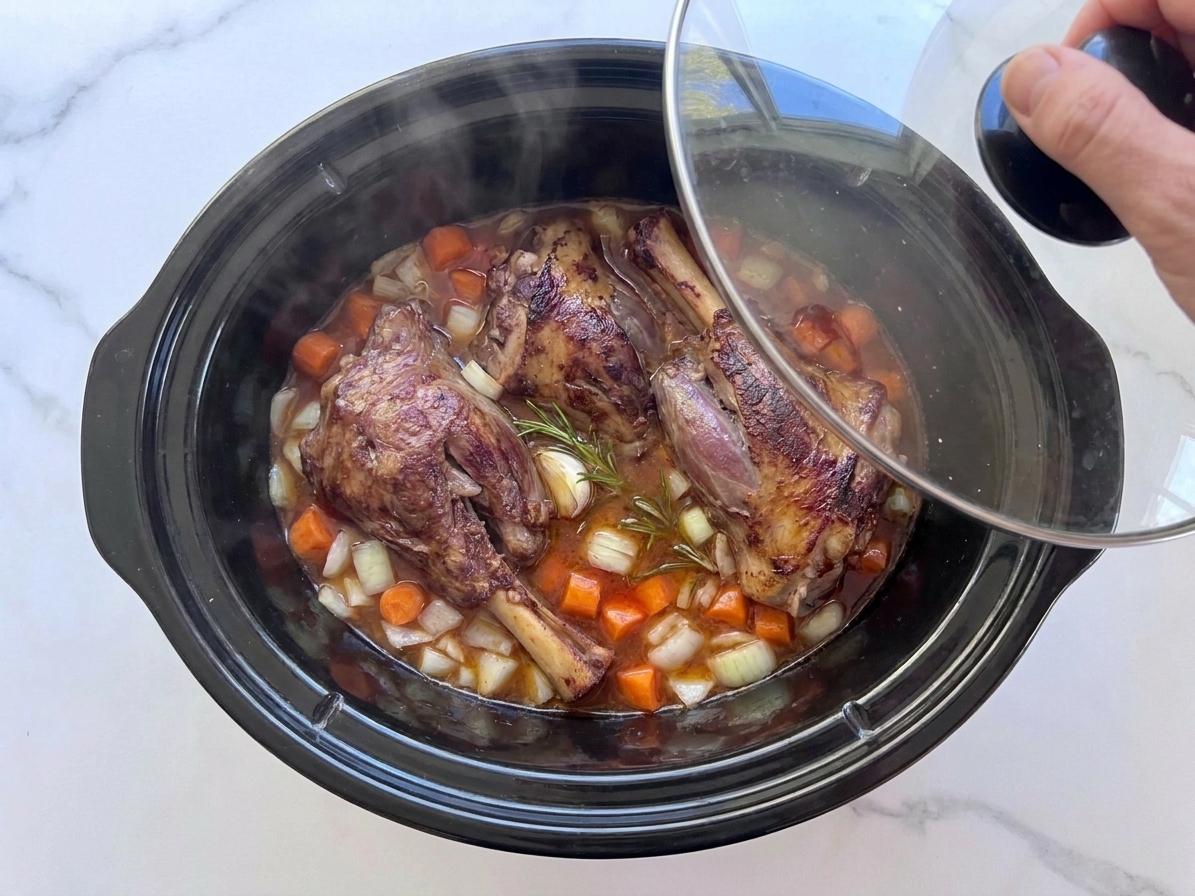
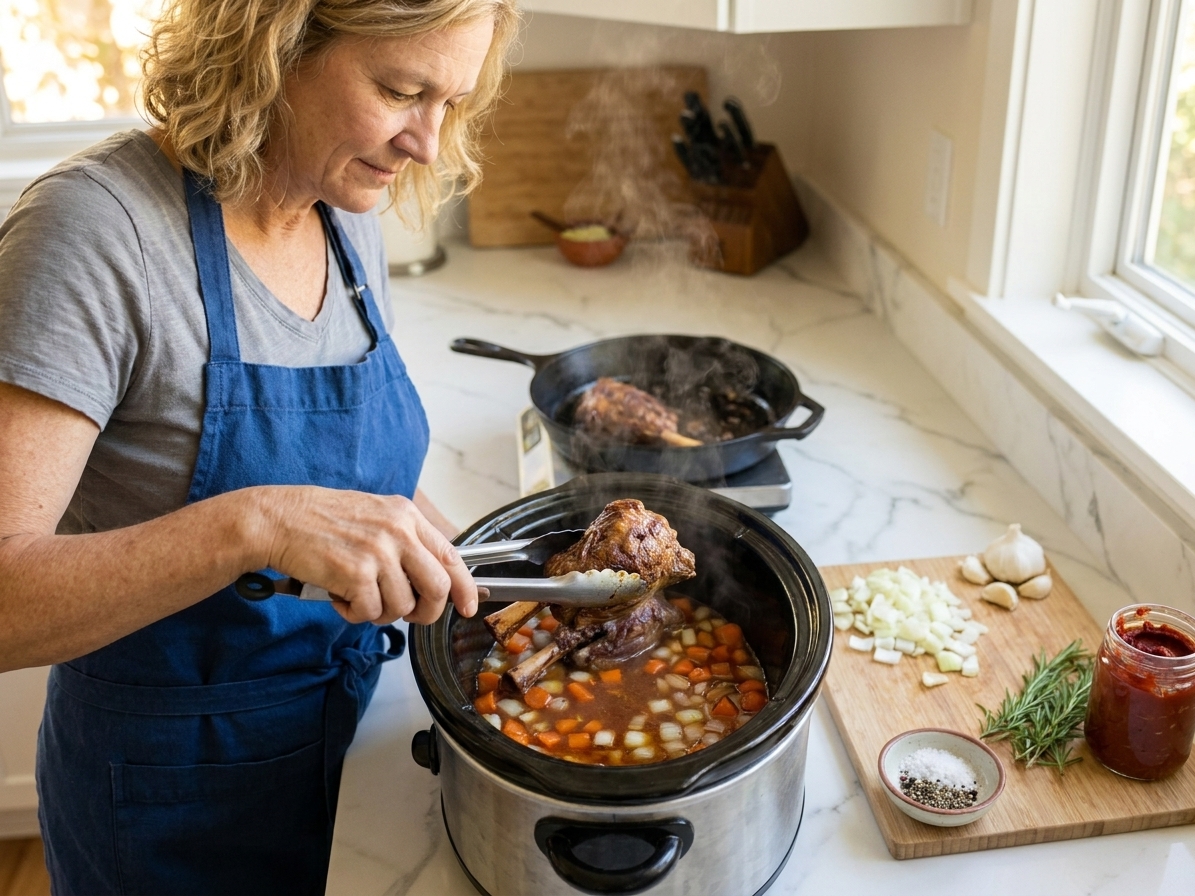
Add sliced onions, carrots, and celery to the bottom of the slow cooker. Stir in tomato paste (or just dollop it around). Add herbs and a bay leaf.
2) Season (and sear if you can)
Pat the shanks dry, season well, and sear until browned. Place them on top of the vegetables.
3) Add liquid
Pour in broth and wine (or your chosen liquid). The liquid should not cover the shanks.
4) Cook low and slow
- LOW: 8 to 9 hours (best texture)
- HIGH: 4 1/2 to 5 1/2 hours (works, but LOW is more forgiving)
Lid rule: Try not to lift the lid. Every peek dumps heat and can add cooking time.
5) Check for real tenderness
You are not just looking for “cooked.” You want the meat to pull away with a fork and feel soft all the way through. If it is still tight or chewy, it needs more time. Give it 30 to 60 more minutes on LOW and try again.
How to thicken the sauce
Slow cookers trap moisture, so sauces often need a quick finish.
Option A: Reduce on the stove
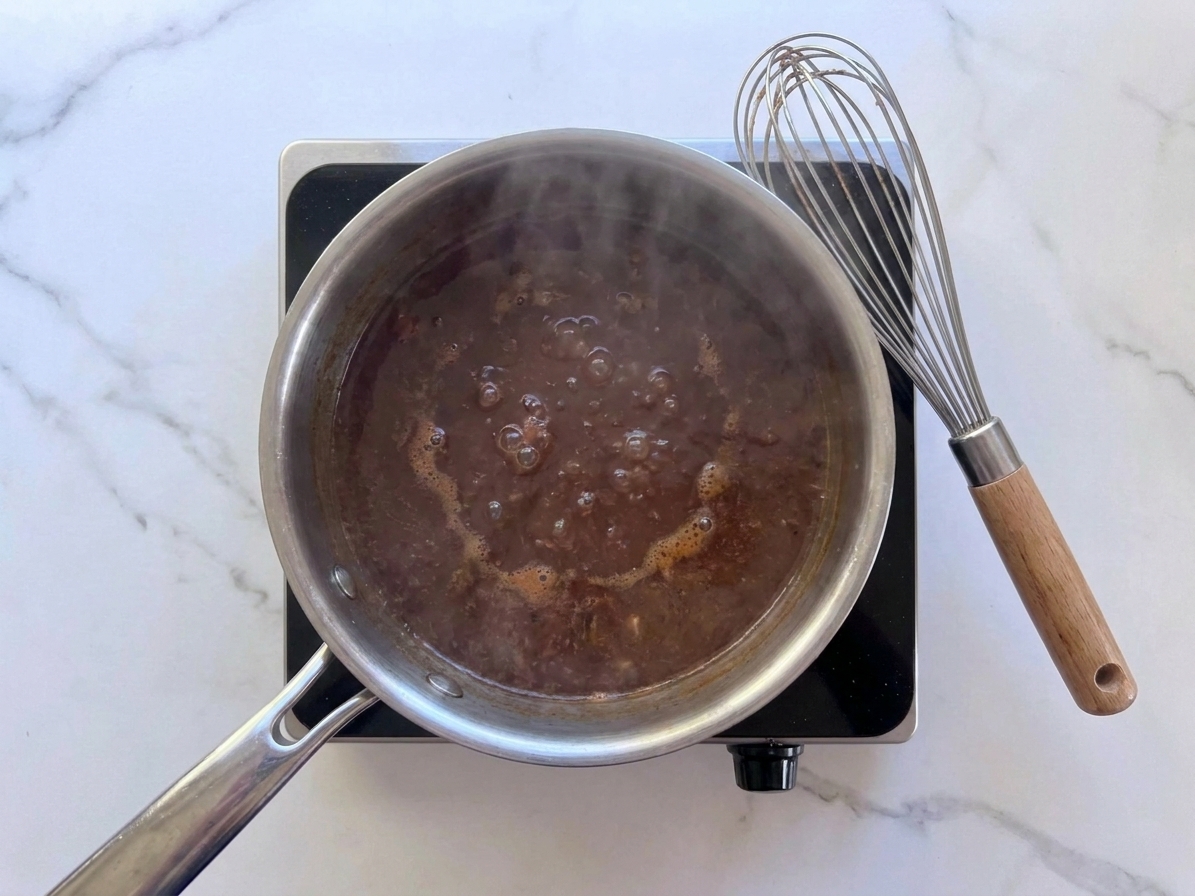
Remove shanks to a plate and tent with foil. Strain or spoon the cooking liquid into a saucepan. Simmer 10 to 20 minutes until it thickens slightly. Taste and adjust salt, pepper, and a splash of lemon juice or vinegar for balance.
Option B: Cornstarch slurry
Mix 1 tablespoon cornstarch with 1 tablespoon cold water. Whisk into simmering liquid (or whisk into hot slow cooker liquid and cover on HIGH 10 to 15 minutes). Add more slurry in small amounts if needed.
Option C: Mash vegetables into the sauce
If you cooked lots of onions and carrots, mash a scoop into the liquid for a naturally thicker, rustic gravy.
Flavor options
Classic rosemary garlic
- Rosemary, thyme, lots of garlic
- Red wine + beef broth
- Finish with lemon zest
Moroccan-inspired
- Cumin, coriander, cinnamon pinch, paprika
- Crushed tomatoes + broth
- Add chickpeas in the last hour, finish with chopped parsley
Tomato and balsamic
- Tomato paste + crushed tomatoes
- Broth + 1 to 2 tablespoons balsamic
- Finish with a knob of butter for shine
What to serve with lamb shanks
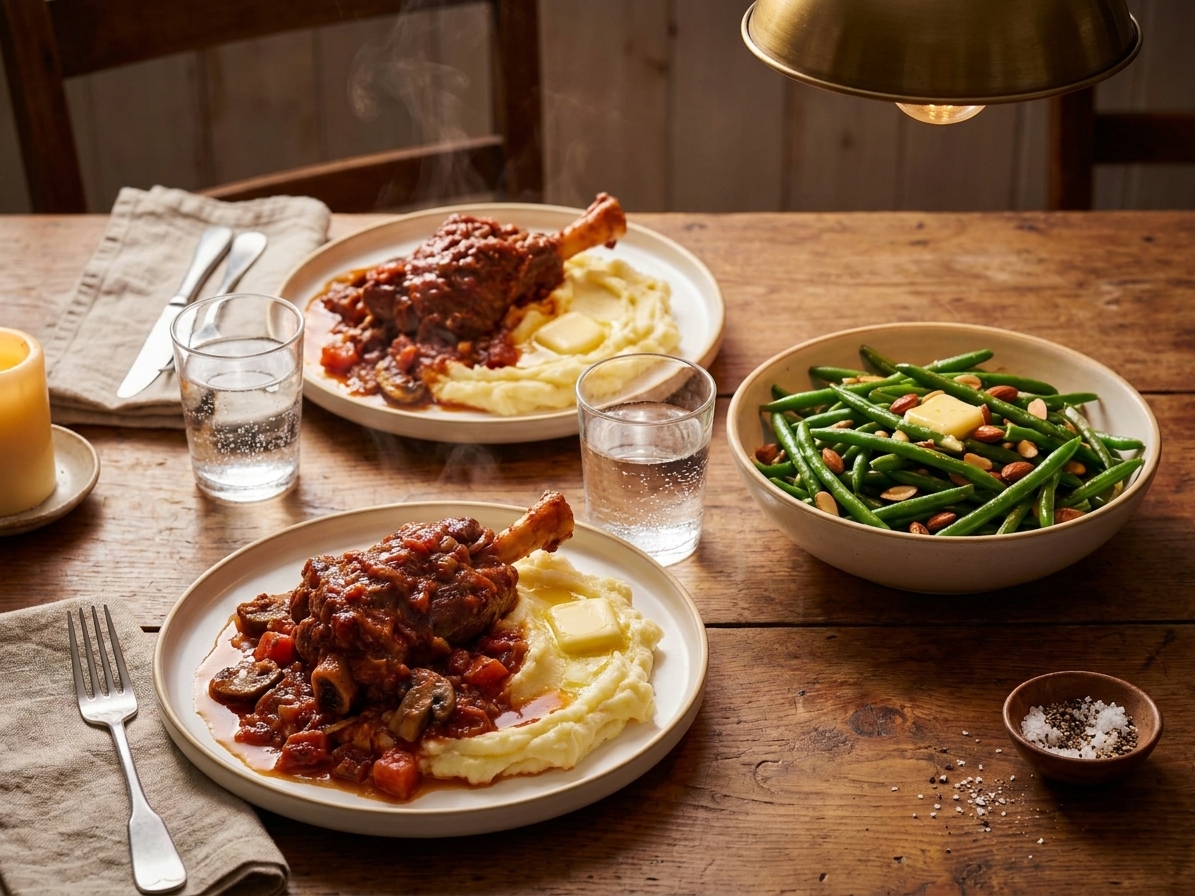
- Mashed potatoes or buttery egg noodles to soak up sauce
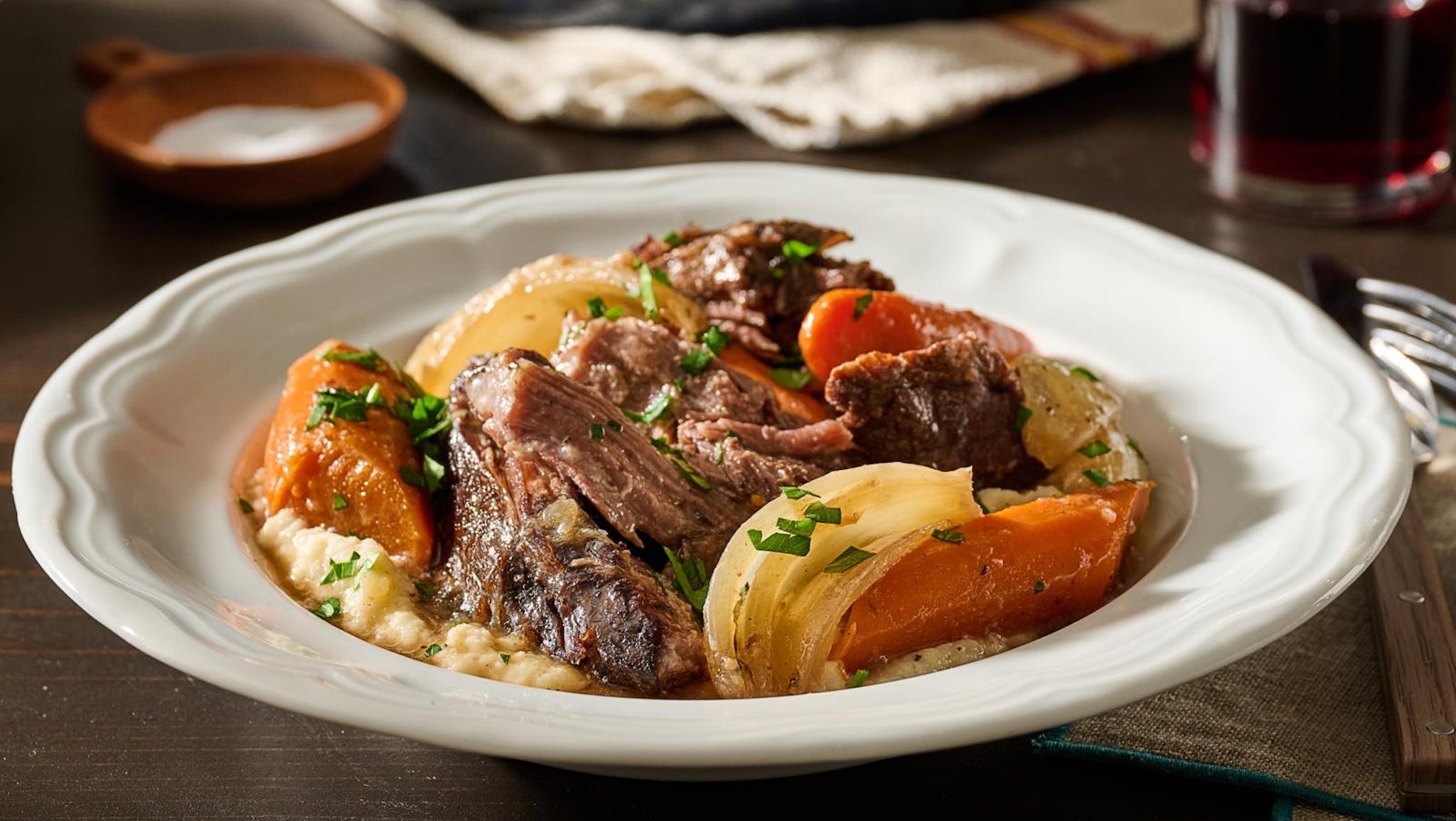
- Polenta (my “company dinner” side)
- Roasted carrots or green beans for something crisp
- Simple salad with lemony dressing to cut the richness
- Crusty bread if you want zero effort and maximum joy
Common problems
“My lamb shanks are tough and chewy.”
This almost always means they need more time. Shanks go through a stage where they are cooked but not tender yet. Keep cooking on LOW in 30 to 60 minute increments until they relax.
“The sauce is bland.”
- Salt is usually the missing piece. Add a little, stir, taste.
- Add acid at the end: lemon juice, red wine vinegar, or balsamic, 1 teaspoon at a time.
- Stir in a small spoon of tomato paste and simmer 5 minutes.
“The sauce is greasy.”
Chill the cooking liquid and skim the solidified fat, or use a fat separator. You can also blot the surface with a paper towel (quick and effective).
“There is too much liquid.”
Next time, use less up front. For today: reduce on the stove, or thicken with slurry.
“The meat fell off the bone and shredded.”
Still delicious. That just means it cooked past sliceable. Serve it over mashed potatoes or polenta like a rustic ragù.
Food safety and storage
Cooling
Let shanks and sauce cool slightly, then refrigerate within 2 hours. I store the shanks in the sauce so they stay moist.
Fridge
For best quality, plan on enjoying within 3 to 4 days in an airtight container.
Freezer
For best quality, freeze up to 3 months. Freeze in sauce, ideally in portions.
Reheating
Gently rewarm on the stovetop over medium-low with a splash of broth or water. Microwave works too, but go in short bursts so the meat stays tender.
My busy-mom timeline
- Night before: Chop onions, carrots, celery. Mix seasonings.
- Morning: Sear shanks (optional), load slow cooker, turn to LOW.
- After school or work: Reduce sauce while kids do homework or you change clothes.
- Dinner: Serve with mashed potatoes or a quick salad.
FAQ
Can I cook lamb shanks on HIGH the whole time?
Yes, but LOW gives a more tender, even result. If you must use HIGH, plan on about 4 1/2 to 5 1/2 hours and start checking tenderness early.
Should the lamb shanks be fully submerged?
No. A slow cooker braise works best when the liquid comes up partway around the shank. You are creating steam and gentle bubbling, not boiling.
Can I add potatoes to the slow cooker?
Yes. Use baby potatoes or chopped Yukon Golds. Nestle them around the shanks so they cook in the liquid. If you prefer fluffy mashed potatoes, cook those separately.
Do lamb shanks need to reach a certain internal temperature?
For safety, whole cuts of lamb are commonly considered safe at 145°F with a rest, but lamb shanks are a tenderness game, not a “medium-rare” game. They usually turn truly fall-apart only after spending plenty of time at much higher temperatures, when the collagen has fully broken down. (Ground lamb has different safety guidance.)
What if my slow cooker runs hot?
If you know your slow cooker cooks aggressively, choose LOW and start checking around 7 hours. If the edges look like they are drying, add a little more liquid and keep the lid on.